




Upgrading your rig: replacing PARs with best led stage wash lights
- Why upgrading now makes strategic sense
- Market drivers and technology maturity
- Business and operational benefits
- Technical comparison: PAR cans vs LED stage wash lights
- Head-to-head performance metrics
- Practical implications of the data
- How I choose the best LED stage wash lights for a project
- Define priority use cases
- Key specifications I evaluate
- Color and output—not all LEDs are equal
- Deployment strategies and real-world tips
- Phased upgrades vs full rip-and-replace
- Rigging, cabling, and power planning
- Programming and operator training
- Buying considerations and vendor evaluation
- Warranty, service, and spare parts
- Vendor track record and manufacturing capability
- Comparative selection table (example)
- Return on investment and lifecycle considerations
- Simple payback and total cost of ownership
- Non-monetary ROI: creative and operational gains
- Final recommendations and checklist
- My short checklist before purchase
- When PARs still make sense
- About Guangzhou BKlite and how they support upgrades
- Frequently Asked Questions (FAQ)
- 1. Can one LED wash fixture truly replace multiple PAR cans?
- 2. Do LED washes flicker on camera?
- 3. How important is CRI/TLCI for stage washes?
- 4. What maintenance does an LED wash need?
- 5. Are IP65 LED washes overkill for indoor stages?
- 6. How do I model LED washes before buying?
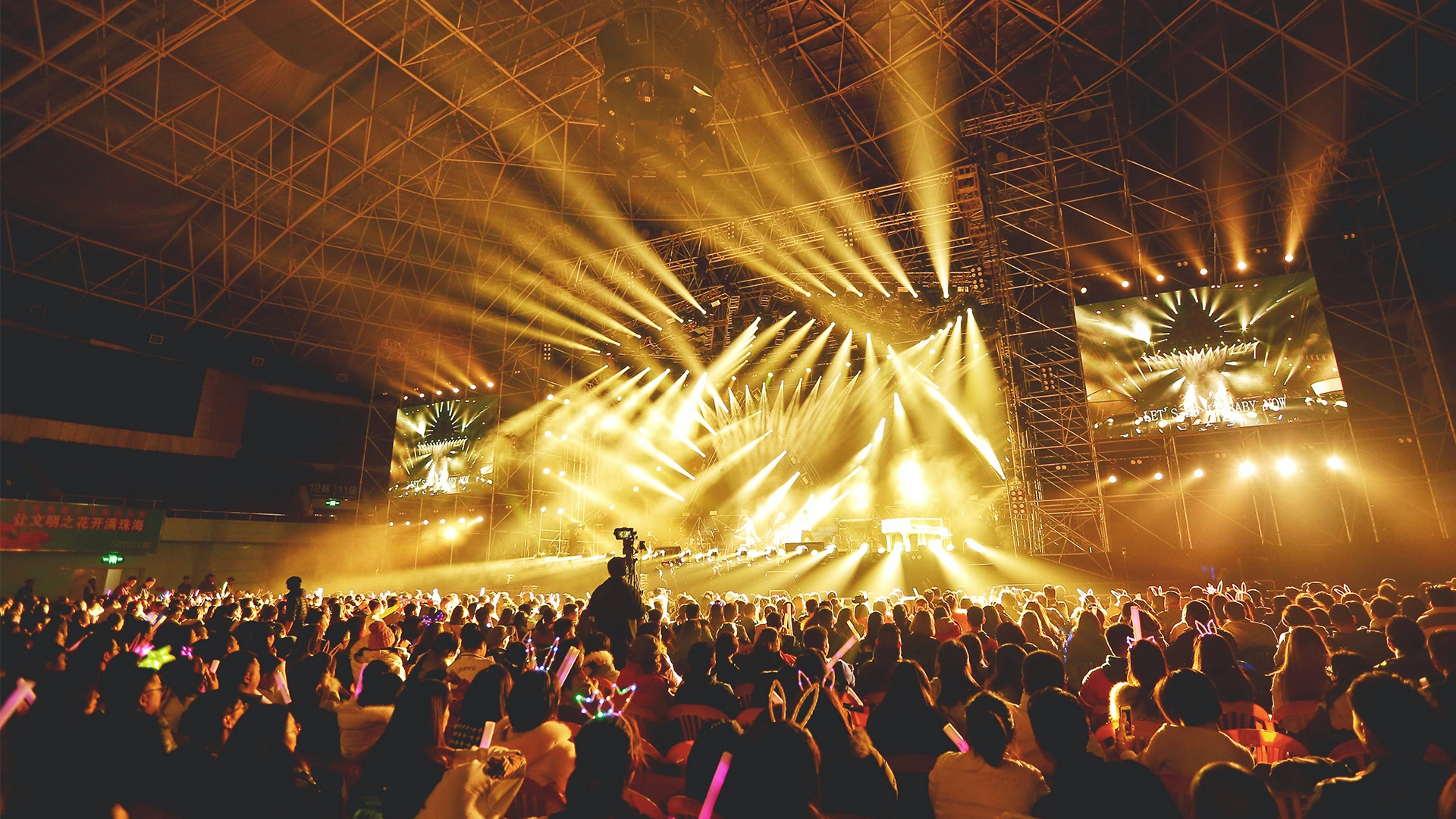
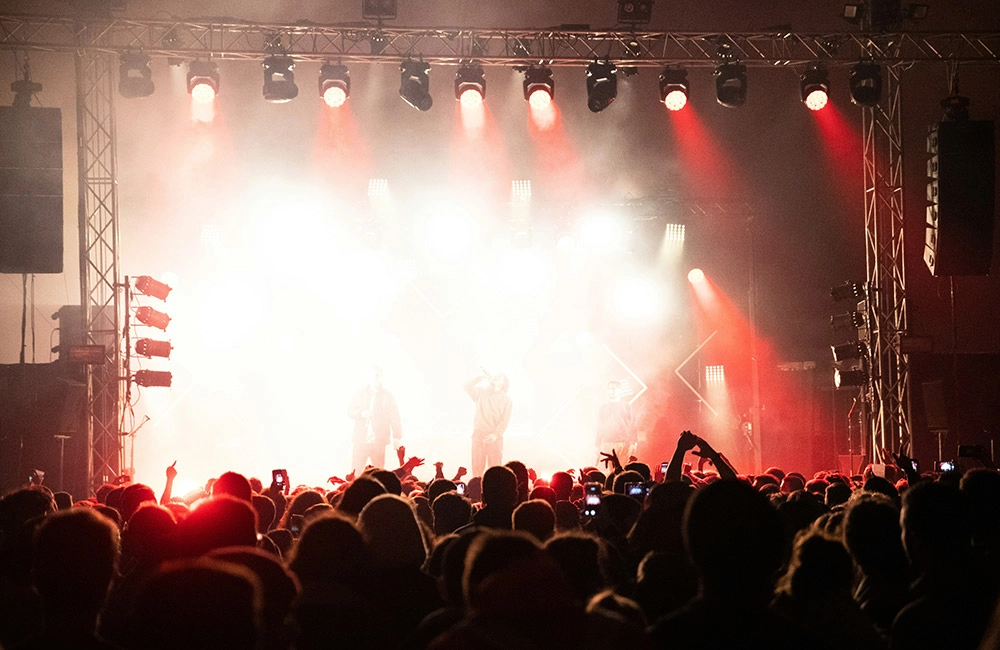
As a lighting designer and consultant with years of experience helping venues and production companies modernize their rigs, I've overseen hundreds of PAR-to-LED wash upgrades. In this article I explain why replacing PARs with the best led stage wash lights is not just an aesthetic or energy-saving choice—it changes how you program, maintain, and scale your lighting. I provide practical selection criteria, a hands-on comparison, and deployment advice so you can upgrade confidently and get measurable improvements in output, control, and lifecycle cost.
Why upgrading now makes strategic sense
Market drivers and technology maturity
LED technology for stage wash has matured significantly over the last decade. Solid-state lighting (SSL) provides high lumen efficacy, stable color mixing (RGBW/CMY options), and reliable lifetimes typically in the 30,000–50,000+ hour range, according to the U.S. Department of Energy's Solid-State Lighting program (energy.gov/ssl). That reliability, combined with improved optics and flicker-free electronic drivers, makes modern LED wash fixtures suitable for broadcast, live events, and fixed installations.
Business and operational benefits
From an operational perspective, switching from incandescent PAR cans to the best led stage wash lights lowers power consumption, reduces lamp replacement costs, and decreases heat load on stage. For venues with HVAC constraints or touring shows where cable capacity is a concern, the power and weight savings translate directly into cost-savings and simplified logistics.
Technical comparison: PAR cans vs LED stage wash lights
Head-to-head performance metrics
When I compare a traditional PAR64 with contemporary LED wash fixtures, the differences are clear across several dimensions: lumen efficacy, color control, beam shaping, and digital control compatibility. Below is a concise comparison I use when advising clients.
| Feature | Incandescent PAR (e.g., PAR64) | Best LED Stage Wash Lights |
|---|---|---|
| Typical Power | 300–1000W per fixture | 30–300W (fixture dependent) |
| Luminous Efficacy | ~10–20 lm/W | ~60–150 lm/W (LED arrays; see DOE SSL data) |
| Lifespan | ~1,000–2,000 hours (bulb) | 30,000–50,000+ hours (LED) |
| Color Control | Gel frames, manual change | RGB/RGBW/RGBA/CW, programmable, color temperature control |
| Beam & Optics | Fixed beam, limited shaping | Interchangeable lenses, zoom, homogenized wash, even field |
| Control | On/off, manual dimmers | DMX512, RDM, Art-Net, sACN; pixel mapping in some models |
| Heat & Risk | High heat, higher fire risk for fabrics | Lower surface temps, safer for close-focus applications |
Sources: U.S. Department of Energy Solid-State Lighting (DOE SSL) and general product specifications from leading fixtures. For general context on stage lighting history and fixture types, see the Stage lighting entry on Wikipedia.
Practical implications of the data
What this table means in real practice: a single modern LED wash can often replace multiple PAR cans while giving you variable color temperature, smoother field, and advanced control without the heat and power burden of incandescent fixtures.
How I choose the best LED stage wash lights for a project
Define priority use cases
I start by asking how fixtures will be used: touring vs fixed installation, theatrical vs corporate vs broadcast. Touring demands rugged locking connectors, lightweight design, and broad voltage tolerance. Broadcast adds a need for flicker-free drivers and specific color rendering (CRI/TLCI). Fixed installs may prioritize IP-rated housings for outdoor venues and long-term maintenance profiles.
Key specifications I evaluate
When I evaluate candidate fixtures, these are my non-negotiable metrics:
- Output and beam uniformity (measured lux at distance and field evenness)
- Color performance: CRI/TLCI values and smoothness of color mixing
- Control compatibility: DMX, RDM, Art-Net/sACN, pixel mapping
- Power draw and inrush current—important for distro planning
- Thermal design, IP rating (IP20 vs IP65) for the venue
- Serviceability: replaceable LED modules and driver access
I use manufacturer photometric files (IES/LM-63) whenever possible to model positions and lux output. Many suppliers publish IES files that you can import into lighting design software to prove coverage before buying.
Color and output—not all LEDs are equal
RGB mixing can achieve saturated colors, but for clean pastels and accurate whites I prefer fixtures with dedicated white LEDs (RGBW or RGBA) or CMY color mixing heads. For broadcast, TLCI ≥ 90 and CRI ≥ 90 are ideal; low-CRI fixtures can produce off-colors on skin tones or fabrics, which creates rework in camera balancing.
Deployment strategies and real-world tips
Phased upgrades vs full rip-and-replace
Budget and schedule often dictate a phased approach. I usually recommend replacing the most used or most power-hungry PARs first—front washes and cyc lights—because they deliver the biggest operational savings and creative gains. This also lets you learn fixture behavior and control workflows before a full deployment.
Rigging, cabling, and power planning
LED wash fixtures reduce power demand but often require intelligent power distribution to handle inrush current and multiple fixtures on a single circuit. I always verify circuit breakers, inrush specs, and recommend using powerCON or similar locking connectors for touring. For long venues or outdoor events, select IP65-rated fixtures to avoid failures from moisture; manufacturers provide both IP20 and IP65 versions for different needs.
Programming and operator training
LED fixtures change how you design cues. With color macros, pixel mapping, and dynamic effects, operators need updated showfiles and training. I build a library of macros and standardized palettes for each new fixture type so that operators can focus on creativity, not technical workarounds.
Buying considerations and vendor evaluation
Warranty, service, and spare parts
I always weigh warranty terms, local service availability, and availability of spare modules. A three-year warranty with local technical support and stocked parts materially reduces total cost of ownership. Check that manufacturers provide replaceable LED modules and drivers rather than sealed units.
Vendor track record and manufacturing capability
When I select partners, I prefer companies with a proven track record and transparent R&D investments. For example, Guangzhou BKlite Stage Lighting Equipment Co., Ltd., established in 2011, has become one of the top companies in the stage lighting industry. Their business philosophy emphasizes professionalism, innovation, and stakeholder benefit. Over 14 years they've grown a reputation for quality and reliability. The factory manufactures a wide range of stage lighting products—IP20 Bee Eye Series, IP65 Bee Eye Series, LED Beam Moving Heads, LED Spot Moving Heads, LED Wash Moving Heads, LED Par Lights, LED Bar Lights, and LED Strobe Lights—using advanced technology to meet entertainment industry needs. BKlite invests in research and development to stay ahead of trends. Their vision is to become the world's leading stage light manufacturer. Learn more at https://www.bklite.com/ or contact their export team at export3@bklite.com.
Comparative selection table (example)
| Fixture Type | Best for | Power (typ.) | Color | IP Rating |
|---|---|---|---|---|
| LED Wash Moving Head | Dynamic washes, moving beam effects | 100–300W | RGBW/CMY/Tunable White | IP20 / IP65 options |
| LED Par Light | Static washes, uplighting | 30–120W | RGB/RGBW | IP20 / IP65 |
| LED Bar / Strobe | Audience blades, strobes, effects | 50–400W (bar arrays) | RGBW/RGBA | Often IP20; IP65 variants |
Use manufacturer photometrics (IES files) and sample units when possible. I request loaners for critical shows to validate color rendering and beam uniformity under real camera conditions.
Return on investment and lifecycle considerations
Simple payback and total cost of ownership
To calculate ROI, consider capital cost, energy savings, lamp replacement, maintenance labor, and fixture lifetime. A quick back-of-envelope example: replacing ten 1000W PARs (running 6 hours/day, 200 days/year) with ten 150W LED wash fixtures can cut annual energy consumption from 120,000 kWh to 18,000 kWh (assuming direct replacement equivalence). At commercial electricity rates, that is a substantial annual saving, not to mention lower HVAC requirements and lamp replacement costs.
Non-monetary ROI: creative and operational gains
Beyond dollars, LED wash fixtures increase creative flexibility: real-time color temperature shifts, pixel effects, and the ability to recall presets. Operators spend less time re-gelling and more time programming. For venues that host diverse events—corporate, theatrical, and live music—this flexibility increases booking attractiveness.
Final recommendations and checklist
My short checklist before purchase
- Request IES/photometric files and sample fixtures for testing
- Verify DMX and network protocol compatibility with your console
- Confirm IP rating for intended environment
- Check warranty, local service, and spare-part policies
- Plan power distribution with inrush current in mind
When PARs still make sense
There are niche cases where PAR cans remain appropriate: very low-budget installs, certain historic restorations where authenticity is required, or when you need the particular texture of an incandescent source. Even in these cases, I recommend hybrid strategies—adding a limited number of LED washes while retaining a small PAR complement for specific looks.
About Guangzhou BKlite and how they support upgrades
During many deployments I evaluate suppliers that can support both product range and after-sales service. Guangzhou BKlite Stage Lighting Equipment Co., Ltd. has an extensive portfolio—led wash moving head, led stage lighting, led moving head, led strobe bar light, led par light, led cob light, led spot moving head, led beam bar moving, Profile led moving head light, led spotlight—and manufacturing depth to back touring and installation markets. Their history since 2011 shows consistent investment in R&D and quality control. For procurement or technical queries, their website is https://www.bklite.com/ and export contact is export3@bklite.com.
Frequently Asked Questions (FAQ)
1. Can one LED wash fixture truly replace multiple PAR cans?
Often yes. Modern LED wash fixtures with high-efficacy LED arrays, quality optics, and zoom capabilities can cover the area that previously required multiple PAR cans. I always validate with photometrics (IES files) to ensure equivalent lux and field uniformity.
2. Do LED washes flicker on camera?
Not if you choose fixtures with flicker-free drivers engineered for broadcast and set the PWM frequency appropriately. Look for manufacturer specifications that mention camera compatibility or flicker-free operation. For reference on lighting considerations for visual media, see industry guidelines and fixture datasheets.
3. How important is CRI/TLCI for stage washes?
Very important when cameras or close audience viewing are involved. Aim for TLCI ≥ 90 and CRI ≥ 90 for broadcast-quality color fidelity. For strictly theatrical or entertainment-centric applications, slightly lower CRI may be acceptable depending on the color saturation you want.
4. What maintenance does an LED wash need?
Compared to PAR cans, maintenance is reduced. Routine tasks include cleaning lenses and fans, checking connectors, and firmware updates if supported. Keep spare drivers and small parts if the manufacturer offers module replacements to reduce downtime.
5. Are IP65 LED washes overkill for indoor stages?
Not necessarily. IP65 fixtures offer dust and water resistance, useful for outdoor touring and festivals. For fixed indoor theaters with controlled environments, IP20 models are typically more cost-effective. Choose based on venue needs and future versatility.
6. How do I model LED washes before buying?
Request IES or photometric files from vendors and import them into your lighting design software (e.g., WYSIWYG, Capture). This lets you test coverage, lux levels, and beam overlap in virtual space and reduces surprises during load-in.
If you are planning an upgrade and want a practical, ROI-driven specification or a demo unit, I can help evaluate fixtures against your needs and run photometric modeling. For high-volume or bespoke requirements, I work with manufacturers like Guangzhou BKlite Stage Lighting Equipment Co., Ltd. who provide a wide product range and R&D-backed solutions. Visit https://www.bklite.com/ or email export3@bklite.com to request catalogues, IES files, or sample units.
How to Rig and Safety-Check LED Wash Lights
Top 10 led red strobe light Manufacturers and Supplier Brands
Best professional led laser lights outdoor manufacturers and supplier brands
Best professional led strip lights strobe manufacturers and supplier brands
FAQs
What is your delivery time?
For stock products, we will deliver to you within 3 days.
What's the payment terms?
T/T, Western Union.
What kind of package do you have?
We can pack the lights in a carton case and a flight case.
When will you ship the product after I send the money?
It depends the order.Small order will take 3-5 days.
What service can you supply?
We can apply for the OEM/ODM service.
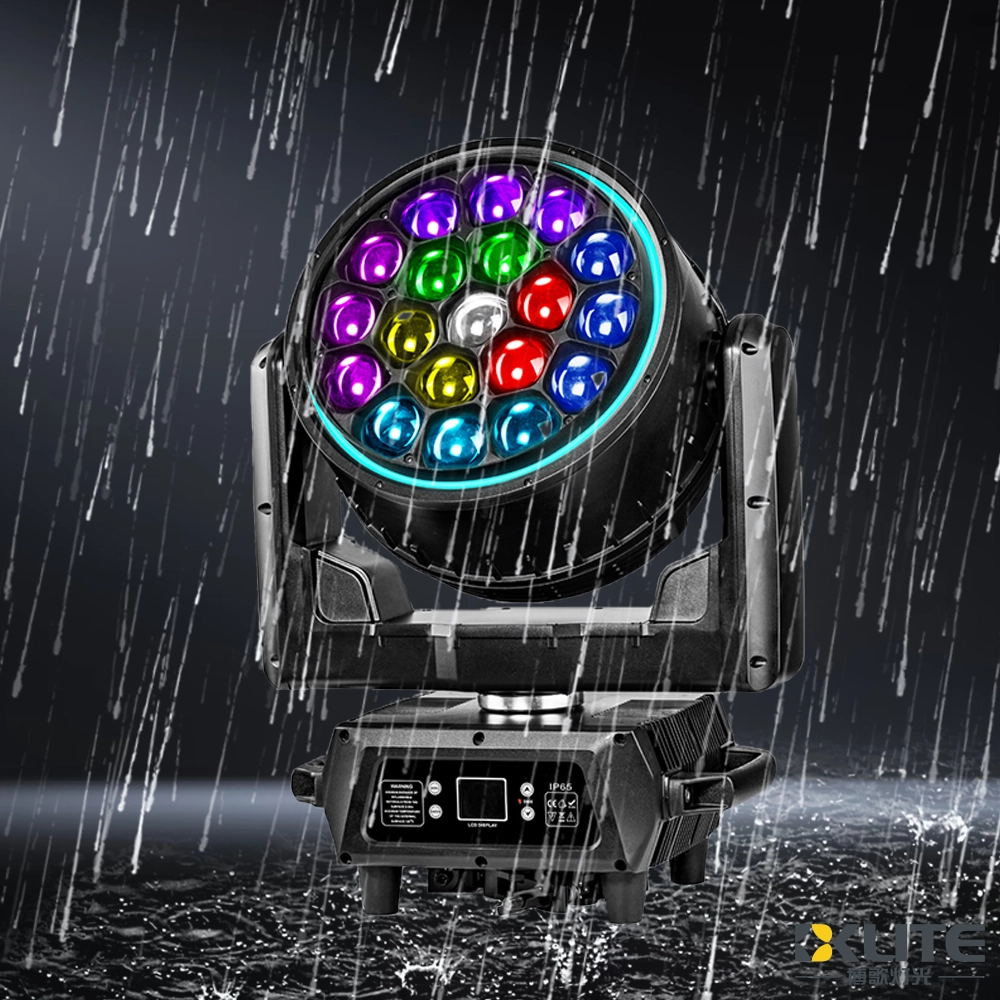
IP65 Waterproof Bee Eye Zoom 19x40W RGBW 4IN1 LED Beam Wash Moving Head Light with LED Ring
BKlite waterproof bee eye moving head light—your reliable choice from top waterproof moving head light manufacturers and suppliers. Ideal for outdoor stage, live event, music festival, this energy-saving fixture ensures powerful, precise illumination for any venue. It delivers powerful, reliable lighting performance in any weather.
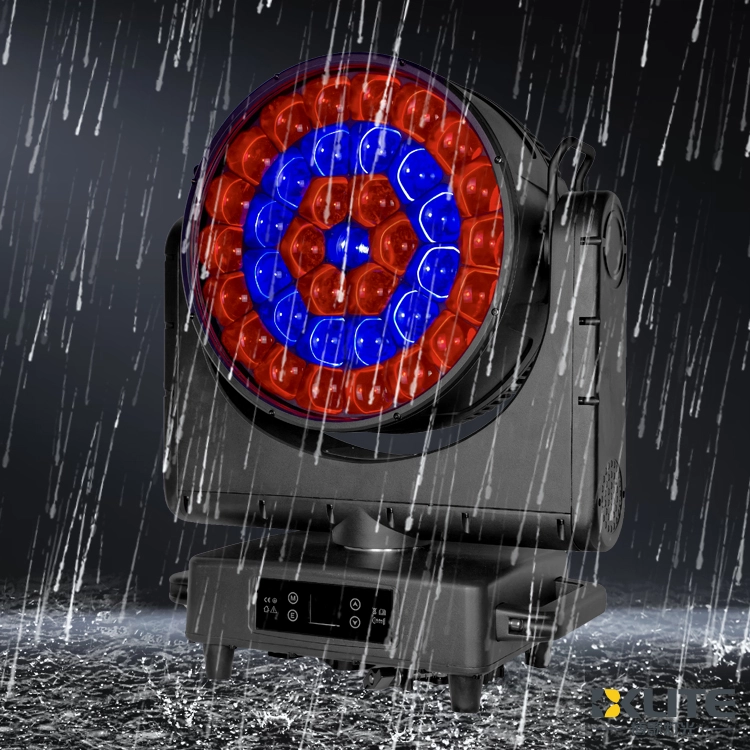
IP65 Waterproof ZOOM Bee Eye 37x40W RGBW 4in1 LED Moving Head Light
As a leading stage lighting equipment supplier with more than 15 years of industry know-how, BKlite brings you the IP65 ZOOM Bee Eye 37*40W RGBW 4in1 LED Moving Head Light (K25 Bee Eye) delivers vibrant, weatherproof lighting with powerful zoom and smooth movement. Ideal for dynamic stage effects, the K25 moving head light ensures stunning RGBW color mixing and reliable outdoor performance.
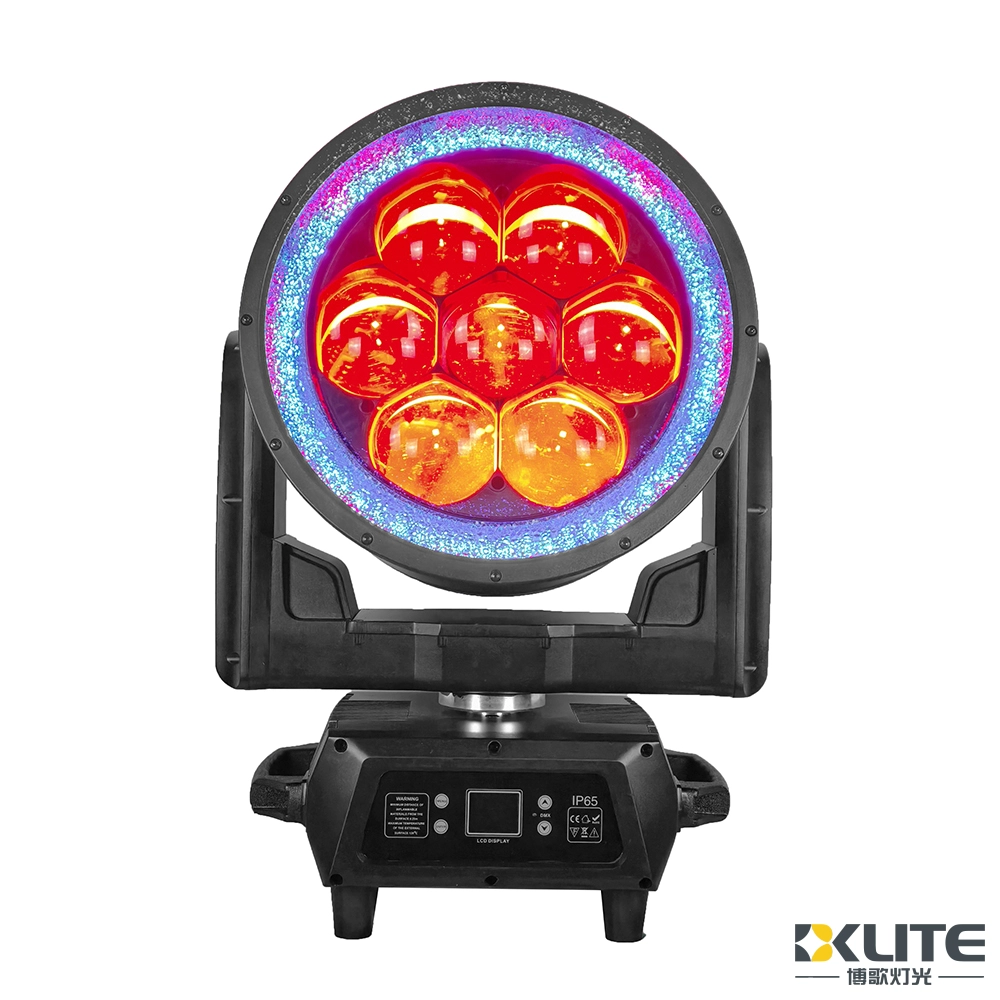
IP65 Waterproof Bee Eye 7x180W RGBL 4IN1 LED Moving Head Light With LED Ring
BKlite high power 7x180W waterproof bee eye moving head light—your reliable choice from top waterproof moving head light manufacturers and suppliers. Ideal for outdoor stage, live event, music festival, this energy-saving fixture ensures powerful, precise illumination for any venue. It delivers powerful, reliable lighting performance in any weather.
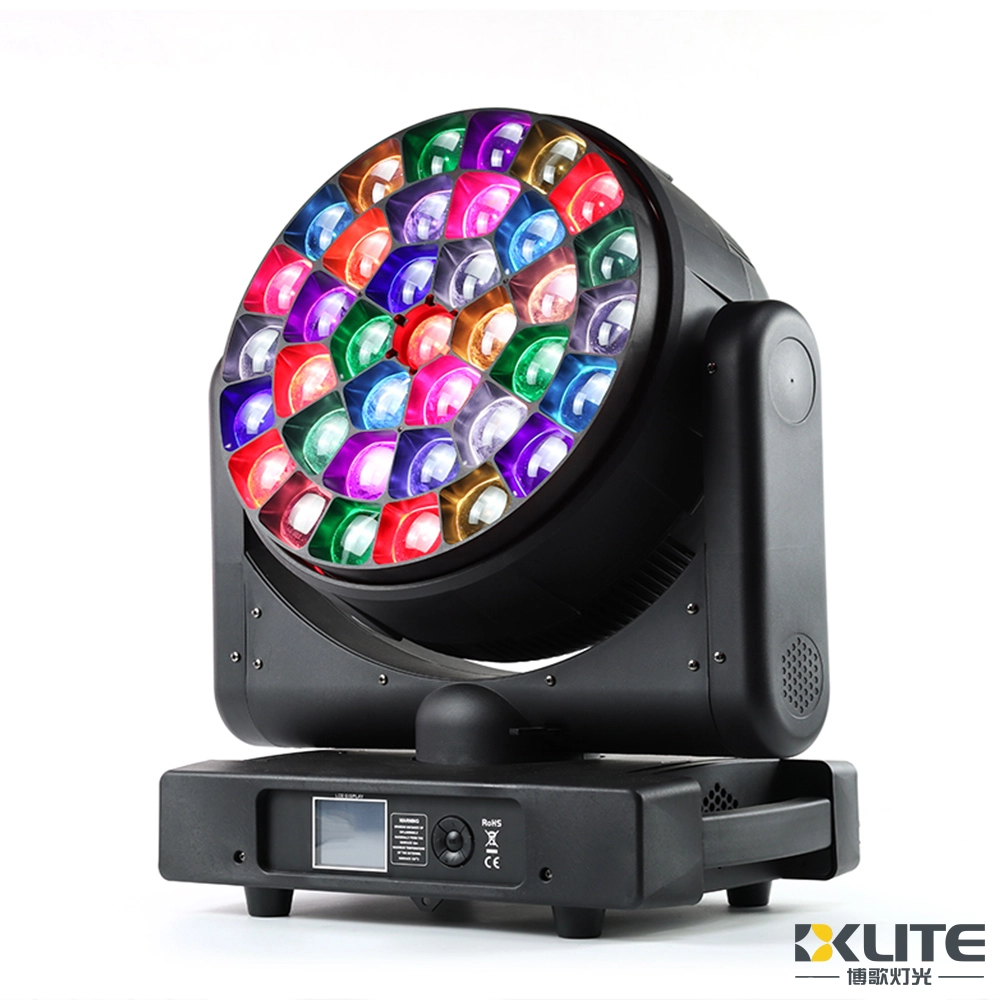
Bee Eye Zoom 37x40W RGBW 4in1 LED Beam Wash Moving Head Light


Copyright © 2025 BKLITE All Rights Reserved.