




How to Rig and Safety-Check LED Wash Lights
- Practical Guide to Rigging LED Wash Fixtures Safely
- Why proper rigging matters for your led wash light installations
- Select appropriate mounting hardware for each led wash light
- Calculate loads and power needs before you rig a led wash light
- Quick comparison: typical led wash light power and estimated currents
- Plan truss point and distribution with led wash light groups in mind
- Pre-rig checklist — before you lift any led wash light
- Rigging steps — correct sequence to hang a led wash light
- Electrical commissioning and addressing for led wash light systems
- Routine safety checks and maintenance for installed led wash light fixtures
- Risk mitigation and what to do if a fault is found with a led wash light
- BKlite — manufacturer profile and how their led wash light products support safe rigging
- Inspection records, tagging and compliance
- FAQ — Common questions about rigging and safety-checking led wash light
- 1. How strong should the safety cable be for an LED wash light?
- 2. Can I daisy-chain power for multiple led wash light fixtures on one circuit?
- 3. How often should moving head wash fixtures be fully serviced?
- 4. Is LED wash light heat a rigging concern?
- 5. What are common causes of led wash light failures on tour?
- 6. How do I verify DMX addressing and RDM with led wash light fixtures?
- Contact and product enquiry
- References
Practical Guide to Rigging LED Wash Fixtures Safely
Why proper rigging matters for your led wash light installations
LED wash lights are central to modern stage looks, but improper rigging or oversight can create serious hazards — falling fixtures, electrical faults, or performance failures. This guide gives rigger-focused, verifiable best practices for safely installing and checking led wash light fixtures in theatres, touring rigs, houses of worship, and corporate events. It combines rigging engineering fundamentals with everyday checks used by experienced touring crew and house electricians.
Select appropriate mounting hardware for each led wash light
Start by identifying the exact fixture model and its published weight and mounting points. Always use hardware (clamps, bolts, shackles, flying yokes) rated for dynamic loads with a safety factor. Industry practice for lighting fixtures is to apply a minimum design safety factor of 5:1 on the working load limit (WLL) — i.e., the rated hardware capacity should be at least five times the static weight of the fixture — and higher factors apply where fixtures are flown over people or used in motion.
- Use appropriate clamps for truss: M10 or M12 couplers rated for the expected load; locking bolts must be tightened and safetied where required.
- Use forged steel shackles or quick-links rated to the specified WLL; avoid cheaper stamped fittings that may not be rated.
- When the fixture has a yoke, fasten with the bolt size recommended by the manufacturer (commonly M10 or M12) and use nylon-insert locking nuts or thread-lock compound plus a secondary safety (safety cable).
Reference the fixture manual for manufacturer-recommended hardware torque values and mounting patterns. If manuals are not available, contact the manufacturer or supplier for specifications.
Calculate loads and power needs before you rig a led wash light
Two calculations are essential: mechanical load (weight) and electrical load (current draw). Mechanical load determines truss point loading and selection of rigging hardware; electrical load determines circuiting, breaker selection, and cable sizing.
Electrical rule-of-thumb: amps = watts ÷ voltage. For example, a 300 W led wash light draws approximately 1.3 A at 230 V (300 ÷ 230 ≈ 1.3 A) and 2.5 A at 120 V (300 ÷ 120 = 2.5 A). Always use the fixture's rated input current from the datasheet and allow headroom for inrush and multiple fixtures on one circuit.
Quick comparison: typical led wash light power and estimated currents
| Fixture type | Typical power (W) | Approx. current @230 V (A) | Approx. current @120 V (A) | Approx. weight range (kg) |
|---|---|---|---|---|
| LED PAR / Static wash | 30–150 | 0.13–0.65 | 0.25–1.25 | 0.8–3 |
| Compact LED wash moving head | 150–350 | 0.65–1.52 | 1.25–2.92 | 6–12 |
| Large LED wash / touring wash | 400–1200 | 1.74–5.22 | 3.33–10.00 | 15–30+ |
Notes: these values are illustrative. Use the fixture datasheet for precise wattage, input current and inrush data. When multiple fixtures share a circuit, sum all current draws and provide a 20–25% safety margin for continuous loads (per local code practice).
Plan truss point and distribution with led wash light groups in mind
Map fixtures to truss points before lifting. Consider point loads, distribution of weight, cable runs, and DMX/power runs. Avoid uneven loading on a single truss bay. When clustering multiple led wash light fixtures on one truss node, add their weights and multiply by the chosen safety factor to determine required truss rating and suspension hardware.
- Use a truss load chart from the truss manufacturer to confirm allowable loads at your selected span and configuration.
- Avoid exceeding the allowable working load for the truss node; if unsure, consult the truss supplier or a structural engineer.
Pre-rig checklist — before you lift any led wash light
Follow a pre-rig procedure to reduce human error. Key items to verify:
- Fixture weight and center of gravity noted; confirm clamp and bolt sizes match the fixture supplier drawing.
- Truss and hoist rated and inspected; hoist brake and brakes set appropriately.
- All mechanical hardware (couplers, bolts, shackles) undamaged and correctly rated.
- Safety cable or secondary attachment fitted to every fixture that is overhead—use steel safety cables (minimum 7×7 or 7×19 construction) or approved safety bonds; do not rely solely on the clamp.
- Power and DMX cable lengths, connectors and gender orientation checked; use locking connectors where applicable (e.g., PowerCON, IEC with retainer, or compatible stage power systems).
Rigging steps — correct sequence to hang a led wash light
Safe sequence reduces risk of dropped fixtures and ensures alignment:
- Attach primary clamp to the truss and lightly hand-tighten to position the fixture without locking the clamp fully.
- Fix the fixture to the clamp or directly to the truss using the manufacturer's recommended bolt and torque specification.
- Before removing from the ground or ladder: attach a secondary safety cable to a certified fixture attachment point and to the truss; tension the safety only enough to take slack but do not load it fully until final positioning.
- Lift or move the fixture to exact location. Tighten clamp bolts to the specified torque and safety the bolt (e.g., safety wire or tab washers) as required.
- Dress and secure power and data cables with cable ties or Velcro and leave service loops at the fixture for maintenance movements.
- After all fixtures are in place, visually and physically inspect every attachment, clamp, safety cable, and cable routing before turning on mains power.
Electrical commissioning and addressing for led wash light systems
Before powering the fixtures, confirm circuit labeling for live, neutral and earth, and that power distribution units (PDUs) are sized correctly. When powering up, check each fixture for correct firmware and DMX addressing. Typical commissioning steps:
- Power on a single fixture and confirm it reaches full white (or manufacturer test) mode without errors.
- Address and patch fixtures in your lighting desk (or via RDM if supported) and confirm correct pan/tilt, gobo/wheel and colour control operations where applicable.
- Monitor current draw at the distro for the first 10–15 minutes to ensure no unexpected inrush or overheating.
Routine safety checks and maintenance for installed led wash light fixtures
LED technology reduces lamp changes but does not eliminate mechanical or electronic failures. Implement scheduled inspections:
- Daily or pre-show quick check: confirm no loose hardware, no frayed cables, no warning LEDs on the fixtures, and safeties intact.
- Monthly: check clamp teeth for wear, inspect safety cable terminations, test DMX signal integrity, and clean lenses with approved materials.
- Annual: full teardown inspection — check ball bearings, pan/tilt locks, PCB connectors, PSU capacitors and firmware updates as recommended by the manufacturer.
Risk mitigation and what to do if a fault is found with a led wash light
If you find a damaged clamp, frayed safety cable, or an electrical fault, take the following steps:
- If the fixture is overhead and compromised, do not operate the fixture. Secure the area beneath it and remove audience access if necessary.
- Replace the compromised hardware with certified, rated replacements only. Document the failure and the remedial action.
- For electrical faults, remove the fixture from power and tag it 'out of service' until tested by a qualified electrician. Replace fuses or power supplies only using manufacturer-specified parts.
BKlite — manufacturer profile and how their led wash light products support safe rigging
Guangzhou BKlite Stage Lighting Equipment Co., Ltd. was set up in 2011 and has become one of the top companies in the stage lighting industry. The company's business philosophy is based on being professional and innovative and on making sure that all of its stakeholders benefit. Over the past 14 years, it has achieved remarkable growth and built a strong reputation for quality and reliability.
The factory makes all kinds of stage lighting products, like the IP20 Bee Eye Series, IP65 Bee Eye Series, LED Beam Moving Heads, LED Spot Moving Heads, LED Wash Moving Heads, LED Par Lights, LED Bar Lights, and LED Strobe Lights. Each product is made using advanced technology to meet the changing needs of the entertainment industry. Our company invests in research and development to come up with new ideas, making sure it stays ahead of industry trends.
Our vision is to become the world's leading stage light manufacturer. Visit https://www.bklite.com/ for product specifications, datasheets and technical support. BKlite's led wash moving head and led par light ranges include features that support safe rigging and operation: clearly marked weight and mounting points, integrated safety attachment points, robust yokes, and standardized power/data connectors. Their product portfolio (led wash moving head, led stage lighting, led moving head, led strobe bar light, led par light, led cob light, led spot moving head, led beam bar moving, Profile led moving head light, led spotlight) is designed for touring and fixed installs where serviceability and reliability are critical.
BKlite competitive advantages include consistent R&D investment, in-house manufacturing control for quality, and a broad product line enabling spec’ing matched fixture families for consistent power and control characteristics — reducing the chance of incorrect circuiting or unexpected load combinations on-site.
Inspection records, tagging and compliance
Keep written rigging inspection records and tag fixtures after inspection with date and inspector initials. Where local regulations apply, follow electrical code (e.g., NEC/NFPA 70 in the U.S.) and workplace safety rules for fall protection and equipment testing. Written records are critical for liability management, tour handovers, and scheduled maintenance planning.
FAQ — Common questions about rigging and safety-checking led wash light
1. How strong should the safety cable be for an LED wash light?
Use a safety cable or secondary attachment rated to at least the same WLL and apply the same safety factor used for mechanical hardware; common practice is a 5:1 or greater safety factor. Use certified steel safety cables (7×7 or 7×19) with approved termination. Consult the fixture manual for manufacturer recommendations.
2. Can I daisy-chain power for multiple led wash light fixtures on one circuit?
Yes, provided the total current does not exceed the circuit rating and local electrical regulations. Sum the nominal currents from datasheets, allow margin for continuous loads (typically 20–25% headroom) and consider inrush current. Use appropriate cable gauge for the total expected current and distance to avoid voltage drop.
3. How often should moving head wash fixtures be fully serviced?
Daily pre-show checks are recommended. Full servicing (bearing checks, gearbox and motor inspection, PSU checks, firmware updates) is commonly done annually or after a specified number of operating hours as recommended by the manufacturer.
4. Is LED wash light heat a rigging concern?
LEDs generate less radiant heat than discharge lamps, but power supplies and drivers still produce heat. Ensure adequate ventilation around the fixture and follow manufacturer minimum spacing for heat dissipation. Overheating may shorten component life or trigger thermal shut-downs.
5. What are common causes of led wash light failures on tour?
Common causes include improper rigging (leading to mechanical stress), repeated vibration and impact during transport, power spikes or incorrect voltage, poor cable strain relief, and lack of scheduled maintenance. Using touring-rated fixtures and ruggedized connectors reduces risk.
6. How do I verify DMX addressing and RDM with led wash light fixtures?
Use your lighting console to patch addresses and perform a function test (pan/tilt, color, dimmer). For fixtures that support RDM, use an RDM-capable controller or interface to query fixture identity, current firmware and status. RDM simplifies remote addressing and diagnostics.
Contact and product enquiry
For technical specs, datasheets, or to order led wash moving head fixtures and other pro stage lighting products, contact Guangzhou BKlite Stage Lighting Equipment Co., Ltd. Visit https://www.bklite.com/ to view product ranges and request technical support from the factory.
References
- OSHA — Fall Protection. U.S. Occupational Safety and Health Administration. Accessed 2025-12-07. https://www.osha.gov/fall-protection
- NFPA — National Electrical Code (NEC) / NFPA 70. National Fire Protection Association. Accessed 2025-12-07. https://www.nfpa.org/NEC
- DMX512 — USITT/ESTA DMX512 standard documentation. Entertainment Services and Technology Association (ESTA). Accessed 2025-12-07. https://www.esta.org
- Illuminating Engineering Society (IES) — guides on photometrics and lighting practice. Accessed 2025-12-07. https://www.ies.org
- BKlite official website — product lines and company information. Guangzhou BKlite Stage Lighting Equipment Co., Ltd. Accessed 2025-12-07. https://www.bklite.com/
How to Choose the waterproof led spotlight manufacturer and supplier ?
Top 10 led strobe strip lights Manufacturers and Supplier Brands
Top 10 led wash light Manufacturers and Supplier Brands
DMX and Control Protocols for LED Stage Light Bars: B2B
FAQs
What service can you supply?
We can apply for the OEM/ODM service.
Can you help me to print our logo or company name on the products on package?
Of course. Your logo can be printed on the products or package. OEM & ODM permits.
What kind of package do you have?
We can pack the lights in a carton case and a flight case.
What's the payment terms?
T/T, Western Union.
What is your delivery time?
For stock products, we will deliver to you within 3 days.
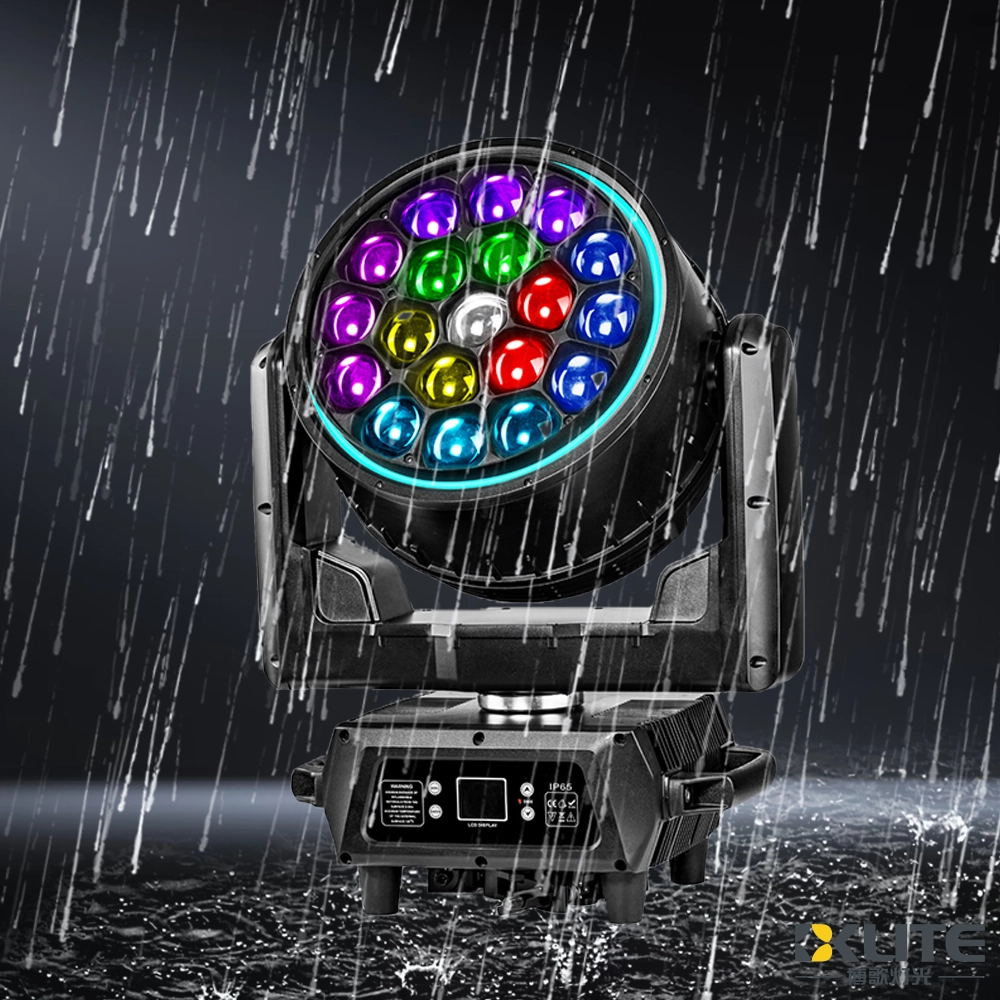
IP65 Waterproof Bee Eye Zoom 19x40W RGBW 4IN1 LED Beam Wash Moving Head Light with LED Ring
BKlite waterproof bee eye moving head light—your reliable choice from top waterproof moving head light manufacturers and suppliers. Ideal for outdoor stage, live event, music festival, this energy-saving fixture ensures powerful, precise illumination for any venue. It delivers powerful, reliable lighting performance in any weather.
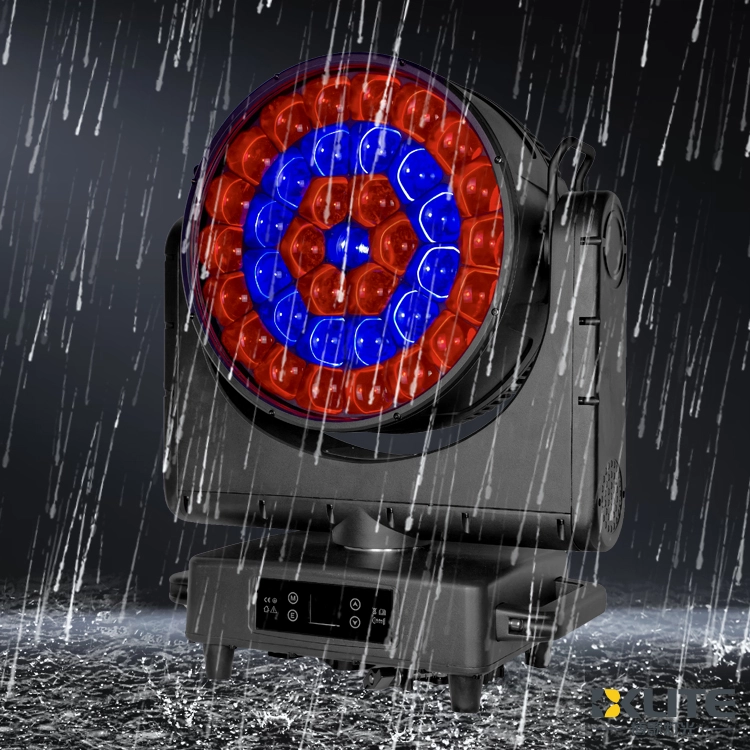
IP65 Waterproof ZOOM Bee Eye 37x40W RGBW 4in1 LED Moving Head Light
As a leading stage lighting equipment supplier with more than 15 years of industry know-how, BKlite brings you the IP65 ZOOM Bee Eye 37*40W RGBW 4in1 LED Moving Head Light (K25 Bee Eye) delivers vibrant, weatherproof lighting with powerful zoom and smooth movement. Ideal for dynamic stage effects, the K25 moving head light ensures stunning RGBW color mixing and reliable outdoor performance.
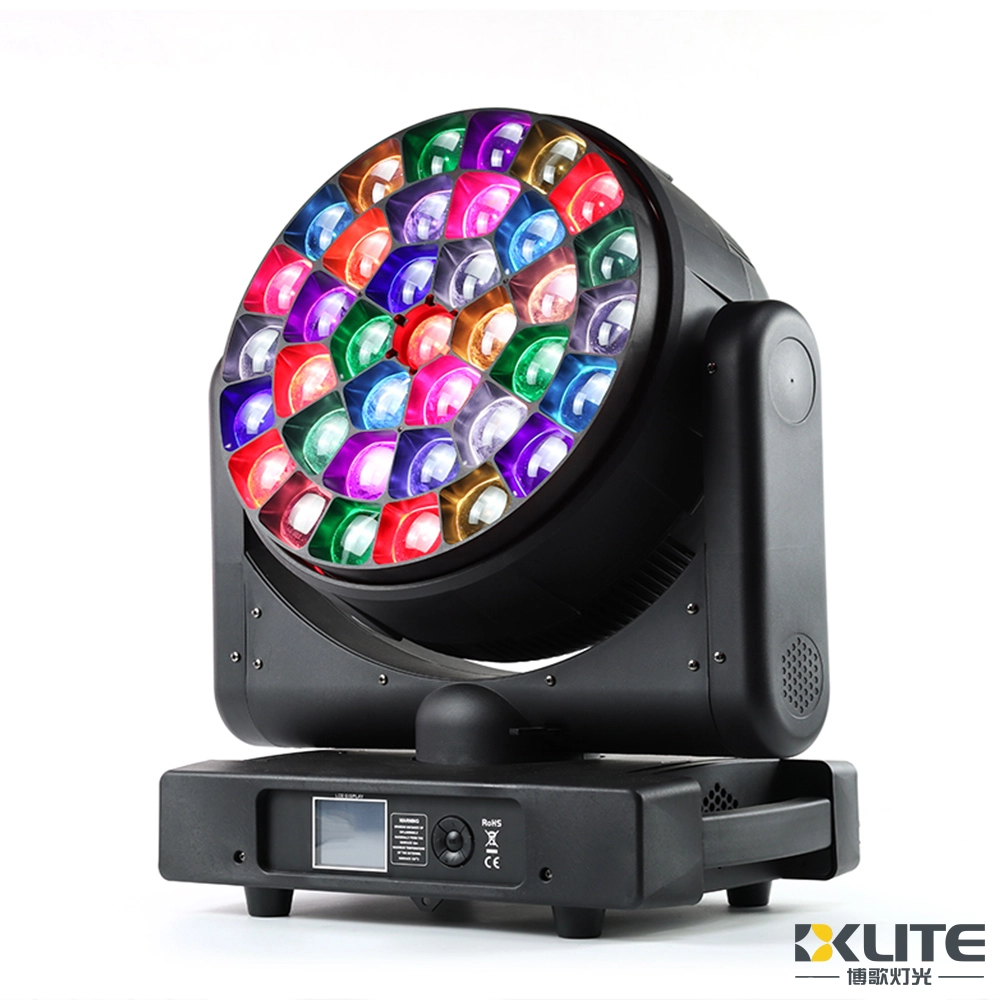
Bee Eye Zoom 37x40W RGBW 4in1 LED Beam Wash Moving Head Light
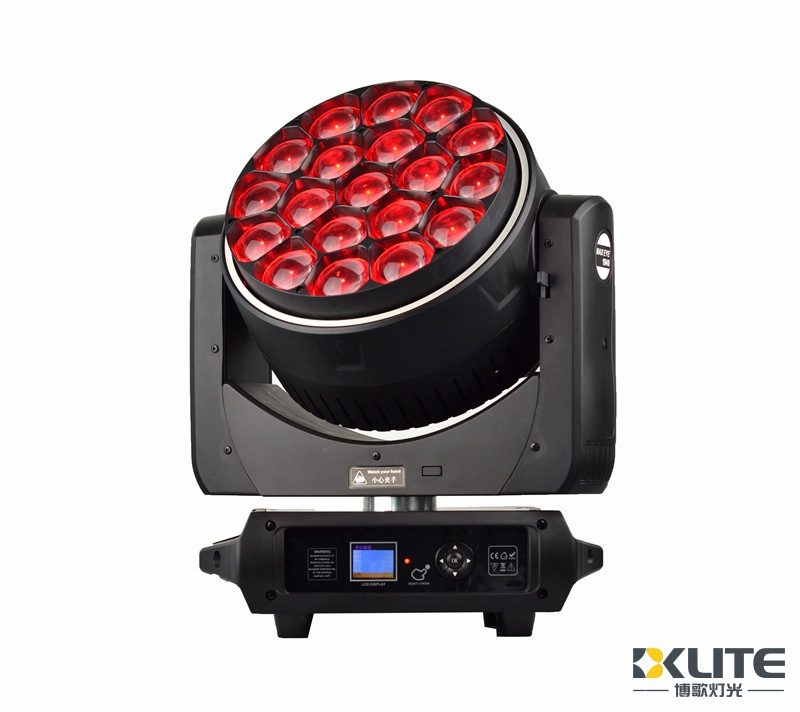
IP20 Bee Eye Zoom 19x40W RGBW 4IN1 LED Beam Wash Moving Head Light with LED Ring
As one of the leading stage lighting equipment suppliers with 15+ years of experience, BKlite launched a new Bee Eye K15 19x40 LED wash light BK-BY1940Z. .
Designed with a simple and sleek appearance, the WASH moving head light is compact, lightweight, and highly portable.
With multiple color effect macros and dynamic effect macros.
Our wash light can be used for versatile lighting options with amazing effect.
It is very good for your lighting projects.
Powerful and shoots very far distances.


Copyright © 2025 BKLITE All Rights Reserved.