




The Ultimate Guide to LED Par Can Stage Lights: 2026 Professional Edition
- Quick Summary: Key Takeaways for 2026 Stage Lighting
- What is an LED Par Can Stage Light and why is it the industry standard?
- The Shift from Halogen to LED
- Technical Architecture: Decoding SMD vs. COB Technology
- Why COB is Superior for Stage
- Choosing the Right Fixture: Venue-Based Selection Logic
- Venue-Specific Recommendations
- The 2026 Smart Revolution: AI-Assisted Lighting & Automation
- AI and Predictive Maintenance
- Green Lighting Regulations
- Expert Tips and Common Rigging Mistakes to Avoid
- Critical Mistakes & Solutions
- Conclusion
- Frequently Asked Questions (FAQ)
- How many LED par cans do I need for a 20ft stage?
- What is the difference between RGBW and RGBAW+UV?
- Do I need a DMX controller for LED par cans?
- How long do LED stage lights actually last?
- Can I use LED par cans outdoors in the rain?
- What beam angle is best for a stage wash?
- Why do my LED lights flicker on camera?
- Are LED par cans brighter than traditional Par 64s?
Quick Summary: Key Takeaways for 2026 Stage Lighting
- COB Dominance: The industry is aggressively transitioning from SMD to COB (Chip on Board) technology to achieve shadow-free color mixing and higher lumen density.
- Wireless Control: The shift toward wireless DMX (WDMX) is becoming the primary standard for rapid event deployment, minimizing cabling hazards.
- Green Compliance: Sustainability benchmarks for 2026 are forcing venues to adopt high-efficiency fixtures to meet stricter power regulations.
- Broadcast Ready: High-PWM frequencies are now non-negotiable to prevent camera flicker in 4K/8K live streaming environments.
What is an LED Par Can Stage Light and why is it the industry standard?
An LED Par Can is a modern stage fixture using Light Emitting Diodes to create high-intensity, directional light washes inside a parabolic-shaped "can" housing. Unlike traditional tungsten lamps, these fixtures provide instant color changes, low heat emission, and massive energy savings.
The Shift from Halogen to LED
For decades, the Par 64 halogen was the workhorse of the industry. However, led par can stage lights have usurped this position due to efficiency and versatility. According to data from Stage Electrics, LEDs consume up to 80% less power than tungsten lights while virtually eliminating the risk of performers getting burned by hot lamps.
Modern variants, such as the RGBAW+UV configurations manufactured by Guangzhou BKlite Stage Lighting Equipment Co., Ltd., offer a nearly infinite color spectrum. This capability allows lighting designers to move from a deep theatrical blue to a high-energy concert strobe without changing a single gel filter. This versatility makes them essential for everything from subtle theatrical washes to aggressive festival beam effects.
Technical Architecture: Decoding SMD vs. COB Technology
COB (Chip on Board) technology mounts multiple LED chips directly onto a substrate to form a single module, creating a seamless, high-density light source. This differs from older Surface Mounted Diode (SMD) arrays, which often result in "pixelated" light and multi-shadow artifacts.
Why COB is Superior for Stage
The distinction between COB LED stage lighting and SMD is critical for professional applications.
- Shadow Management: SMD fixtures often cast multiple colored shadows (RGB separation) when an object blocks the beam. COB fixtures function as a single point source, mimicking the organic behavior of traditional halogen optics.
- Lumen Output: Recent reports indicate that COB technology achieves superior power utilization, delivering 20-30% higher brightness than standard SMD arrays at the same wattage.
- Thermal Management: Heat is the enemy of LED longevity. High-quality fixtures, like those produced at the BKlite factory since 2011, utilize advanced heat sinks to dissipate thermal energy efficiently. This ensures the diode maintains its brightness over thousands of hours of operation.
Choosing the Right Fixture: Venue-Based Selection Logic
Selecting the correct fixture requires analyzing the specific throw distance, ambient light levels, and environmental exposure of your venue. One size does not fit all in professional lighting design.
Venue-Specific Recommendations
-
Small Clubs & Mobile DJs:
- Priority: Portability and "Sound-to-Light" automation.
- Recommendation: Look for compact fixtures with built-in battery options to reduce setup time.
-
Theaters & Broadcast Studios:
- Priority: Color Rendering Index for stage (CRI) and silent operation.
- Recommendation: Fixtures with a CRI of 90+ are mandatory for accurate skin tone reproduction in 4K broadcasts. Fanless cooling is also critical here to avoid interfering with audio recording.
-
Outdoor Festivals:
- Priority: Weather resistance.
- Recommendation: You must utilize IP65 waterproof par cans. At BKlite, the IP65 Bee Eye Series is designed specifically to withstand rain and dust, ensuring the show goes on regardless of the weather. Standard IP20 fixtures will fail rapidly in these conditions.
-
Corporate Events:
- Priority: Aesthetics and clean rigging.
- Recommendation: Wireless control is king here. Sleek fixtures with battery power remove unsightly cable runs, maintaining the professional look of a corporate ballroom.
The 2026 Smart Revolution: AI-Assisted Lighting & Automation
The "Smart Revolution" in lighting refers to the integration of AI algorithms and IoT sensors to automate complex focus and color adjustments in real-time. This technology is moving from experimental to essential for high-end productions.
AI and Predictive Maintenance
Industry analysis for 2025-2026 suggests a surge in AI-driven lighting controllers. These systems can track performer movement and automatically adjust stage wash lighting design to keep the subject perfectly illuminated. Furthermore, smart sensors are now embedded in premium fixtures to monitor diode health. This predictive maintenance alerts technicians to potential failures before they happen, a feature that BKlite’s R&D team monitors closely to stay ahead of industry trends.
Green Lighting Regulations
Sustainability is no longer optional. With energy regulations tightening globally, low-efficiency entry-level LEDs are being phased out. Data from Market Research Future indicates that the adoption of advanced LED technology can enhance energy savings by up to 50% compared to legacy systems, a crucial metric for venues aiming for green certification.
Expert Tips and Common Rigging Mistakes to Avoid
Safety and signal integrity are the two most critical aspects of rigging; neglecting either can lead to equipment failure or dangerous accidents.
Critical Mistakes & Solutions
- Mistake: Overloading Power Circuits. Daisy-chaining too many fixtures on a single PowerCon line is a fire hazard.
- Tip: Always calculate the Total Load (Amps) of your fixtures and keep it 20% below the breaker's limit.
- Mistake: Ignoring PWM Frequency. Low Pulse Width Modulation (PWM) causes flickering or "banding" on camera sensors.
- Tip: Ensure your DMX512 protocol integration allows you to adjust the PWM frequency. For 2026 standards, a frequency above 1200 Hz is recommended for HD video compatibility.
- Mistake: Neglecting Safety Cables. Even though LED par cans are lighter than old steel cans, gravity still applies.
- Safety Tip: Always utilize secondary safety cables rated for 10x the weight of the fixture. This is a non-negotiable safety standard for professional riggers.

Conclusion
As we move into 2026, the stage lighting landscape is defined by the convergence of high-output COB technology, wireless freedom, and intelligent automation. Whether you are upgrading a church sanctuary or designing a massive festival rig, prioritizing factors like CRI, IP ratings, and thermal management will ensure your investment lasts. With over 14 years of experience, companies like BKlite continue to drive these innovations, ensuring that lighting professionals have the reliable tools they need to create unforgettable visual experiences.
Frequently Asked Questions (FAQ)
How many LED par cans do I need for a 20ft stage?
Generally, 4 to 6 fixtures are required for a basic front wash. For full coverage, including backlighting and side fills, 8 to 12 fixtures are recommended to eliminate dark spots.
What is the difference between RGBW and RGBAW+UV?
RGBW adds a dedicated white chip for cleaner pastels and brightness. RGBAW+UV adds Amber for warmer tones and Ultraviolet for "blacklight" effects and fluorescent pop, offering a significantly wider color gamut.
Do I need a DMX controller for LED par cans?
While many have "Auto" or "Sound Active" modes, a DMX controller is necessary for synchronized shows. Wireless DMX is now becoming the standard for faster setup and reduced cabling clutter.
How long do LED stage lights actually last?
Most are rated for 50,000 hours of use. In practical terms, this equals over 15 years of standard 8-hour daily operation, provided they are kept free of dust and overheating.
Can I use LED par cans outdoors in the rain?
Only if they are rated IP65 or higher. Standard indoor par cans (usually IP20) will short-circuit if exposed to moisture, leading to permanent damage.
What beam angle is best for a stage wash?
A wide beam angle (25° to 45°) is ideal for general washes to cover large areas. Narrow angles (10° to 15°) are better for spotting specific performers or creating sharp "beam" effects.
Why do my LED lights flicker on camera?
This is caused by a low PWM (Pulse Width Modulation) frequency interacting with the camera's shutter speed. Professional 2026-standard lights offer high-frequency flicker-free operation suitable for 4K video.
Are LED par cans brighter than traditional Par 64s?
Modern 200W-300W COB LEDs can match or exceed the output of a 1000W halogen Par 64. Furthermore, LEDs maintain their brightness more consistently over time compared to fading halogen lamps.

IP66 672pcsx0.5w rgb 112pcsx3w cool white led strobe bar light with seethonic power plug, electric frost & clamps
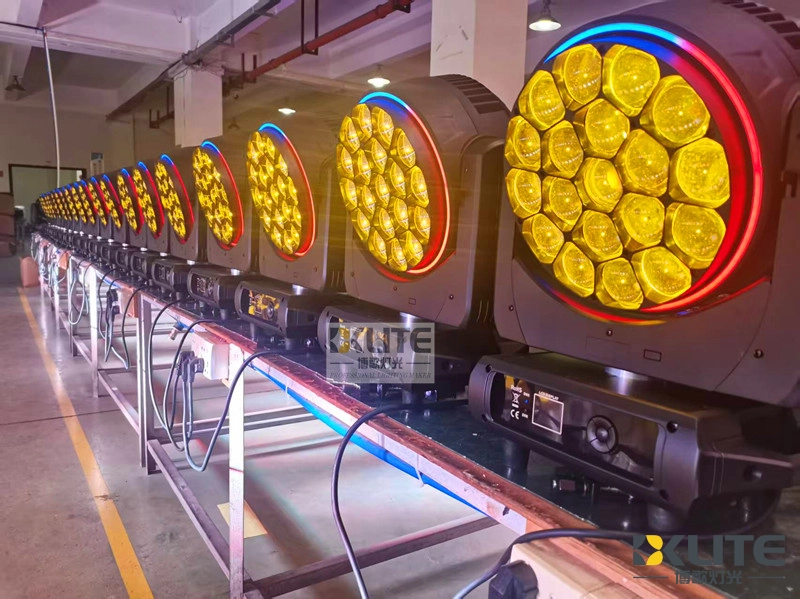
BKlite Zoom Bee Eye K15 19x40w rgbw 4in1 Led Beam Wash Moving Head Light with LED Ring
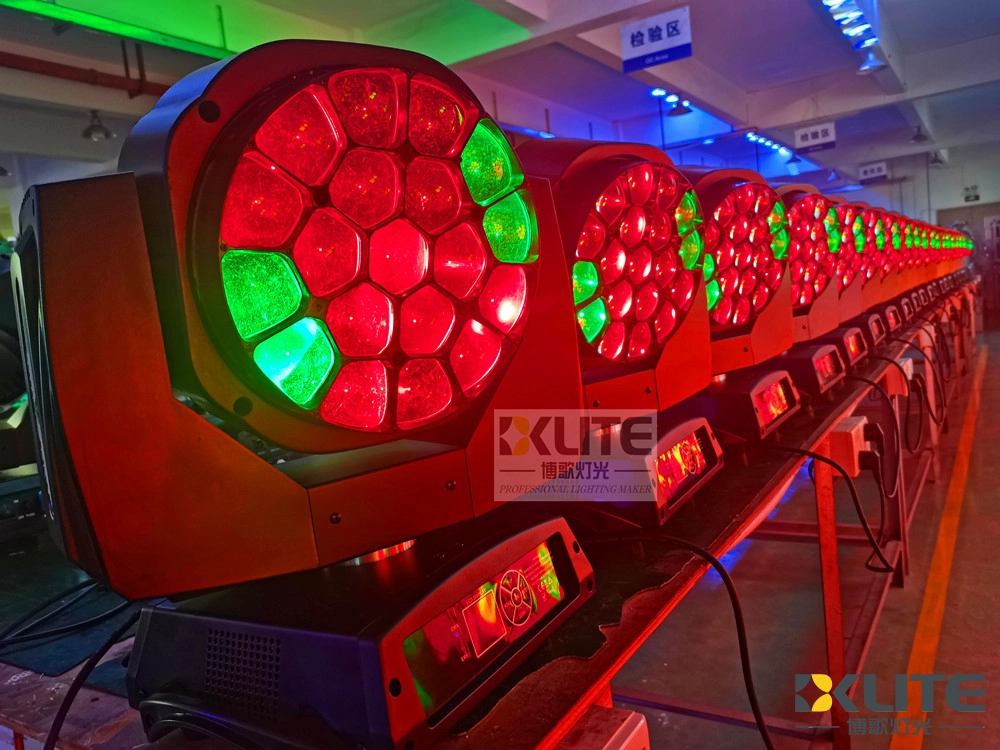
Bee eye k10 ZOOM 19x15w rgbw 4in1 led beam wash moving head light
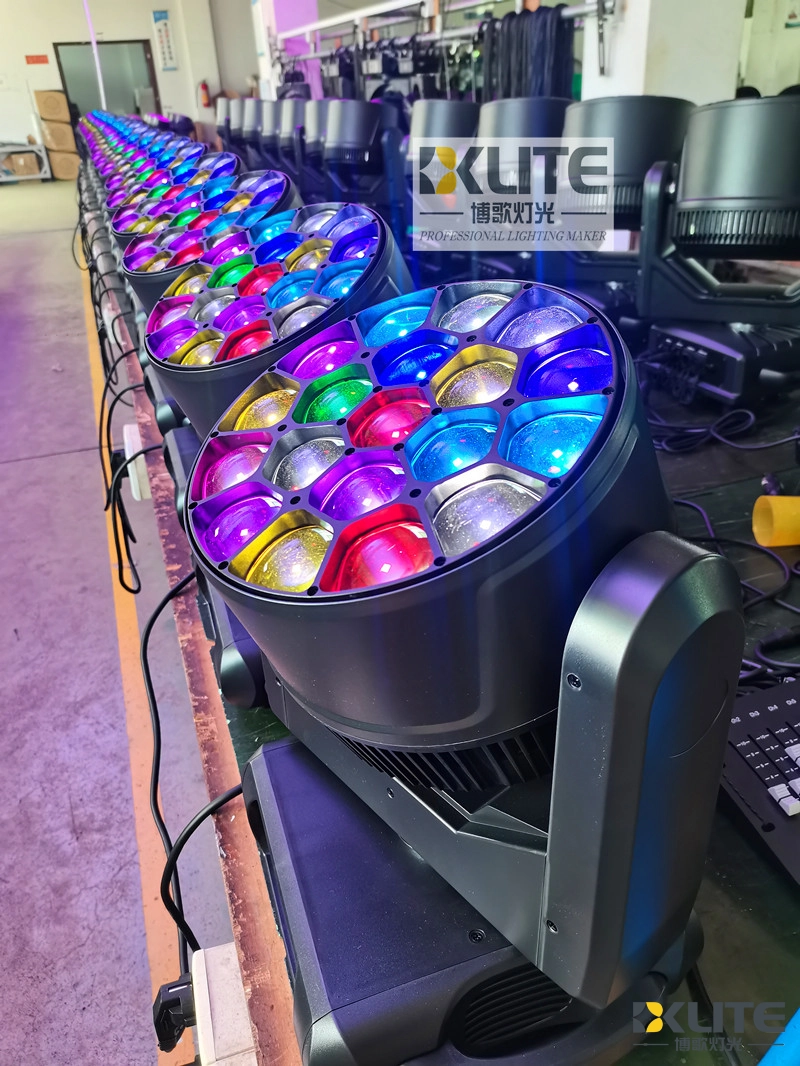
Bee Eye K10 LED Moving Head Light – 19×15W RGBW Zoom Fixture for Professional Stage Lighting
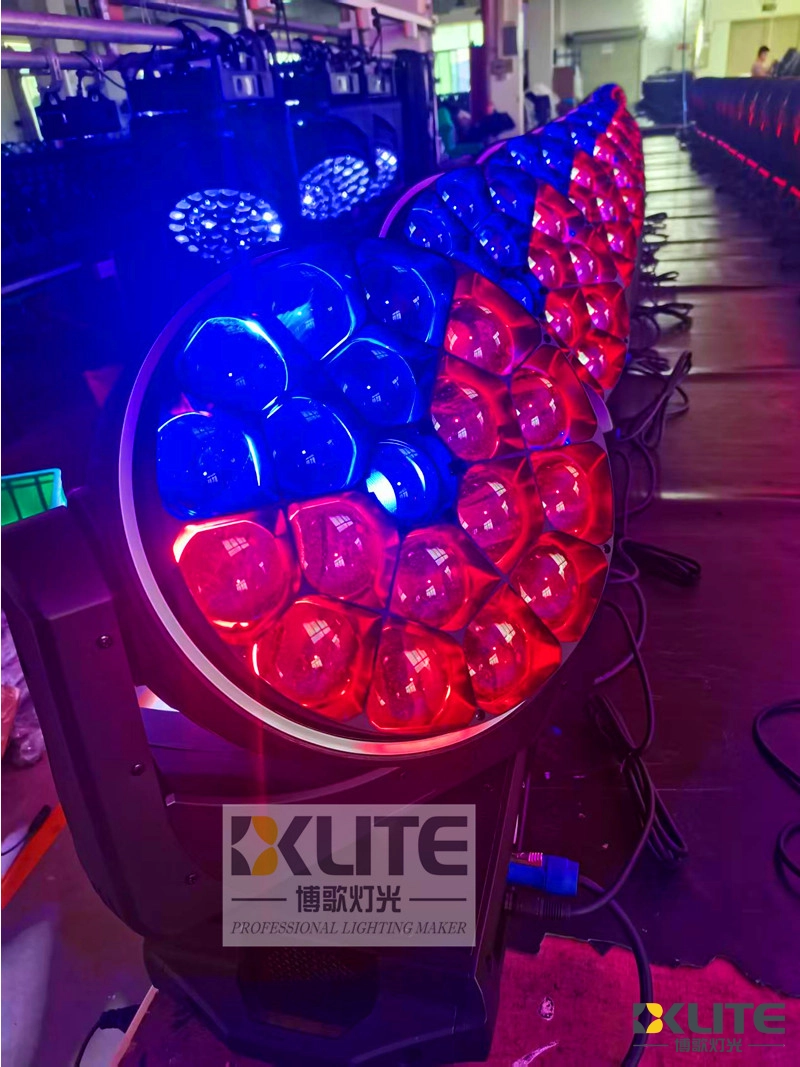
The All-in-One Solution for Modern Stage Lighting - IP20 Bee Eye 19×40W RGBW LED Moving Head Light
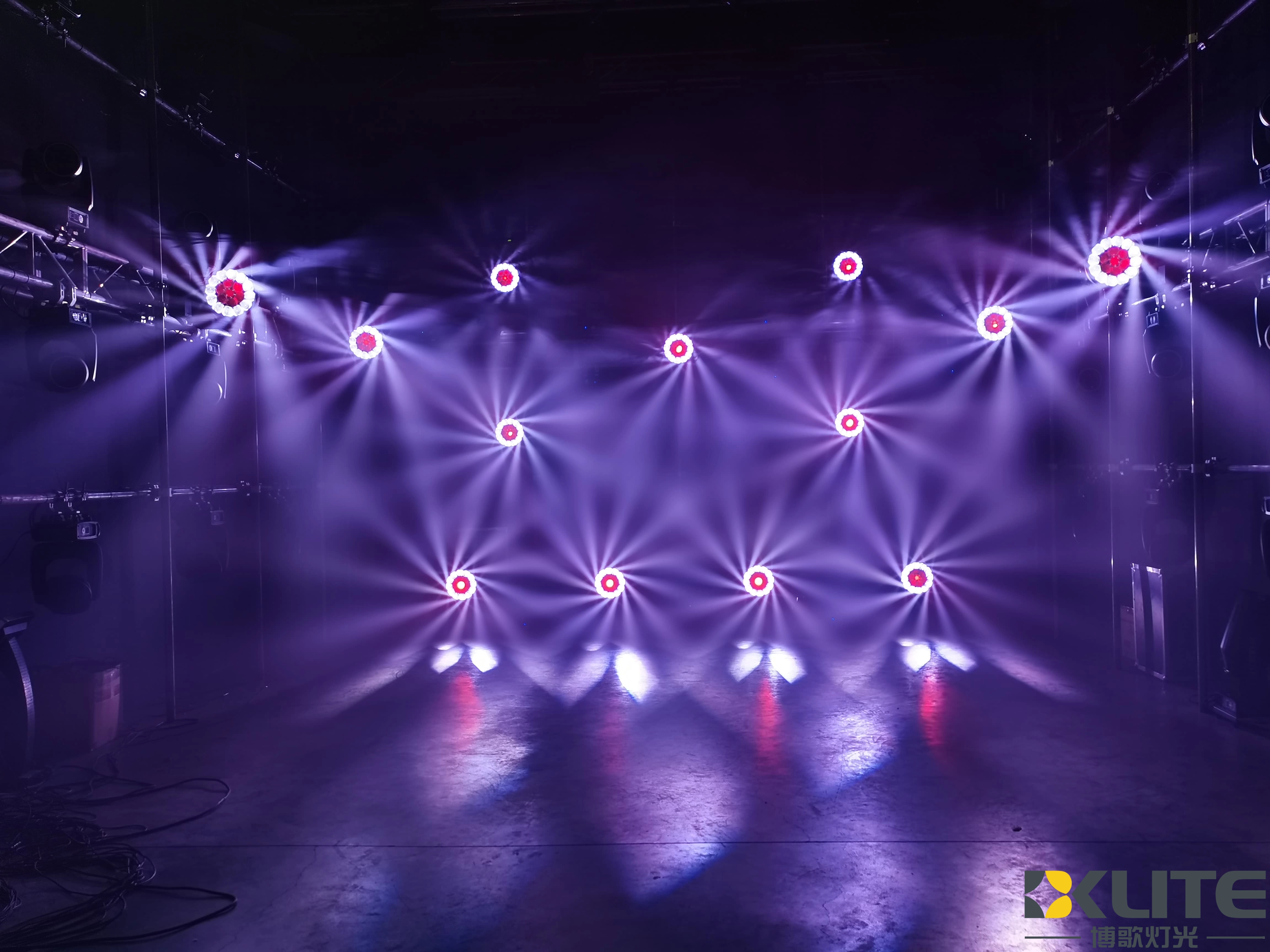
What Makes LED Lights So Special?
FAQs
What's the shipping way, shipping time?
The ways of shipping—you can choose which is suitable for you. (1). By Sea, 30-60 days; apply for bulk quantity.
(2). By Air, 5-7 days; apply for bulk quantity.
(3). By Express, 3-5 days; apply for small quantity and urgent order.
Can you help me to print our logo or company name on the products on package?
Of course. Your logo can be printed on the products or package. OEM & ODM permits.
What's the payment terms?
T/T, Western Union.
How about the warranty?
All our lights have a one-year warranty.
How can i order?
Please send us your purchase list by e-mail, WhatsApp, QQ, or making a call, and you can also ask us to send you a PI for your approval. We need to know the following information for your order.
What's your certificates?
ROHS and CE certificates passed.
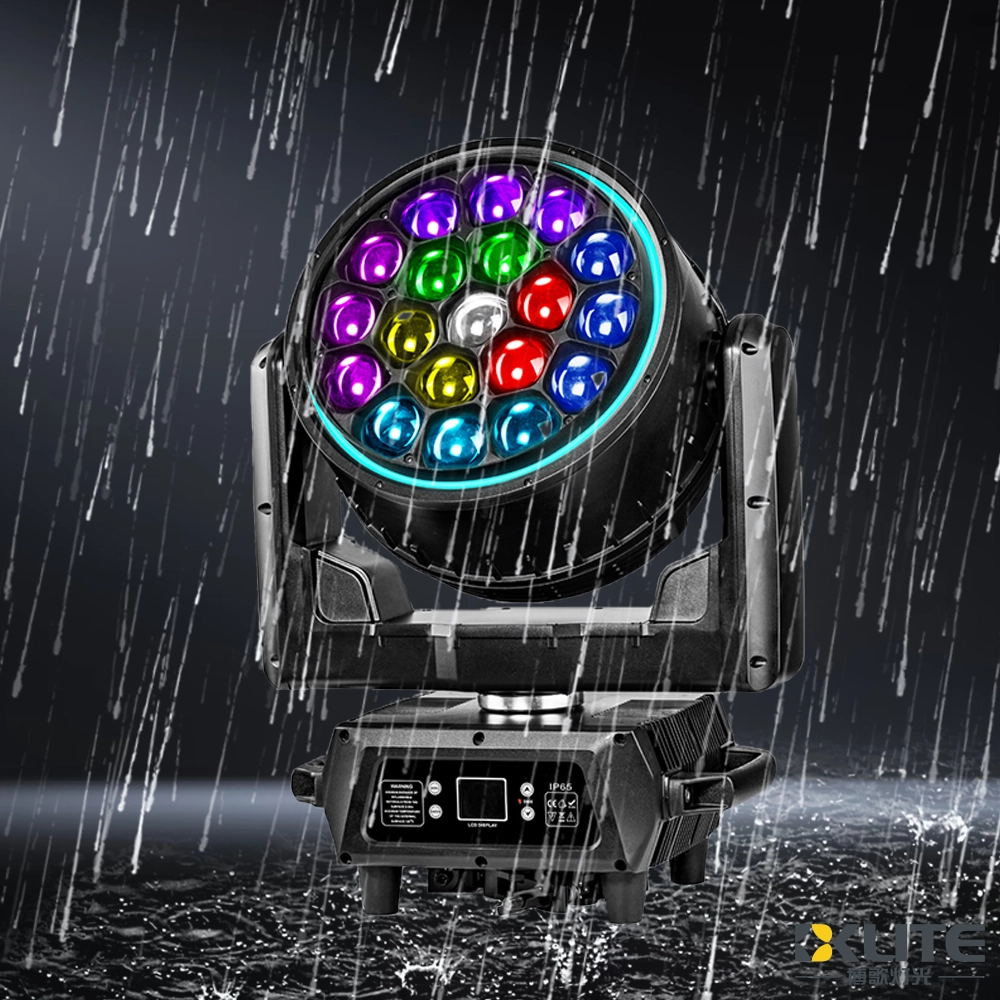
IP65 Waterproof Bee Eye Zoom 19x40W RGBW 4IN1 LED Beam Wash Moving Head Light with LED Ring
BKlite waterproof bee eye moving head light—your reliable choice from top waterproof moving head light manufacturers and suppliers. Ideal for outdoor stage, live event, music festival, this energy-saving fixture ensures powerful, precise illumination for any venue. It delivers powerful, reliable lighting performance in any weather.
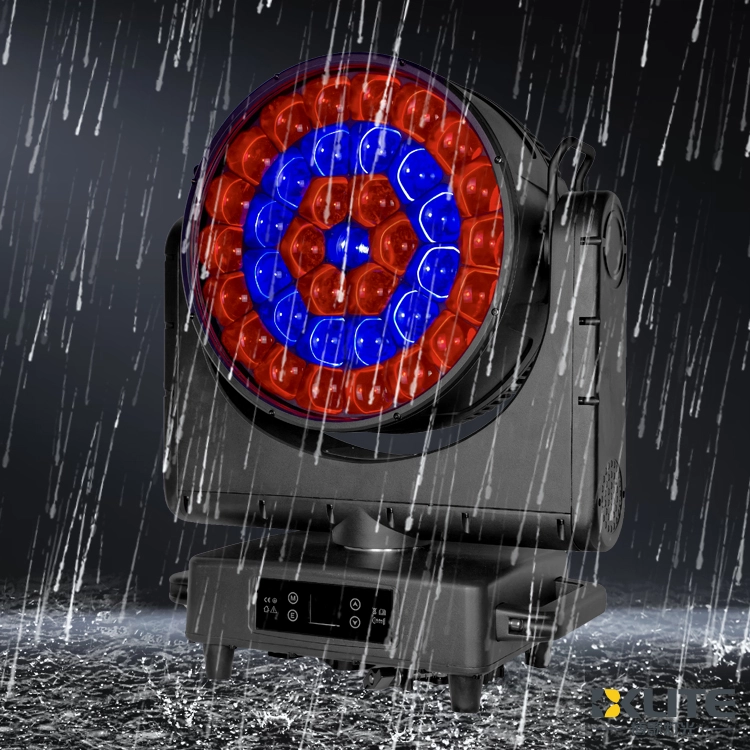
IP65 Waterproof ZOOM Bee Eye 37x40W RGBW 4in1 LED Moving Head Light
As a leading stage lighting equipment supplier with more than 15 years of industry know-how, BKlite brings you the IP65 ZOOM Bee Eye 37*40W RGBW 4in1 LED Moving Head Light (K25 Bee Eye) delivers vibrant, weatherproof lighting with powerful zoom and smooth movement. Ideal for dynamic stage effects, the K25 moving head light ensures stunning RGBW color mixing and reliable outdoor performance.
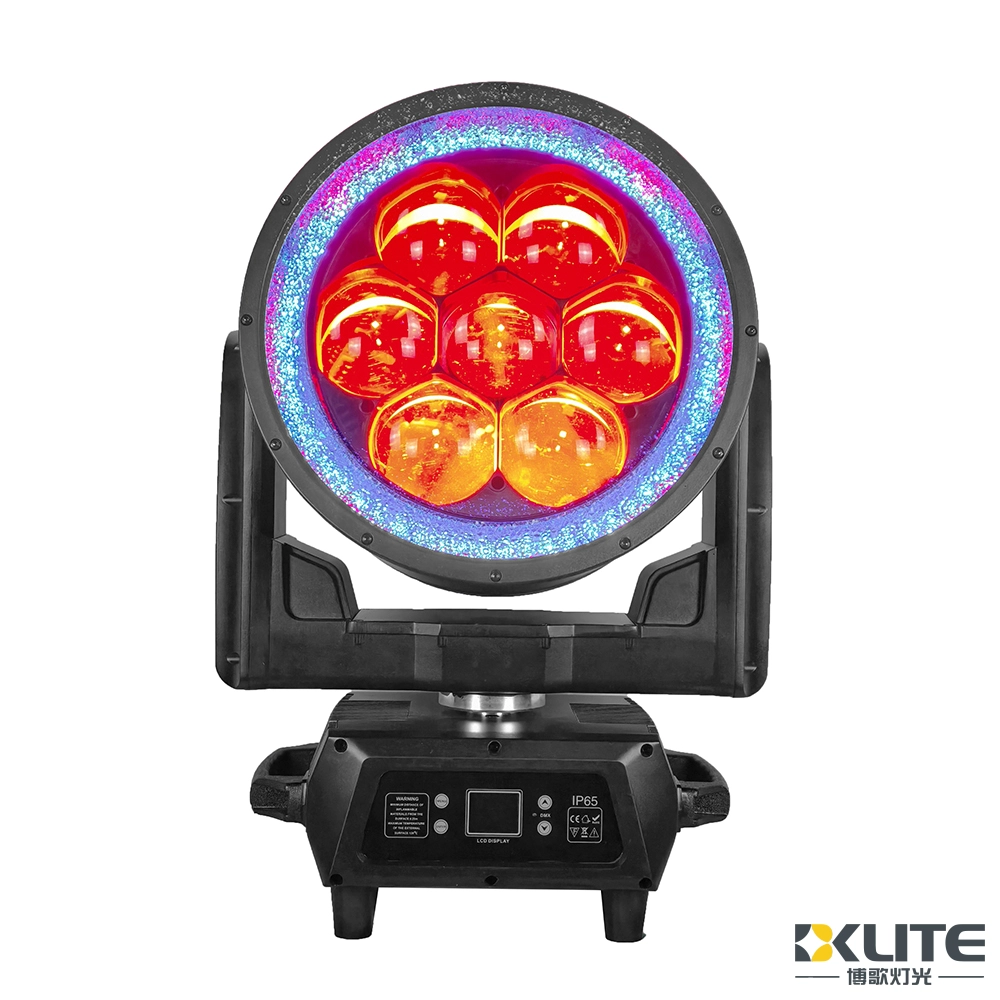
IP65 Waterproof Zoom Bee Eye 7x180W RGBL 4IN1 LED Moving Head Light With LED Ring
BKlite high power 7x180W waterproof bee eye moving head light—your reliable choice from top waterproof moving head light manufacturers and suppliers. Ideal for outdoor stage, live event, music festival, this energy-saving fixture ensures powerful, precise illumination for any venue. It delivers powerful, reliable lighting performance in any weather.
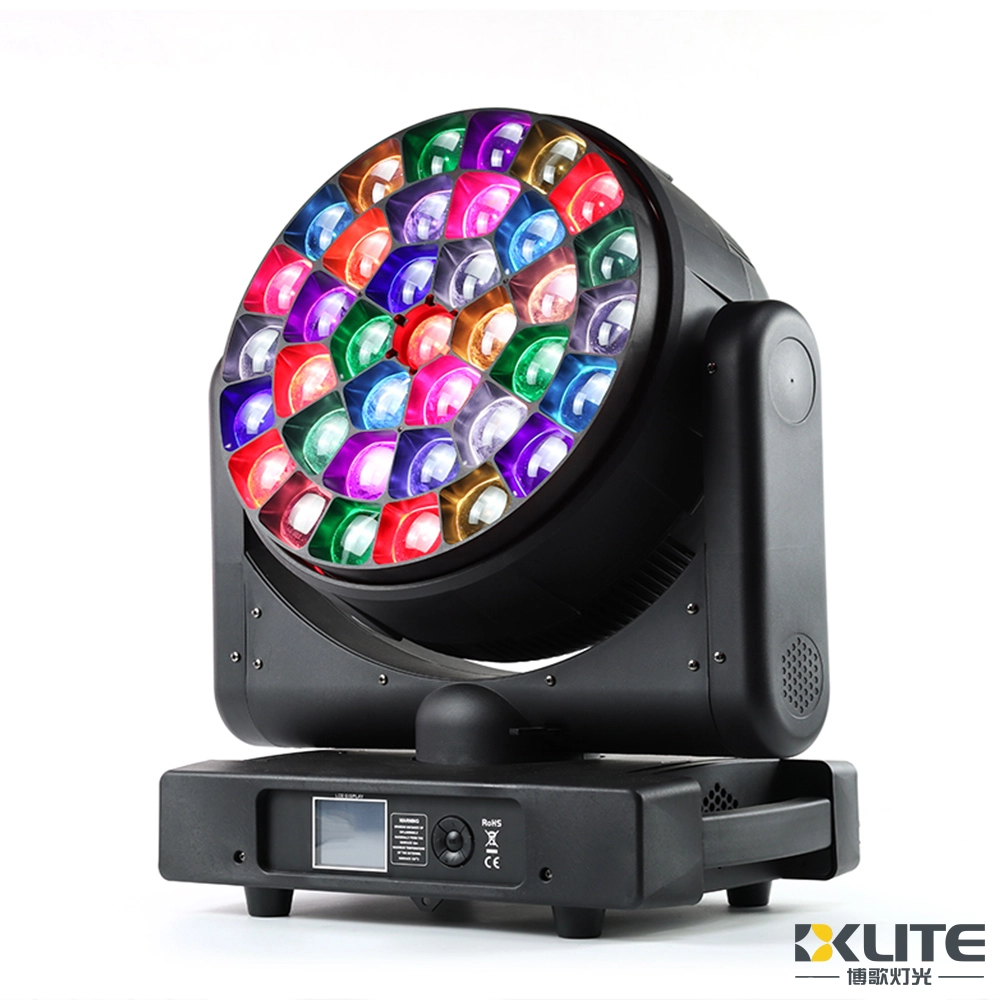
Bee Eye Zoom 37x40W RGBW 4in1 LED Beam Wash Moving Head Light
Contact us
Let's discuss how we can work together to achieve your business goals. Contact us today to get started.
 Address
No. 30, North Hongmian Avenue, Huadu District, GuangZhou, China.


Copyright © 2025 BKLITE All Rights Reserved.