




What rigging and weight limits affect Moving Head Light installs?
- Comprehensive Guide to Rigging and Weight Limits for Moving Head Lights
- 1. What are the key considerations for rigging moving head lights?
- 2. How do I determine the correct weight limits for my moving head lights?
- 3. What are the common mistakes to avoid when rigging moving head lights?
- 4. How often should moving head lights be inspected?
- 5. What are the best practices for mounting moving head lights?
- 6. How do I handle troubleshooting for moving head lights?
- 7. What are the safety regulations for rigging moving head lights?
- 8. How do I calculate the total load for a rigging system?
- Conclusion: Why Choose BKlite for Your Moving Head Light Needs?
Comprehensive Guide to Rigging and Weight Limits for Moving Head Lights
1. What are the key considerations for rigging moving head lights?
When rigging moving head lights, it's crucial to:
Conduct a Risk Assessment and Create a Load Plan: Identify rigging points, truss spans, available structural capacity, and the total load, including fixtures, clamps, cabling, and power/data supplies.
Understand Fixture Weight and Working Load Limits (WLL): Moving head lights vary in weight; for instance, compact moving heads can weigh 6–12 kg, while larger units may reach 30–60 kg. Always use the manufacturer's published weight and center-of-gravity data.
Choose Appropriate Rigging Hardware and Tools: Select hardware such as truss clamps, safety cables, shackles, and hoists that are rated for the load and compatible with the truss size.
2. How do I determine the correct weight limits for my moving head lights?
To determine the correct weight limits:
Refer to Manufacturer Specifications: Always consult the manufacturer's datasheets for accurate weight and center-of-gravity information.
Calculate Total Load: Sum the weights of all fixtures, clamps, cables, and any additional equipment to determine the total load.
Apply Safety Factors: Industry standards recommend a safety factor of 5:1 for temporary entertainment rigging. This means the hardware should be rated for at least five times the total load to account for dynamic forces and ensure safety.
3. What are the common mistakes to avoid when rigging moving head lights?
Common mistakes include:
Underestimating Fixture Weight: Always verify the actual weight of each fixture and include all components in your calculations.
Using Unrated or Unmarked Hardware: Ensure all rigging hardware is rated for the expected load and is properly marked with its Working Load Limit (WLL).
Neglecting Secondary Safety Measures: Always use a secondary safety cable or device attached to an independent point on the fixture or truss to prevent accidental drops.
4. How often should moving head lights be inspected?
Visual Inspections: Perform a visual inspection before each show to identify any obvious issues.
Detailed Inspections: Conduct a more thorough inspection monthly or after any event that stresses the rigging, such as outdoor shows or extreme weather conditions.
Formal Load-Bearing Hardware Inspections: Have a competent person perform these inspections annually or as required by local regulations.
5. What are the best practices for mounting moving head lights?
Best practices include:
Pre-Installation Planning: Verify the structural capacity of suspension points, confirm fixture weights, and ensure all hardware is compatible and rated for the load.
Secure Mounting: Attach the moving head light to the truss or rigging system using the recommended mounting hardware, ensuring the connection is tight and secure.
Cable Management: Route power and data cables neatly and securely to prevent tripping hazards and ensure proper signal transmission.
Safety Cables: Always use safety cables to secure the moving head lights, especially for heavy fixtures. These cables should be rated for the weight of the fixture and appropriately attached.
Testing and Alignment: After installation, test each moving head light to ensure it's functioning correctly and adjust the position as needed for optimal lighting coverage.
6. How do I handle troubleshooting for moving head lights?
Common troubleshooting steps include:
Check Power and DMX Connections: Ensure all power and data connections are secure and functioning correctly.
Verify DMX Addressing: Confirm that the DMX addresses are correctly set for each fixture.
Inspect for Mechanical Issues: Look for any signs of mechanical failure, such as unusual noises or movements.
Consult Manufacturer Support: If issues persist, refer to the manufacturer's troubleshooting guide or contact their support team for assistance.
7. What are the safety regulations for rigging moving head lights?
Safety regulations include:
Compliance with Local Codes: Adhere to local regulations and industry standards for rigging and safety.
Use of Certified Hardware: Ensure all rigging hardware is certified for entertainment rigging and has appropriate safety markings.
Training and Certification: Ensure that all personnel involved in rigging are properly trained and certified.
Regular Inspections: Conduct regular inspections of all rigging components and fixtures to maintain safety standards.
8. How do I calculate the total load for a rigging system?
To calculate the total load:
Sum Individual Weights: Add the weight of each moving head light, including clamps, cables, and any additional equipment.
Apply Dynamic Multiplier: Multiply the total static load by a dynamic factor (commonly 1.25) to account for motion-induced forces.
Apply Safety Factor: Multiply the dynamic load by the recommended safety factor (e.g., 5:1) to determine the required Working Load Limit (WLL) for the rigging hardware.
Conclusion: Why Choose BKlite for Your Moving Head Light Needs?
BKlite offers a range of moving head lights that combine advanced technology with user-friendly features. Their products are designed with safety and performance in mind, ensuring reliable operation in various stage lighting applications. By choosing BKlite, you benefit from:
High-Quality Construction: Durable materials and precise engineering for long-lasting performance.
Comprehensive Support: Detailed product documentation and responsive customer service to assist with installation and troubleshooting.
Innovative Features: Cutting-edge technology that enhances lighting effects and ease of use.
For more information on BKlite's moving head lights and to explore their product offerings, visit their official website.

IP66 672pcsx0.5w rgb 112pcsx3w cool white led strobe bar light with seethonic power plug, electric frost & clamps
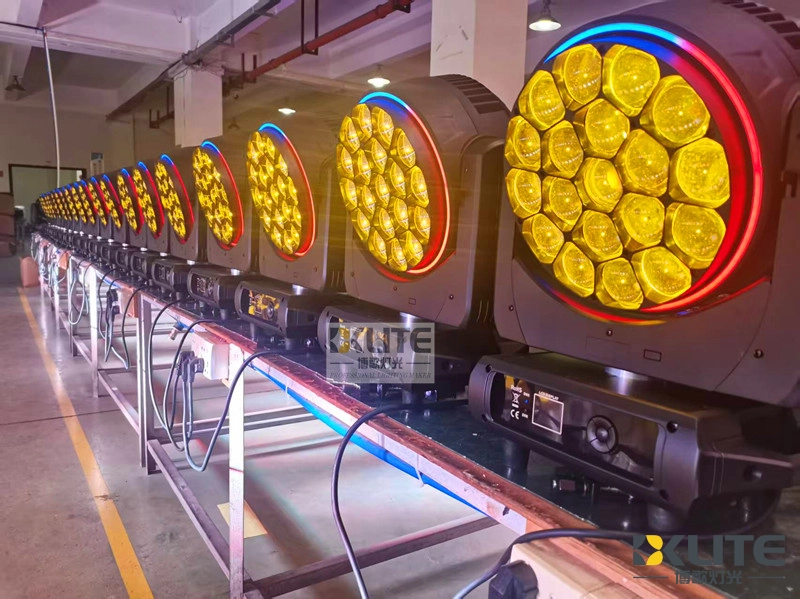
BKlite Zoom Bee Eye K15 19x40w rgbw 4in1 Led Beam Wash Moving Head Light with LED Ring
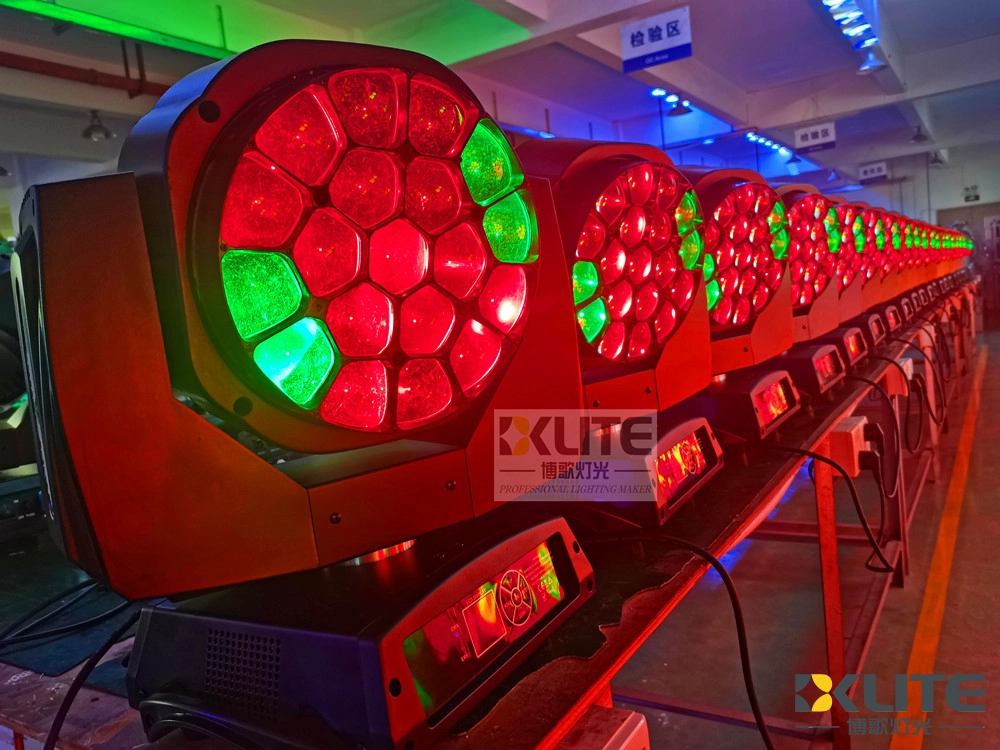
Bee eye k10 ZOOM 19x15w rgbw 4in1 led beam wash moving head light
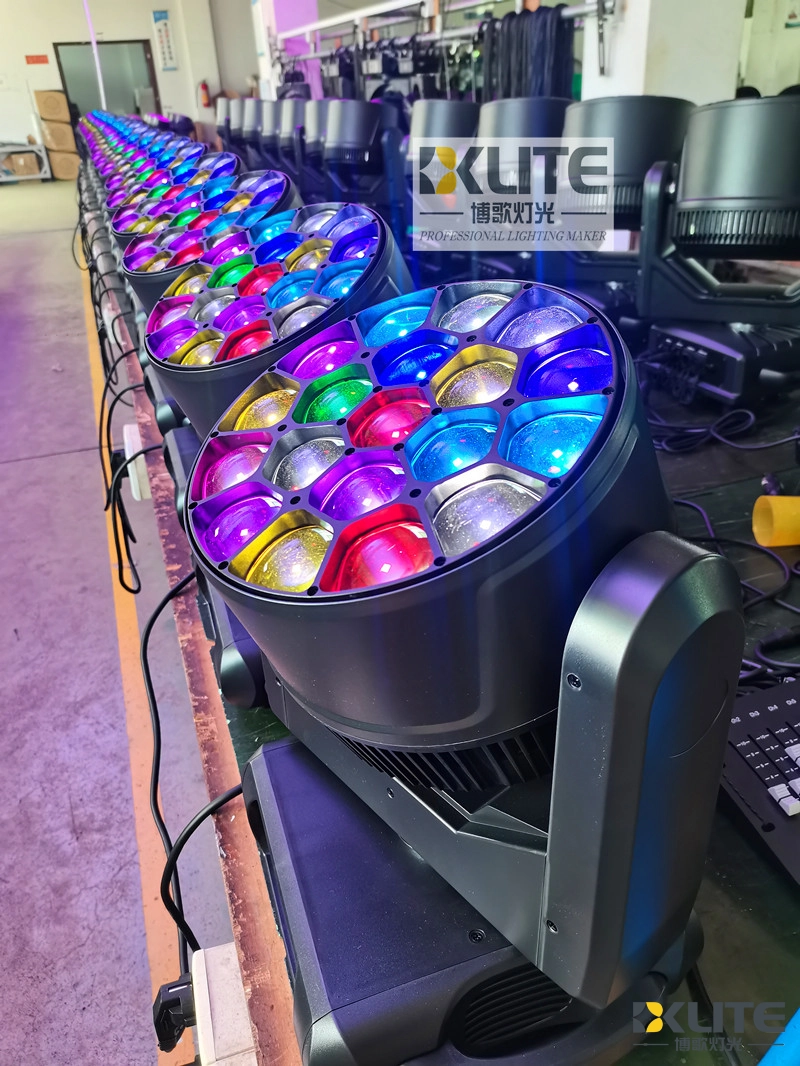
Bee Eye K10 LED Moving Head Light – 19×15W RGBW Zoom Fixture for Professional Stage Lighting
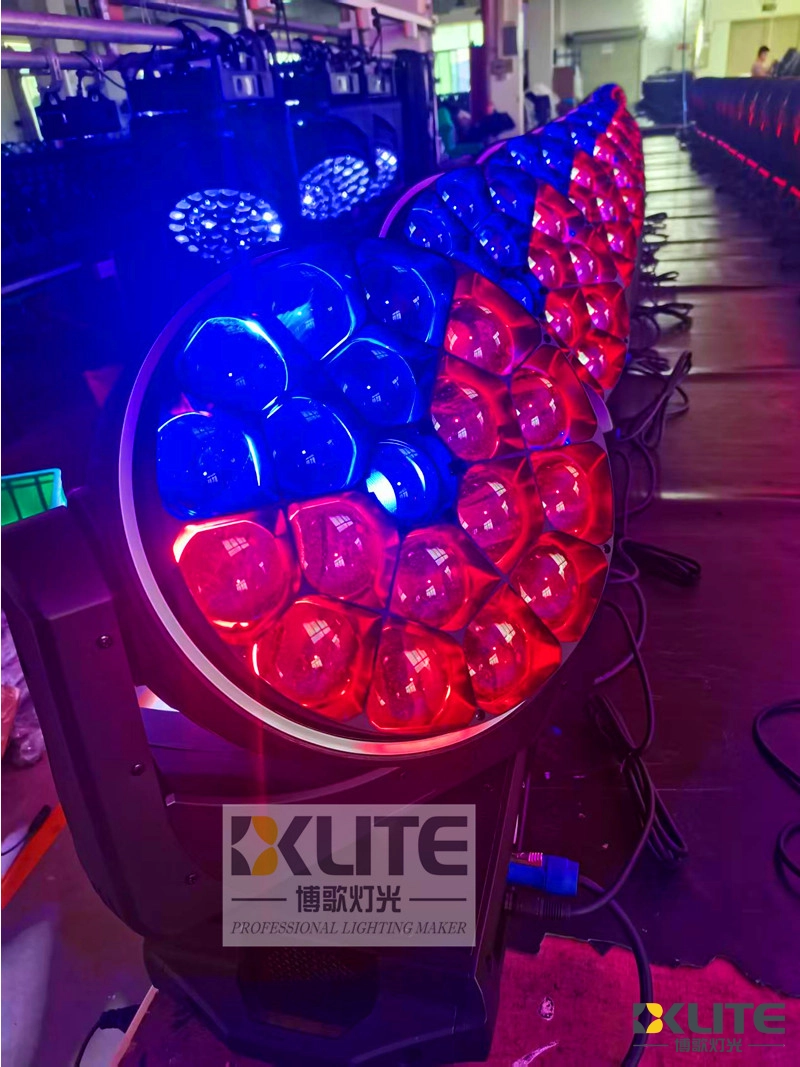
The All-in-One Solution for Modern Stage Lighting - IP20 Bee Eye 19×40W RGBW LED Moving Head Light
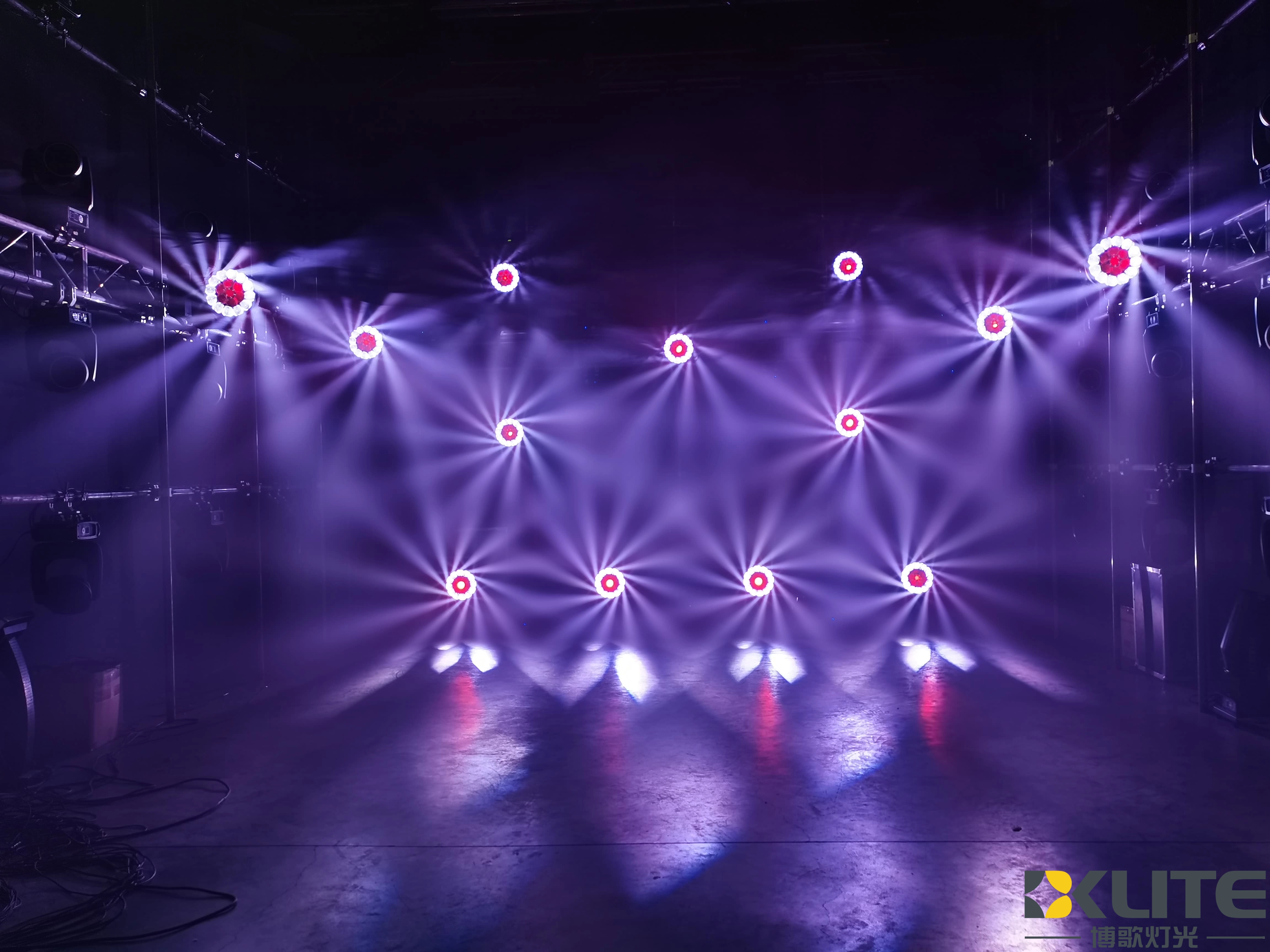
What Makes LED Lights So Special?
FAQs
When will you ship the product after I send the money?
It depends the order.Small order will take 3-5 days.
How can i order?
Please send us your purchase list by e-mail, WhatsApp, QQ, or making a call, and you can also ask us to send you a PI for your approval. We need to know the following information for your order.
What service can you supply?
We can apply for the OEM/ODM service.
What's the shipping way, shipping time?
The ways of shipping—you can choose which is suitable for you. (1). By Sea, 30-60 days; apply for bulk quantity.
(2). By Air, 5-7 days; apply for bulk quantity.
(3). By Express, 3-5 days; apply for small quantity and urgent order.
What kind of package do you have?
We can pack the lights in a carton case and a flight case.
What's your certificates?
ROHS and CE certificates passed.

150W RGBL 4in1 LED Wash Moving Head Light
With over 15 years of proven expertise as an industry-leading stage lighting equipment supplier, BKlite brings you the high-performance stage light. The fixture is compatible with various mounting accessories and control systems, enabling flexible integration into all lighting setups and unlocking more creative possibilities for lighting designers. It includes motorized zoom, 16-bit dimming, and vibrant RGBL color mixing. Ideal for concerts, clubs, and theater productions.
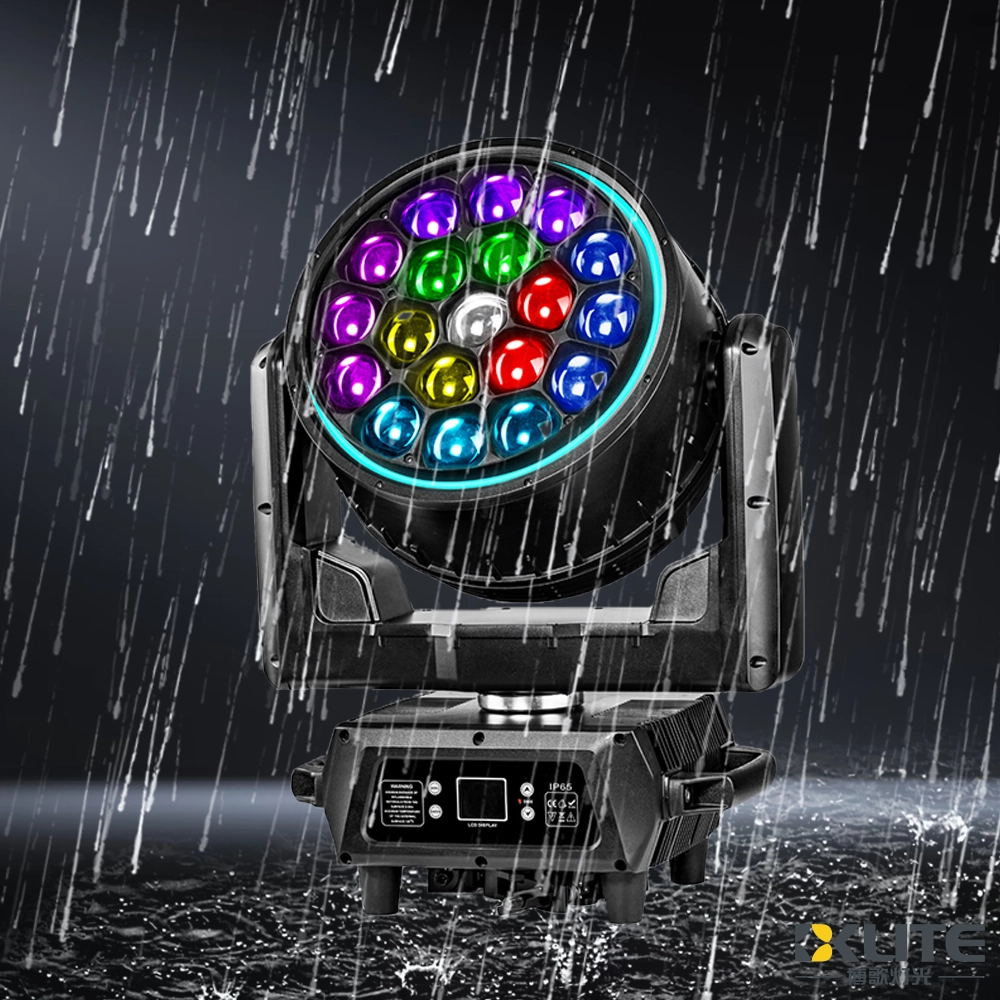
IP65 Waterproof Bee Eye Zoom 19x40W RGBW 4IN1 LED Beam Wash Moving Head Light with LED Ring
BKlite waterproof bee eye moving head light—your reliable choice from top waterproof moving head light manufacturers and suppliers. Ideal for outdoor stage, live event, music festival, this energy-saving fixture ensures powerful, precise illumination for any venue. It delivers powerful, reliable lighting performance in any weather.
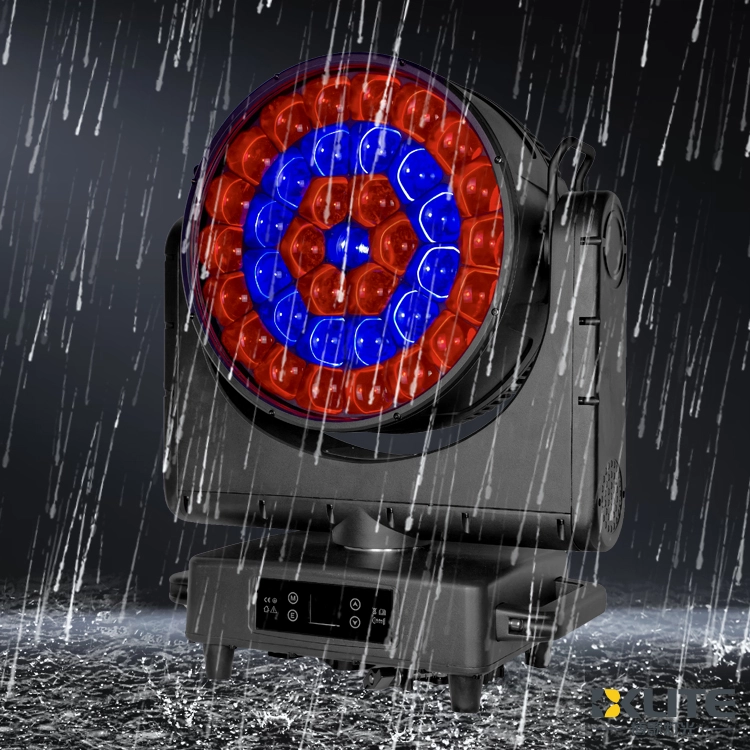
IP65 Waterproof ZOOM Bee Eye 37x40W RGBW 4in1 LED Moving Head Light
As a leading stage lighting equipment supplier with more than 15 years of industry know-how, BKlite brings you the IP65 ZOOM Bee Eye 37*40W RGBW 4in1 LED Moving Head Light (K25 Bee Eye) delivers vibrant, weatherproof lighting with powerful zoom and smooth movement. Ideal for dynamic stage effects, the K25 moving head light ensures stunning RGBW color mixing and reliable outdoor performance.
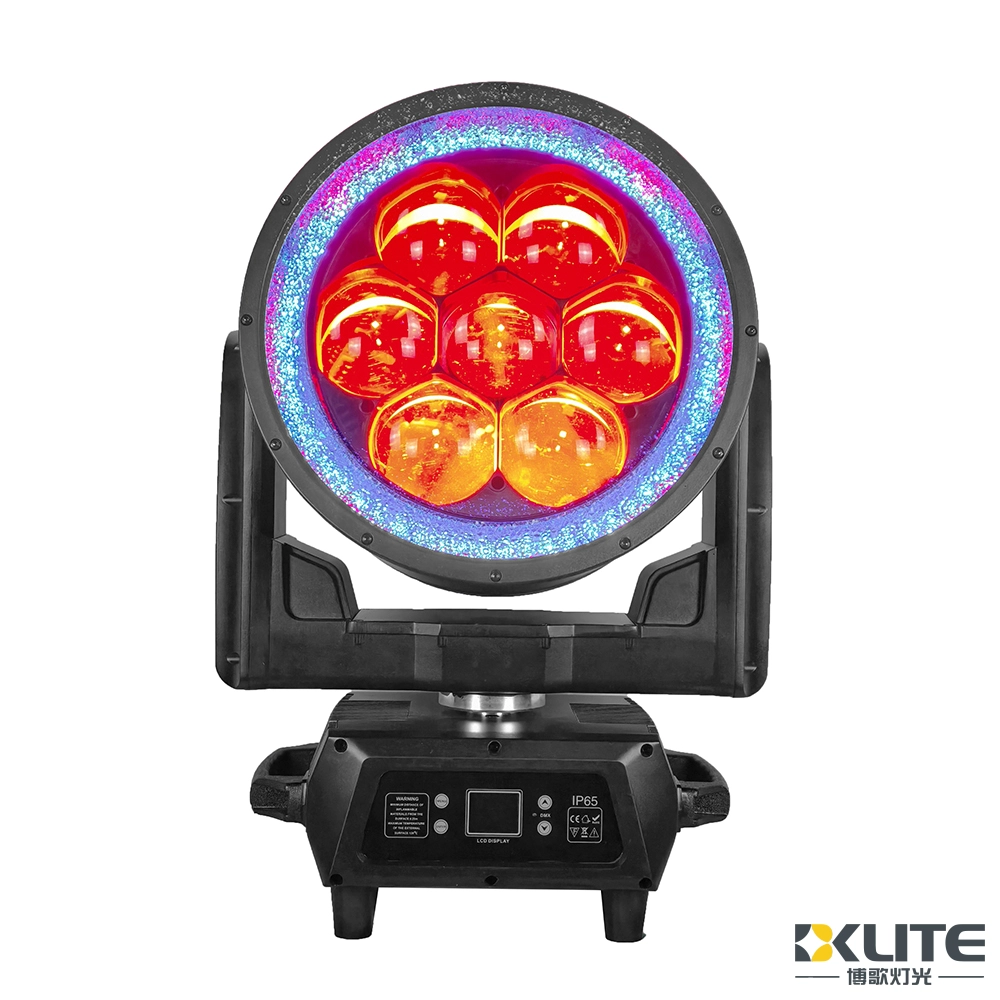
IP65 Waterproof Zoom Bee Eye 7x180W RGBL 4IN1 LED Moving Head Light With LED Ring
BKlite high power 7x180W waterproof bee eye moving head light—your reliable choice from top waterproof moving head light manufacturers and suppliers. Ideal for outdoor stage, live event, music festival, this energy-saving fixture ensures powerful, precise illumination for any venue. It delivers powerful, reliable lighting performance in any weather.
Contact us
Let's discuss how we can work together to achieve your business goals. Contact us today to get started.
 Address
No. 30, North Hongmian Avenue, Huadu District, GuangZhou, China.


Copyright © 2025 BKLITE All Rights Reserved.