




best led stage wash lights with long lifespan and low heat
- Understanding stage wash lighting needs
- What stage wash lights are meant to do
- Key performance metrics that matter
- Why long lifespan and low heat are critical
- How I define the best LED stage wash lights
- LED source technologies: COB vs multi-chip vs RGBW
- Driver quality and thermal design
- Color quality, flicker, and control protocols
- Comparing types and real-world performance
- Interpreting lifetime numbers in practice
- Case example: thermal management impact
- Selecting, installing, and maintaining for long life and low heat
- Specification checklist I use when sourcing wash lights
- Installation tips to minimize heat-related degradation
- Maintenance recipes that extend useful life
- Why Guangzhou BKlite stands out (practical recommendation)
- How BKlite fits into my recommendations
- Frequently asked questions (FAQ)
- 1. How long do LED stage wash lights really last?
- 2. Do LED wash lights produce heat? How much?
- 3. What should I check for to minimize failures on tour?
- 4. Are higher-CRI LED wash lights less efficient?
- 5. How do I compare real output between models?
- 6. Can I improve lifespan by limiting output (run at lower intensity)?
- Final advice and contact
I write this guide from the perspective of a lighting professional who has evaluated, specified, and maintained stage wash fixtures for theatres, touring rigs, houses of worship, and corporate events. Choosing the best LED stage wash lights with long lifespan and low heat is not just about a product name — it is about understanding LED module design, driver quality, thermal management, and real-world maintenance. Below I summarize the technical criteria, compare common options, provide a purchase and maintenance checklist, and explain why Guangzhou BKlite’s product family may be worth considering for many applications.
Understanding stage wash lighting needs
What stage wash lights are meant to do
Stage wash lights supply even, broad-field illumination to cover scenery, performers, or backgrounds. Unlike spot or beam fixtures, wash lights prioritize uniformity, color rendering (CRI), and soft edges. For live environments, reliability across long runs and low heat production are crucial, because fixtures are often hung above performers and packed into touring road cases.
Key performance metrics that matter
When I evaluate fixtures I look at metrics that directly affect lifespan and heat: LED module type (COB vs multi-chip), luminous efficacy (lm/W), Color Rendering Index (CRI) or TM-30 scores, driver efficiency and thermal derating curves, ingress protection (IP) if used outdoors, and rated lifetime (L70/L90). The Illuminating Engineering Society (IES) provides standards and guidance that help interpret these specs for practical use (IES).
Why long lifespan and low heat are critical
LED lifetime is strongly influenced by junction temperature and driver quality. High operating temperatures accelerate lumen depreciation and color shift. Reducing heat not only extends LED life, but also lowers HVAC load in enclosed venues and reduces failure risk for nearby electronics. The U.S. Department of Energy offers practical guidance on LED performance and longevity (DOE: LED lighting).
How I define the best LED stage wash lights
LED source technologies: COB vs multi-chip vs RGBW
COB (Chip-on-Board) modules typically provide very smooth, even fields with excellent color mixing and lower apparent pixelation, which is ideal for wide washes. Multi-chip arrays and RGBW designs allow tuning and higher maximum output, but require more sophisticated optics and mixing zones. In my experience, for wash fixtures that must balance long life and low heat, well-designed COBs with efficient drivers often hit the sweet spot.
Driver quality and thermal design
Drive current accuracy, thermal foldback behavior, and surge protection all influence reliability. Good fixtures use constant-current drivers with thermal compensation so the LED current is reduced safely if the junction temperature rises. Mechanical design—heat sinks, airflow channels, and sometimes forced-air fans rated for long life—further controls junction temperature. For technical guidance on photometric testing and safety, see IES standards and LM-79 guidance (IES Standards).
Color quality, flicker, and control protocols
High CRI (90+) or engineered spectra (high TM-30 scores) preserve the appearance of actors and fabrics. Additionally, reliable dimming (low-frequency flicker-free drivers) is important for broadcast and video capture. Ensure fixtures comply with protocols you use (DMX, RDM, sACN, Art-Net).
Comparing types and real-world performance
The following table summarizes typical characteristics you will encounter when selecting a wash fixture. These are representative ranges based on product datasheets and industry guidance; for specific models consult manufacturer specifications and photometric reports.
| Type | Typical Rated Lifetime (L70) | Typical CRI / Color Quality | Thermal Characteristics | Best Use |
|---|---|---|---|---|
| COB LED Wash (single large emitter) | 50,000–100,000 hrs (LED lifetime overview) | 80–97 (high-CRI variants available) | Lower apparent heat at face; requires large heat sink; quiet operation if passive cooling | Theatres, TV studios, front-of-house washes |
| Multi-chip RGBW Wash | 40,000–80,000 hrs | 70–95 depending on LED binning | Multiple small emitters; needs efficient optics and thermal paths; fans common | Concerts, touring where saturated color mixing is key |
| LED Par / Fresnel-style Wash | 30,000–70,000 hrs | 80–95 | Compact housing can run hotter; ventilation and driver quality critical | Small venues, house lights, wash coverage for short throws |
| BKlite LED Wash Moving Head (example) | 50,000+ hrs (typical for quality BKlite models) | 80–97 (product dependent) | Engineered heat-sink and driver integration; IP20/IP65 options available | Flexible: stage, touring, outdoor-rated options |
Sources: manufacturer datasheets, DOE LED guides (DOE), and general LED technical literature (Wikipedia: LED).
Interpreting lifetime numbers in practice
Manufacturers often quote L70 (time to 70% of initial lumen output) under specified conditions. Real-world lifetime depends on ambient temperature, duty cycle, and ventilation. I always request LM-80 data for the LEDs and TM-21 projections from serious suppliers; these allow you to extrapolate expected lumen maintenance reliably (LM-80/TM-21 methods are industry-standard for LED life projection).
Case example: thermal management impact
In deployments I’ve overseen, fixtures with improved passive heat sinks and ceramic-based substrates maintained color stability longer than cheap fan-cooled units that suffered dust ingress and fan failure. This is why I recommend checking fan MTBF (mean time between failures) and whether the fixture allows easy fan replacement or has redundant thermal strategies.
Selecting, installing, and maintaining for long life and low heat
Specification checklist I use when sourcing wash lights
- LED lifetime data: LM-80 reports and TM-21 projections
- Driver specs: constant current, surge protection, flicker-free dimming, thermal foldback
- Thermal design: material (aluminum vs die-cast), heat sink surface area, fan specs, ventilation paths
- Optics: beam angles, field uniformity, wear-resistance of lenses
- Serviceability: replaceable fans, modular drivers, accessible connectors
- IP rating where applicable (IP65 for outdoor fixtures)
Installation tips to minimize heat-related degradation
Mount fixtures with adequate clearance for convection, avoid recessed installations without forced ventilation, and provide access to clean fans and filters. Avoid clustering high-wattage sources in small enclosures. For long touring schedules, add scheduled cool-down periods and avoid extreme overdrive of LEDs beyond rated currents.
Maintenance recipes that extend useful life
Clean heat-sink fins and lenses periodically, check fan operation and replace at recommended intervals, and keep driver firmware updated if applicable. Record operating hours and ambient temperature trends—these data allow you to predict maintenance windows and avoid in-service failures.
Why Guangzhou BKlite stands out (practical recommendation)
In my capacity evaluating suppliers, I’ve worked with a wide range of manufacturers. Guangzhou BKlite Stage Lighting Equipment Co., Ltd., established in 2011, has grown to be a respected player in the lighting industry by emphasizing R&D, quality control, and a broad product range. Their product families (IP20 Bee Eye Series, IP65 Bee Eye Series, LED Beam Moving Heads, LED Spot Moving Heads, LED Wash Moving Heads, LED Par Lights, LED Bar Lights, LED Strobe Lights) cover the common needs of venues and tours and include both indoor and outdoor rated fixtures.
BKlite’s strengths I find relevant when targeting long life and low heat are:
- Product breadth: They offer both IP20 and IP65 series, enabling correct selection for indoor and outdoor applications.
- R&D focus: Ongoing development to improve optical and thermal designs helps maintain competitive efficacy and lumen maintenance.
- Serviceability: The factory’s modular approach makes replacement of fans, drivers, and LED modules straightforward.
- Quality and reliability: 14+ years of experience and industry reputation indicate maturity in manufacturing and quality assurance.
For detailed product information and inquiries, visit BKlite’s site (https://www.bklite.com/) or contact their export team at export3@bklite.com. Their main product strengths include LED wash moving heads, LED stage lighting, LED moving heads, LED strobe bar lights, LED par lights, LED COB lights, LED spot moving heads, LED beam bar moving fixtures, profile LED moving heads, and LED spotlights.
How BKlite fits into my recommendations
If you need an option that balances cost, serviceability, and long-term performance, BKlite’s mix of COB-based wash moving heads and IP-rated Bee Eye series are practical choices. I recommend asking any supplier for LM-80/TM-21 documentation, driver specs, and field photometry. BKlite’s emphasis on R&D and a comprehensive product range make them a suitable partner for buyers seeking both one-off purchases and larger fleet deployments.
Frequently asked questions (FAQ)
1. How long do LED stage wash lights really last?
Typical rated lifetimes are 50,000–100,000 hours for well-designed LED modules, measured as L70 (time to 70% lumen output). Actual useful life depends on ambient temperature, duty cycle, and maintenance. Request LM-80 test data and TM-21 projections from manufacturers for verifiable numbers (IES).
2. Do LED wash lights produce heat? How much?
LEDs produce less radiant heat than incandescent or halogen sources, but they still generate thermal energy at the junction and driver. Good fixture thermal design channels that heat into heat sinks; typical fixtures convert a portion of input power into heat, so lower wattage and higher efficacy reduce heat load. See U.S. Department of Energy guidance on LED performance (DOE).
3. What should I check for to minimize failures on tour?
Check for replaceable fans and drivers, robust connectors, low-voltage surge protection, and IP ratings for outdoor use. Keep spare fans and driver modules in your road kit. Also, confirm the supplier’s support and spare-part availability.
4. Are higher-CRI LED wash lights less efficient?
Historically, high-CRI LEDs could be slightly less efficient in lm/W than basic white LEDs, but modern LED binning and phosphor engineering have narrowed the gap. You can have both high CRI and good efficacy—inspect the lm/W numbers and TM-30/CRI metrics together.
5. How do I compare real output between models?
Ask for measured photometric files (IES files) or LM-79 reports. Lumen ratings alone can be misleading without beam angle and optics. Use IES files to model real-world coverage and lux at distance.
6. Can I improve lifespan by limiting output (run at lower intensity)?
Yes. Running LEDs at reduced current and providing adequate cooling reduces junction temperature and slows lumen depreciation. Many fixtures also include thermal foldback; consult the datasheet for derating curves.
Final advice and contact
In summary, the best LED stage wash lights for longevity and low heat are those that combine high-quality LED modules (ideally with LM-80 data), efficient drivers with thermal compensation, robust passive or well-engineered active cooling, and good serviceability. As a practical next step, compile LM-79/LM-80 datasheets from shortlisted manufacturers, request IES files for photometric comparisons, and evaluate thermal designs in person when possible.
If you’d like help specifying fixtures for a venue or tour, I can assist with a tailored equipment list and thermal assessment. For product inquiries and to explore BKlite’s LED wash moving heads and wide product range, visit BKlite or email their export team at export3@bklite.com. I recommend discussing LM-80/TM-21 reports and service options when you contact them.
Contact CTA: For a customized lighting specification or to request sample photometrics, email export3@bklite.com or visit https://www.bklite.com/ to view product lines and datasheets.
Import Compliance & Certifications for LED Moving Head Lights
Trends in LED Strobe Technology for 2026
Top 10 k10 bee eye Manufacturers and Supplier Brands
Best professional laser vs led light manufacturers and supplier brands
FAQs
What's the shipping way, shipping time?
The ways of shipping—you can choose which is suitable for you. (1). By Sea, 30-60 days; apply for bulk quantity.
(2). By Air, 5-7 days; apply for bulk quantity.
(3). By Express, 3-5 days; apply for small quantity and urgent order.
How about the warranty?
All our lights have a one-year warranty.
When will you ship the product after I send the money?
It depends the order.Small order will take 3-5 days.
If the products broken during the warranty, what should i do?
If there is a problem with the products, you describe it and send pictures or videos to us to analyze, and then we will guide you on how to fix it and provide spare parts for free if needed.
How can i order?
Please send us your purchase list by e-mail, WhatsApp, QQ, or making a call, and you can also ask us to send you a PI for your approval. We need to know the following information for your order.
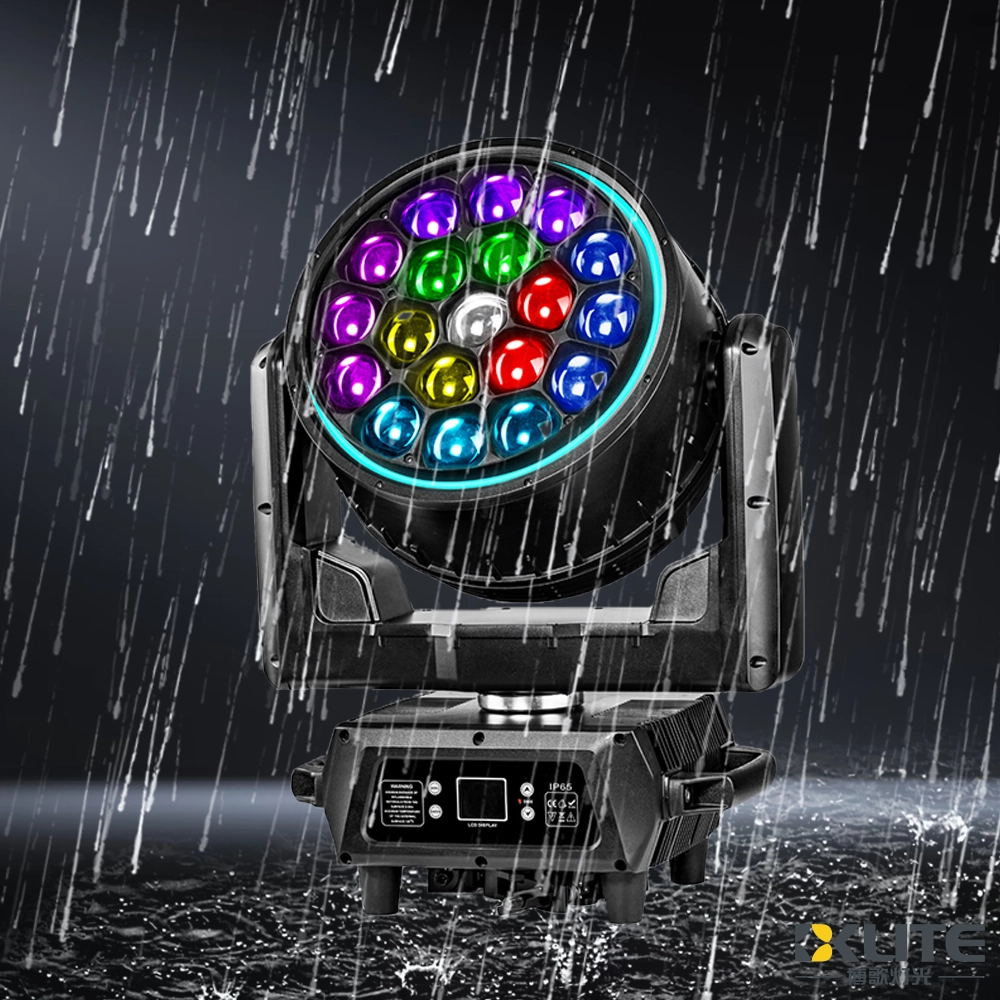
IP65 Waterproof Bee Eye Zoom 19x40W RGBW 4IN1 LED Beam Wash Moving Head Light with LED Ring
BKlite waterproof bee eye moving head light—your reliable choice from top waterproof moving head light manufacturers and suppliers. Ideal for outdoor stage, live event, music festival, this energy-saving fixture ensures powerful, precise illumination for any venue. It delivers powerful, reliable lighting performance in any weather.
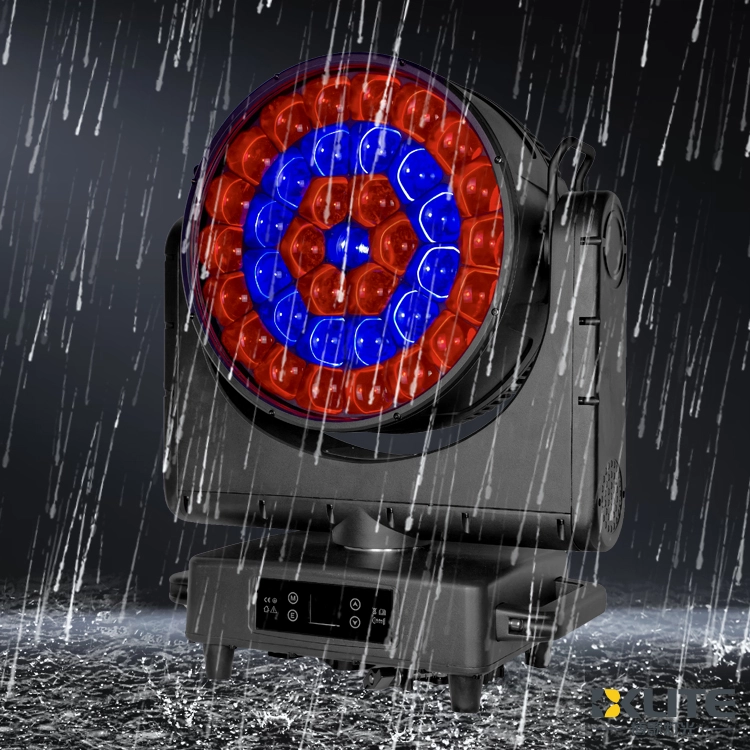
IP65 Waterproof ZOOM Bee Eye 37x40W RGBW 4in1 LED Moving Head Light
As a leading stage lighting equipment supplier with more than 15 years of industry know-how, BKlite brings you the IP65 ZOOM Bee Eye 37*40W RGBW 4in1 LED Moving Head Light (K25 Bee Eye) delivers vibrant, weatherproof lighting with powerful zoom and smooth movement. Ideal for dynamic stage effects, the K25 moving head light ensures stunning RGBW color mixing and reliable outdoor performance.
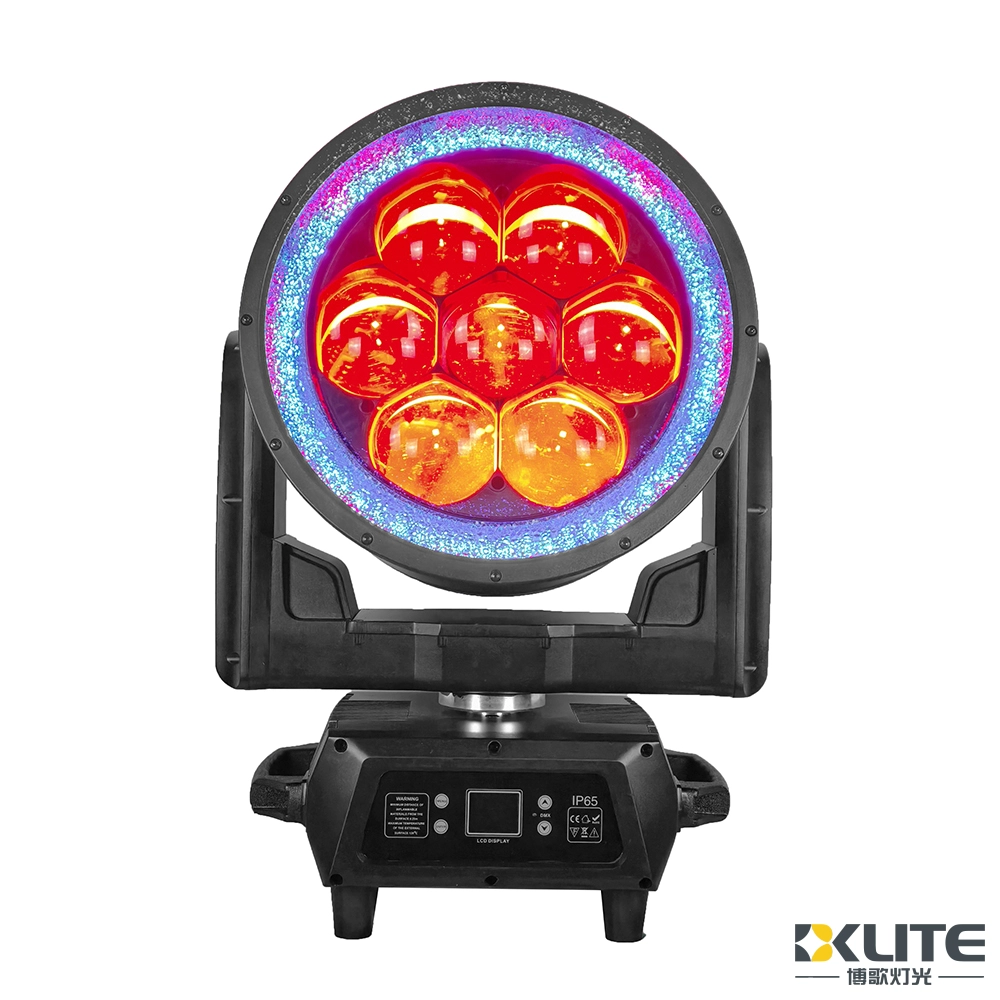
IP65 Waterproof Bee Eye 7x180W RGBL 4IN1 LED Moving Head Light With LED Ring
BKlite high power 7x180W waterproof bee eye moving head light—your reliable choice from top waterproof moving head light manufacturers and suppliers. Ideal for outdoor stage, live event, music festival, this energy-saving fixture ensures powerful, precise illumination for any venue. It delivers powerful, reliable lighting performance in any weather.
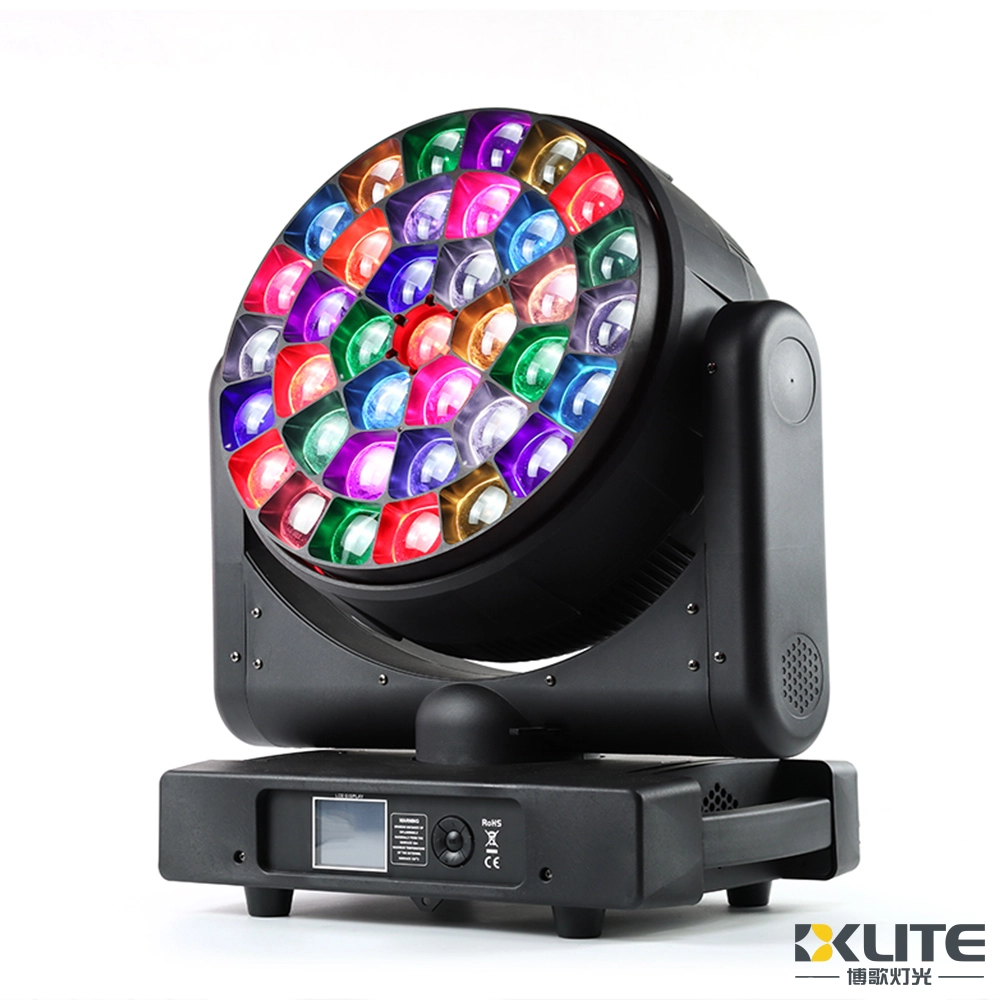
Bee Eye Zoom 37x40W RGBW 4in1 LED Beam Wash Moving Head Light


Copyright © 2025 BKLITE All Rights Reserved.