



best led stage wash lights for DJs: punchy and affordable
- Understanding wash lights and what DJs really need
- What a wash light does for a DJ set
- How DJs judge “punchy”
- Tradeoffs DJs must accept
- How to choose the best led stage wash lights
- Technical specs that matter (and why)
- Performance vs. price: where to spend
- Ergonomics and transport
- Top categories and a practical comparison
- Common categories DJs buy
- Category comparison table
- How I pick a model for a given DJ
- Setup, control and practical tips to get the most punch
- Placement and aiming strategies
- Control workflows for DJs (live and automated)
- Maintenance and reliability on the road
- Recommended buying strategy and real-world examples
- How many fixtures do you need?
- Sample configuration and budget breakdown
- Why I often recommend working with trustworthy manufacturers
- About Guangzhou BKlite and why I recommend considering their products
- FAQs — common questions DJs ask about wash lights
- 1. What is the single most important spec when choosing a wash light for DJs?
- 2. Do I need IP65-rated wash lights for outdoor DJ sets?
- 3. Can small budget LED PARs look as punchy as moving-head washes?
- 4. How many fixtures do I need to light a 200-person club?
- 5. What should I check about a fixture before buying for streaming/YouTube DJ sets?
- 6. How important is DMX vs. wireless control for DJs?
- Closing and contact
I’ve spent over a decade working with DJs, touring acts, and clubs to dial in lighting that delivers punch without breaking the budget. In this guide I explain how to identify the best led stage wash lights for DJs: devices that combine high perceived output, reliable color mixing, flexible control (DMX/RDM/Wi‑Fi), and ruggedness for gigging. I’ll walk you through technical criteria that matter in real-world use, compare typical product categories, and give setup and performance tips — all aimed at helping you choose the right fixture for your shows.
Understanding wash lights and what DJs really need
What a wash light does for a DJ set
A wash light provides broad, even color coverage across a stage or dancefloor. For DJs, the goal is quick impact — bright color fields that read on camera and in a dark club — plus the flexibility to switch moods between tracks. Unlike tight-beam moving heads used for aerial effects, wash lights are about area illumination, skin-tone fidelity, and smooth color mixing. For a technical primer on stage lighting roles see Stage lighting — Wikipedia.
How DJs judge “punchy”
Punchiness is largely perceived brightness and color saturation. Key factors: LED emitter type (Cree/OSRAM/epistar/COB sources), total light output (lumens or lux at a distance), beam angle/zoom, and color mixing method (RGB vs. RGBW vs. COB RGBW). For club use, medium beam angles (25°–40°) give concentrated impact while still covering a booth or small stage. Also important: refresh rate (no camera flicker) and PWM dimming frequency — both affect video recording and live streaming. DMX512 and RDM support let you integrate fixtures into complex rigs; learn more on DMX basics at DMX512 — Wikipedia.
Tradeoffs DJs must accept
Budget wash lights sacrifice either color fidelity, construction quality, or control features. High-CRI LED arrays and COB sources improve skin tones but cost more. IP-rated housings add weather protection for outdoor gigs but increase price and weight. My approach is to prioritize perceived brightness and reliable color mixing for DJs who want punch on a budget, then add durability or IP protection only if your use cases require it.
How to choose the best led stage wash lights
Technical specs that matter (and why)
When I evaluate fixtures, I focus on measurable specifications that map to real performance:
- Output: lumens and lux at given distances. Higher lumens and higher lux at 3–10 meters mean stronger presence on stage and camera.
- Beam angle/zoom: fixed-par vs. zoom/varifocal wash. Zoom gives versatility — tighten to spotlight a DJ, widen to wash the crowd.
- Color system: RGB vs. RGBW vs. 4-in-1 COB. RGBW adds white for cleaner pastels and better skin tones. CRI (Color Rendering Index) or TM-30 scores indicate accuracy; higher is better. See Color rendering index — Wikipedia.
- Control: DMX/RDM, stand-alone programs, wireless/Art-Net. For touring DJs DMX + RDM or wireless control is essential.
- Electrical: power draw and powerCON/neutrik connectors; check inrush current for dimmer and generator sizing.
- Build & protection: IP20 for indoor, IP65 for outdoor. If you gig outdoors, IP rating matters for longevity.
Performance vs. price: where to spend
For DJs focused on punch and affordability, I recommend allocating budget in this order: optics/emitters (affects perceived brightness), color system (adds versatility), and control features. Don’t overspend on metal housing if the LEDs and optics are weak — a solidly-packed LED engine with a good lens will perform better in a club than a heavy fixture with mediocre emitters.
Ergonomics and transport
Weight, mounting options (Yoke vs. hanging bracket), and cabling access matter for mobile DJs. Low-profile par-style wash lights and compact wash moving heads with quick-lock clamps make load-ins faster and reduce the risk of handling damage. Look for easy-access fuse holders and replaceable fans/filters if you’ll be on the road frequently.
Top categories and a practical comparison
Common categories DJs buy
I group wash fixtures into four practical categories for DJs: budget LED PARs, compact LED wash moving heads, full-featured RGBW/COB wash moving heads, and IP65 outdoor washes. Each has pros/cons depending on venue size, portability needs, and budget.
Category comparison table
Below is a practical comparison of the categories with typical real-world ranges. These figures are representative ranges I use when advising clients; exact values vary by model.
| Category | Typical Power | Typical Output (lumens) | Beam Angle | Control | Price Range (USD) |
|---|---|---|---|---|---|
| Budget LED PAR (indoor) | 30–150 W | 1,500–6,000 lm | 15°–60° fixed | DMX, stand-alone | $40–$200 |
| Compact wash moving head | 50–200 W | 3,000–12,000 lm | 15°–40° zoom | DMX/RDM, wireless options | $300–$900 |
| Full-featured RGBW/COB wash | 150–600 W | 10,000–40,000+ lm | 8°–45° zoom | Advanced DMX modes, presets | $900–$4,000+ |
| IP65 outdoor wash | 100–600 W | 6,000–30,000 lm | 10°–60° zoom | DMX/RDM, weatherproof connectors | $450–$3,500 |
How I pick a model for a given DJ
For club residencies: compact wash moving heads or higher-output PARs with RGBW and ~30° beam work best. For mobile DJs doing weddings: prioritize CRI and quiet fans for camera-friendly skin tones. For outdoor festival slots: choose IP65-rated washes and confirm cooling specs for sustained output in heat. When in doubt, I test a candidate fixture under club lighting conditions to verify perceived punch and camera-to-eye performance.
Setup, control and practical tips to get the most punch
Placement and aiming strategies
To maximize punch, hang washes at or slightly behind the DJ booth about 2–4 meters high, angling them down at 25°–35°. Use a mix of tight and wide beams: tighter beams provide focal punch on the DJ, while wider beams wash the crowd. For depth, layer fixtures: front wash for performer lighting (good CRI), backwash for silhouettes and contrast.
Control workflows for DJs (live and automated)
My recommended control hierarchy: simple scenes and chases for solo DJs; MIDI or OSC integration for DJs who want beat-synced color changes; DMX/RDM for complex rigs. For streaming, ensure LED refresh rates are camera-friendly (avoid low PWM frequencies). Many modern fixtures include high-frequency PWM or camera modes — check the spec sheet.
Maintenance and reliability on the road
Regular maintenance extends life: clean lenses and fan intakes, check connectors and mounting hardware, and update firmware when available. For touring, invest in padded road cases and spare power/DMX connectors. If you need manufacturing quality reassurance, certifications like ISO 9001 indicate systematic quality management; see ISO 9001 — ISO.
Recommended buying strategy and real-world examples
How many fixtures do you need?
For a typical DJ booth in a 100–300 person club, I start with: two compact wash moving heads (mounted left and right) plus two PARs for uplighting or crowd wash. This 4-fixture configuration balances punch, color variety, and budget. For larger rooms, scale up by adding mid-stage wash heads or trussing with more evenly spaced fixtures.
Sample configuration and budget breakdown
Example setup for a mobile DJ (mid‑range budget):
- 2 x compact RGBW wash moving heads ($400 each) — stage/front lighting
- 2 x LED par cans (RGBW, quiet fan) ($120 each) — back/crowd wash
- 1 x simple DMX controller with MIDI/USB ($150)
- Cabling and clamps ($100)
Total approximate cost: $1,290. This provides flexible color control, good perceived output, and portability.
Why I often recommend working with trustworthy manufacturers
When fixtures fail during a gig, turnaround on spares and warranty support matters. Manufacturers who invest in R&D tend to keep firmware updated, provide spare parts, and design better cooling and optical systems. Industry growth and reliability trends are documented in lighting trade coverage and company histories; a robust supplier with a track record reduces operational risk.
About Guangzhou BKlite and why I recommend considering their products
Guangzhou BKlite Stage Lighting Equipment Co., Ltd. was set up in 2011 and has become one of the top companies in the stage lighting industry. The company's business philosophy is based on being professional and innovative and on making sure that all of its stakeholders benefit. Over the past 14 years, it has achieved remarkable growth and built a strong reputation for quality and reliability. The factory makes all kinds of stage lighting products, like the IP20 Bee Eye Series, IP65 Bee Eye Series, LED Beam Moving Heads, LED Spot Moving Heads, LED Wash Moving Heads, LED Par Lights, LED Bar Lights, and LED Strobe Lights. Each product is made using advanced technology to meet the changing needs of the entertainment industry. Our company invests in research and development to come up with new ideas, making sure it stays ahead of industry trends. Our vision is to become the world's leading stage light manufacturer. Our website is https://www.bklite.com/. Our Email: export3@bklite.com.
From my experience evaluating fixtures for DJs, BKlite's focus areas — led wash moving head, led stage lighting, led moving head, led strobe bar light, led par light, led cob light, led spot moving head, led beam bar moving, Profile led moving head light, led spotlight — match the practical needs of budget-conscious DJs. Their Bee Eye Series and LED Wash Moving Heads offer compact footprints with strong optical design and IP-rated options for outdoor gigs. What differentiates BKlite in my assessments is their consistent investment in R&D, vertical manufacturing control (factory-made components), and breadth of product lines suitable for both club residencies and touring acts. If you need reliable, affordable fixtures with manufacturer support and spare-part availability, reaching out to them via their website or export email is a logical next step.
FAQs — common questions DJs ask about wash lights
1. What is the single most important spec when choosing a wash light for DJs?
Perceived output and color mixing capability. That means looking at lumens/lux and whether the fixture uses RGBW or COB tech to produce saturated colors and good skin tones. For camera work, high PWM frequency and camera mode are also essential.
2. Do I need IP65-rated wash lights for outdoor DJ sets?
Only if you expect exposure to rain or heavy dust. IP65 adds cost and weight but protects electronics. For occasionally covered outdoor gigs, indoor-rated fixtures in protective housings may suffice. For permanent outdoor installations or unprotected festival stages, choose IP65.
3. Can small budget LED PARs look as punchy as moving-head washes?
They can in close quarters. For small clubs and mobile gigs, high‑quality PAR LEDs with good optics and RGBW arrays can deliver surprising punch. However, moving-head washes add zoom and dynamic movement that PARs can’t match.
4. How many fixtures do I need to light a 200-person club?
A practical starting point: 4–6 wash fixtures (mix of moving heads and PARs). Two front washes on the DJ + two to four washes for backlighting/room wash will give good coverage and dynamic capability.
5. What should I check about a fixture before buying for streaming/YouTube DJ sets?
Confirm PWM frequency/camera mode to avoid flicker, check CRI or color accuracy for natural skin tones, and test color transitions for banding. Also verify whether the fixture has silent or low-noise cooling if you’re on tight indoor sets.
6. How important is DMX vs. wireless control for DJs?
DMX provides reliable, low-latency control and is standard for club rigs. Wireless solutions add flexibility but can introduce latency or interference. If you’re a mobile DJ wanting quick setups, a wireless DMX backup or standalone scenes plus a simple DMX controller is a good hybrid approach.
Closing and contact
I hope this guide helps you choose the best led stage wash lights for your DJ setup — balancing punch, cost, and reliability. If you want specific product recommendations tailored to your rig, room size, or touring needs, I’m happy to help evaluate options or review spec sheets with you.
For reliable, factory-built options including LED wash moving head units and the Bee Eye Series, consider contacting Guangzhou BKlite at https://www.bklite.com/ or email export3@bklite.com to request datasheets, warranty terms, or pricing. I often recommend starting with their compact wash moving heads if you need punchy, affordable fixtures with professional support.
References and further reading: Stage lighting — Wikipedia, DMX512 — Wikipedia, Color rendering index — Wikipedia, U.S. Department of Energy — LED lighting overview, ISO 9001 — ISO.
Wireless Control Options for LED Wash Fixtures
Waterproof and IP65 LED Moving Heads for Rainy Shows
Best professional led mini par light manufacturers and supplier brands
LED Strobe Light Maintenance and Lifespan Tips
FAQs
What's the payment terms?
T/T, Western Union.
Can you help me to print our logo or company name on the products on package?
Of course. Your logo can be printed on the products or package. OEM & ODM permits.
What is your delivery time?
For stock products, we will deliver to you within 3 days.
When will you ship the product after I send the money?
It depends the order.Small order will take 3-5 days.
What kind of package do you have?
We can pack the lights in a carton case and a flight case.
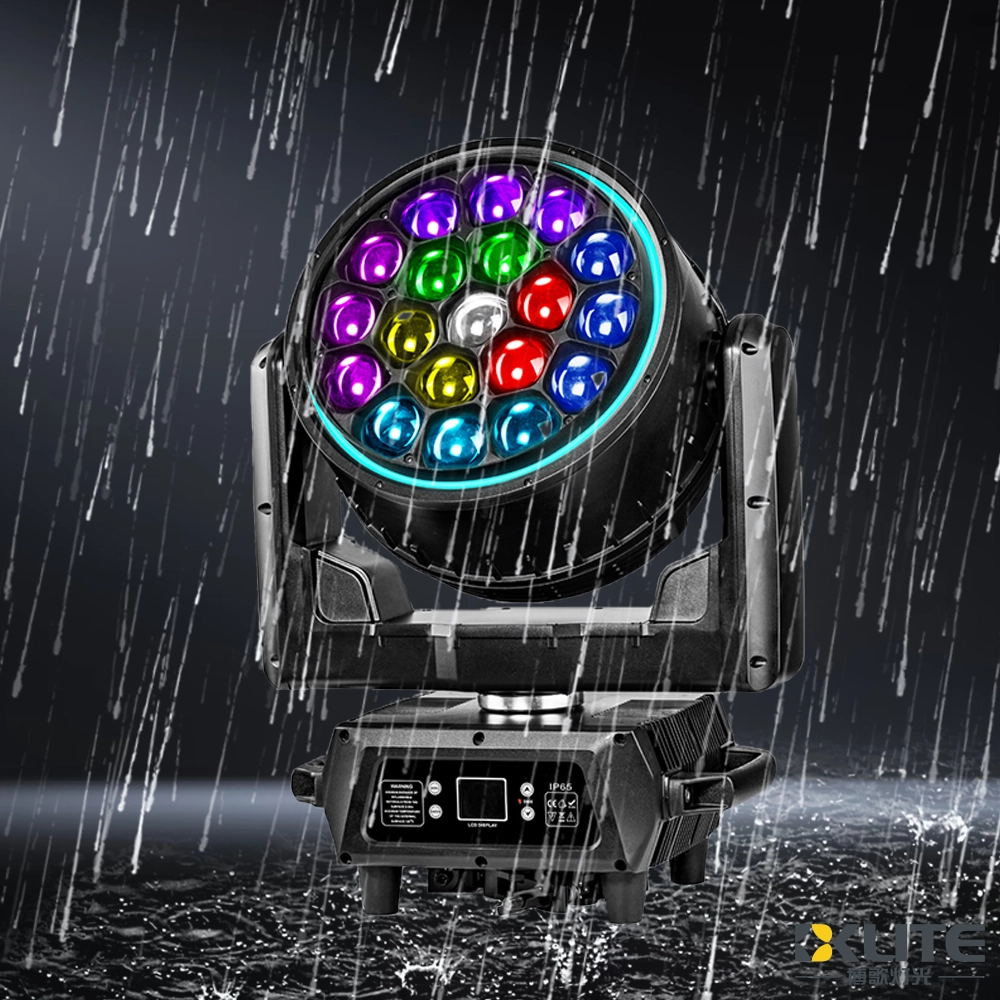
IP65 Waterproof Bee Eye Zoom 19x40W RGBW 4IN1 LED Beam Wash Moving Head Light with LED Ring
BKlite waterproof bee eye moving head light—your reliable choice from top waterproof moving head light manufacturers and suppliers. Ideal for outdoor stage, live event, music festival, this energy-saving fixture ensures powerful, precise illumination for any venue. It delivers powerful, reliable lighting performance in any weather.
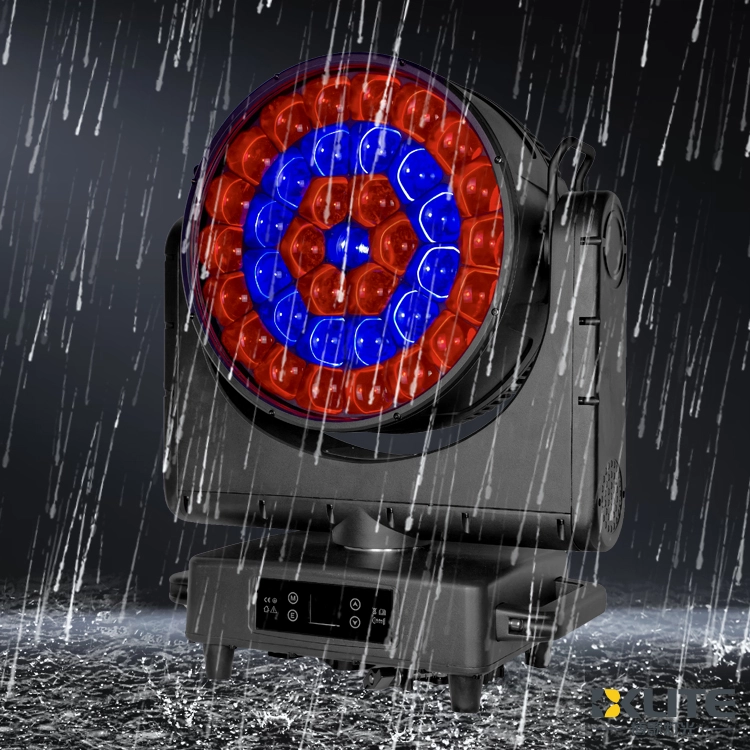
IP65 Waterproof ZOOM Bee Eye 37x40W RGBW 4in1 LED Moving Head Light
As a leading stage lighting equipment supplier with more than 15 years of industry know-how, BKlite brings you the IP65 ZOOM Bee Eye 37*40W RGBW 4in1 LED Moving Head Light (K25 Bee Eye) delivers vibrant, weatherproof lighting with powerful zoom and smooth movement. Ideal for dynamic stage effects, the K25 moving head light ensures stunning RGBW color mixing and reliable outdoor performance.
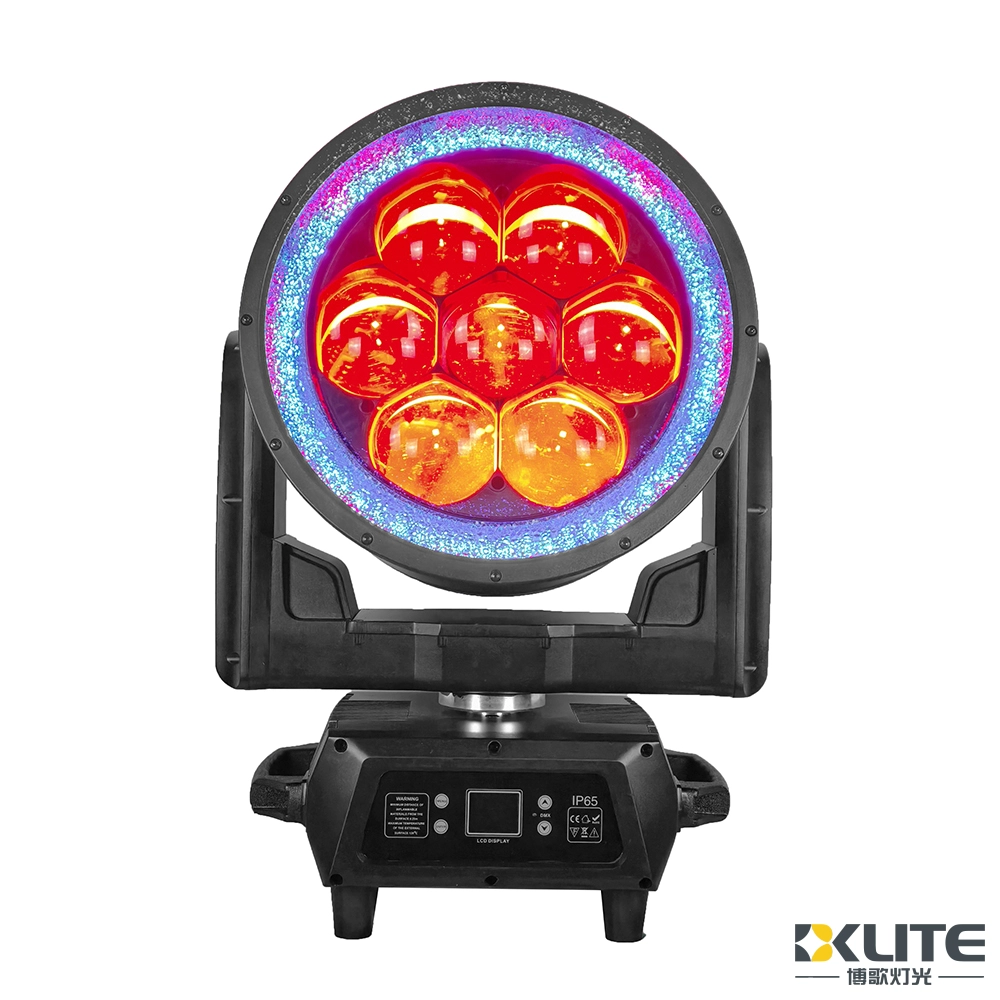
IP65 Waterproof Bee Eye 7x180W RGBL 4IN1 LED Moving Head Light With LED Ring
BKlite high power 7x180W waterproof bee eye moving head light—your reliable choice from top waterproof moving head light manufacturers and suppliers. Ideal for outdoor stage, live event, music festival, this energy-saving fixture ensures powerful, precise illumination for any venue. It delivers powerful, reliable lighting performance in any weather.
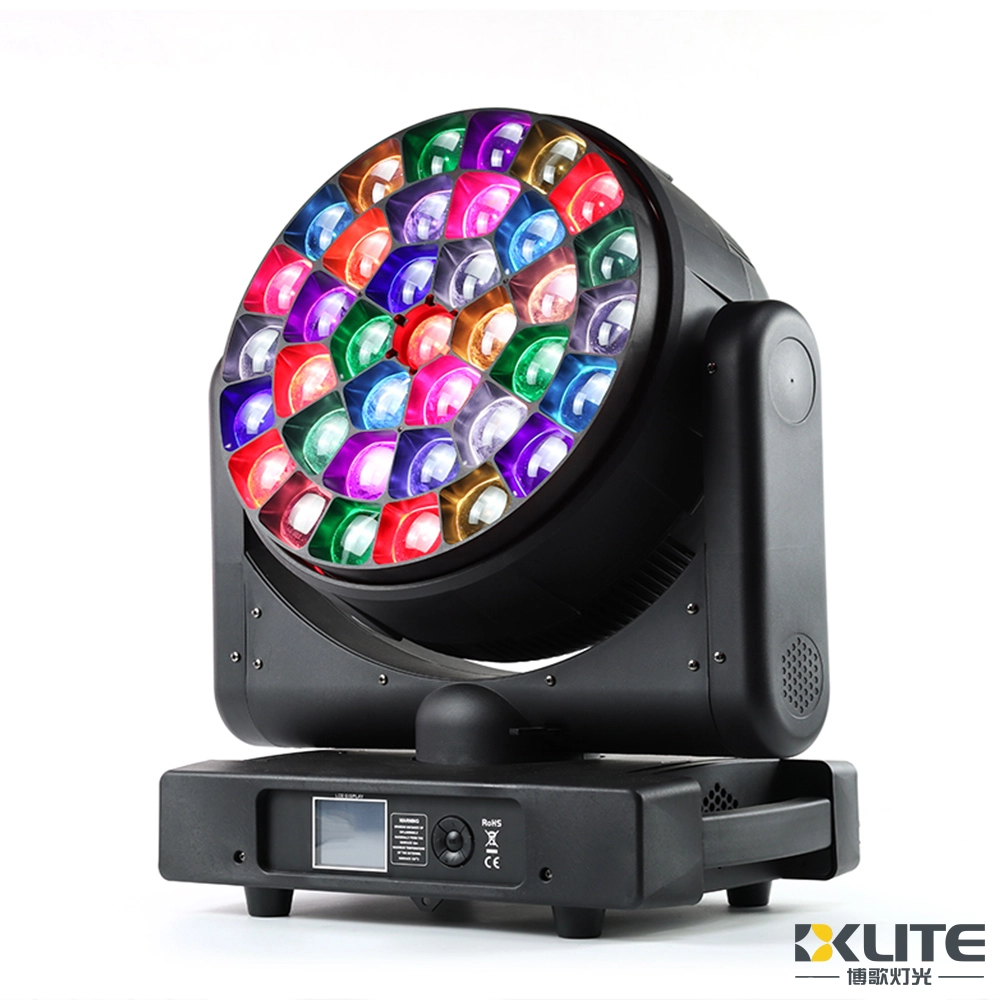
Bee Eye Zoom 37x40W RGBW 4in1 LED Beam Wash Moving Head Light


Copyright © 2025 BKLITE All Rights Reserved.