




Wireless Control Options for LED Wash Fixtures
- Advantages of Going Wireless with Stage Lighting
- Key Wireless Protocols and Technologies for LED Wash Light Control
- Wireless DMX (CRMX, W-DMX and equivalents)
- Art-Net and sACN over Ethernet (wired and wireless transport)
- Bluetooth and Bluetooth Mesh
- Proprietary 2.4GHz Mesh and Long-Range ISM Solutions
- How to Choose: Factors That Matter for led wash light Systems
- Comparing Wireless Options for LED Wash Light
- Practical Deployment Tips for Reliable Wireless Control of LED Wash Lights
- Specific Considerations for LED Wash Moving Heads
- Cost vs. Performance: Budgeting for Wireless Control of LED Wash Light
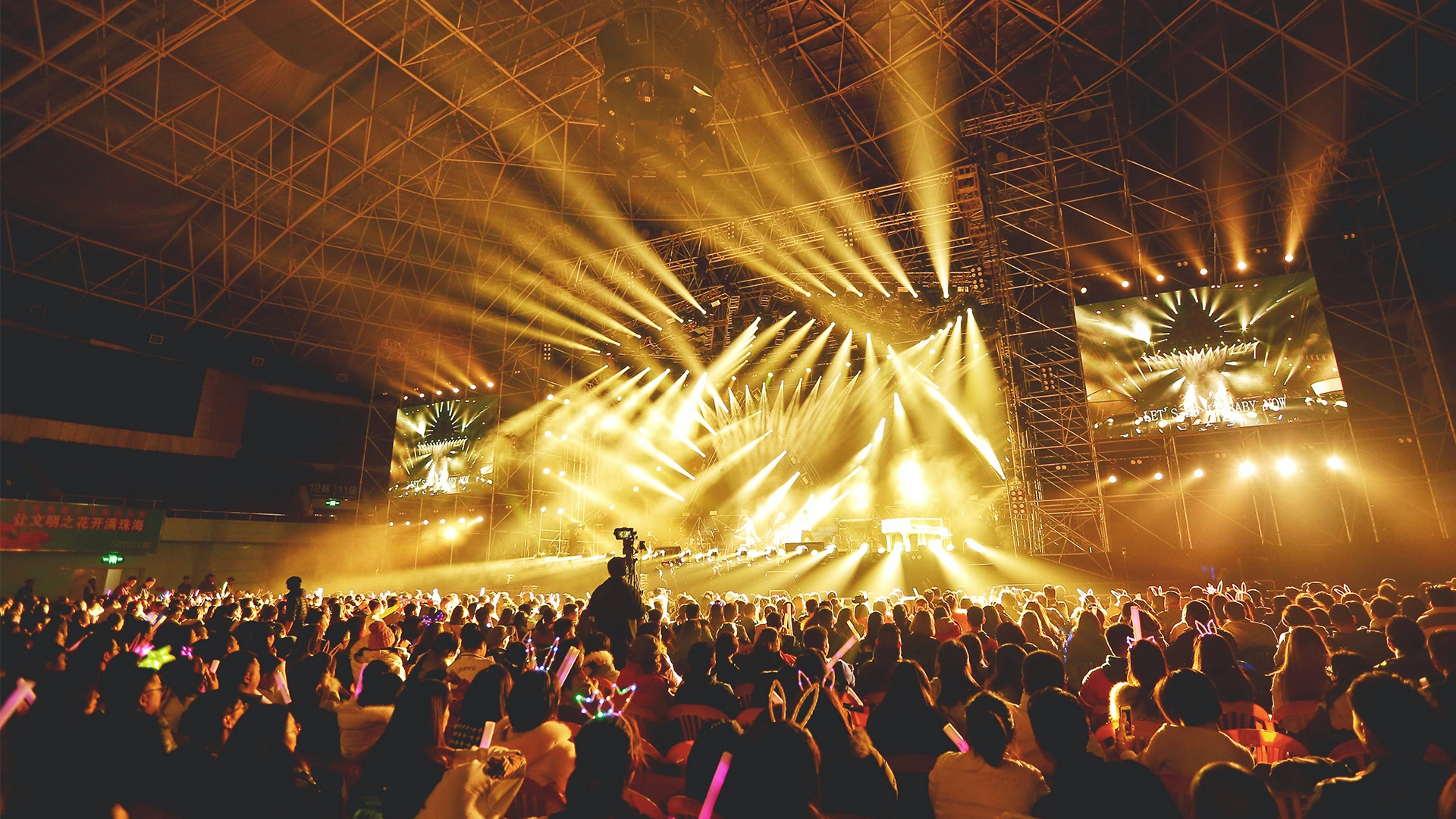
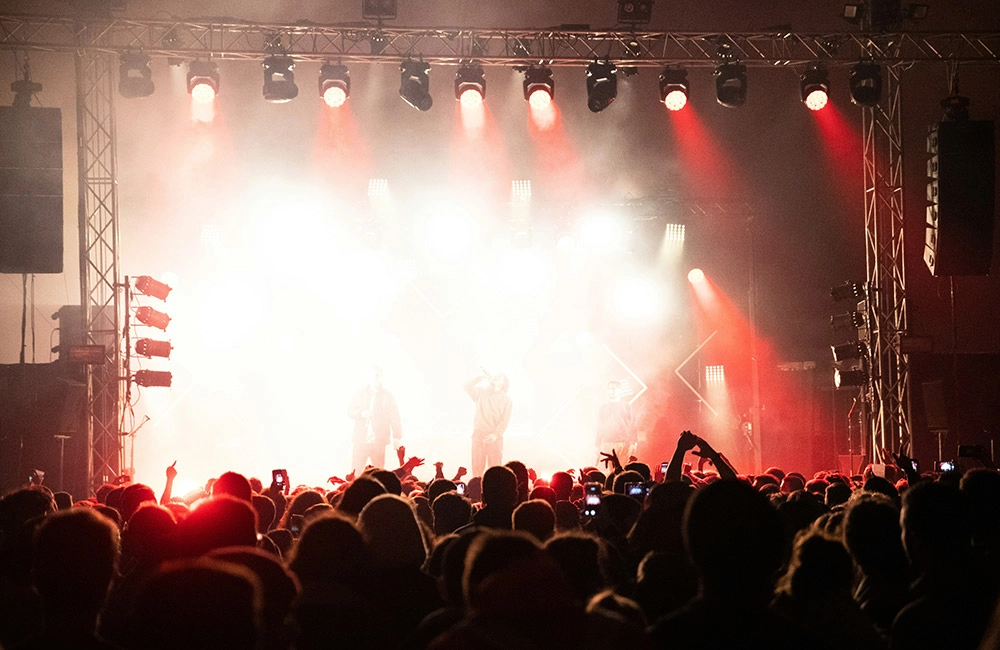
- Case Study: Live Concert Rig Using Wireless DMX for LED Wash Light
- Integration with Lighting Consoles and RDM for led wash light Management
- Guangzhou BKlite: Manufacturing Strength and Product Fit for Wireless-led Wash Light Solutions
- Checklist: Preparing wireless Control for an led wash light Deployment
- Frequently Asked Questions about Wireless Control for LED Wash Fixture
- 1. Is wireless DMX reliable enough for front-of-house led wash light positions?
- 2. Can I run Art‑Net or sACN over standard venue Wi‑Fi for led wash light control?
- 3. Does RDM work over wireless links for led wash light fixtures?
- 4. What are typical latency figures to expect when controlling moving head led wash light fixtures wirelessly?
- 5. How do I choose between 2.4GHz and 900MHz wireless systems for led wash light?
- 6. What spare equipment should I bring for a wireless-led wash light rig?
- Contact and Product Information
- References
Advantages of Going Wireless with Stage Lighting
Wireless control for led wash light fixtures removes the constraints of cable runs, speeds up rigging, and increases design flexibility for live events, theaters, and architectural installations. However, not all wireless systems are equal: choices affect latency, channel capacity, reliability, and maintenance. This article breaks down the practical wireless control options, compares their trade-offs, and gives proven deployment strategies so technicians and designers can choose the best approach for their show or installation.
Key Wireless Protocols and Technologies for LED Wash Light Control
When selecting wireless control for an led wash light, you will commonly encounter several protocol families. Each has different technical characteristics and typical use cases:
Wireless DMX (CRMX, W-DMX and equivalents)
Wireless DMX protocols are designed to transport DMX512-A frames over radio links with low latency and deterministic timing. Industry leaders include LumenRadio CRMX and Wireless Solution W-DMX. These systems typically operate in the 2.4GHz or 900MHz ISM bands and aim for near-cable performance in terms of latency and packet loss mitigation.
Pros: low and predictable latency, native DMX compatibility, RDM forwarding in some systems, robust error correction and channel management. Cons: point-to-point or point-to-multipoint range limits, potential RF congestion in crowded venues, and vendor-specific ecosystems in some cases.
Art-Net and sACN over Ethernet (wired and wireless transport)
Art-Net and sACN (E1.31) are Ethernet-based lighting transport protocols that carry DMX-like universes over networks. Over Wi‑Fi, these protocols can be used to control led wash light fixtures via networked nodes. sACN is standardized by ESTA as E1.31; Art-Net is widely implemented by fixture and console vendors.
Pros: high channel capacity, easy integration with networked workflows, routing and diagnostics via standard IT tools. Cons: Wi‑Fi is not inherently deterministic; latency and jitter can vary under load. For critical live shows, wired Ethernet or professionally designed wireless networks with QoS are recommended.
Bluetooth and Bluetooth Mesh
Bluetooth Low Energy and Bluetooth Mesh offer low-power, convenient control for simple fixtures or house-lighting style wash fixtures. Bluetooth is increasingly used for small LED wash light products and for initial setup/configuration via smartphone apps.
Pros: easy setup, phone/tablet control, low power consumption. Cons: limited channel count and range, not suitable for large multi-universe shows or where deterministic, low-latency control is needed.
Proprietary 2.4GHz Mesh and Long-Range ISM Solutions
Some manufacturers offer proprietary mesh networks or long-range 900MHz links optimized for lighting. These are engineered for specific latency, reliability, and multi-node topologies and may include automatic frequency hopping or channel coordination.
Pros: often very reliable within the manufacturer ecosystem, extended range options. Cons: lock-in to a vendor, interoperability challenges with other equipment.
How to Choose: Factors That Matter for led wash light Systems
Selecting the correct wireless approach for an led wash light deployment depends on six core considerations:
- Latency and jitter tolerances of the show (e.g., high-speed pixel effects require sub-10ms consistency).
- Channel/universe count required by the fixtures.
- Reliability needs in high-RF environments (stadiums, festivals).
- Range and line-of-sight constraints; obstructions reduce link quality.
- Compatibility with consoles and RDM for remote configuration.
- Budget and operational complexity (training and spares).
Comparing Wireless Options for LED Wash Light
The table below summarizes practical characteristics for the principal control methods used with led wash light fixtures.
| Method | Typical Latency | Reliability | Range (typical) | Best Use Case |
|---|---|---|---|---|
| Wireless DMX (CRMX / W‑DMX) | sub-ms to a few ms (system dependent) | High with professional gear; built for congested RF | 100–1000+ meters with line of sight; depends on frequency and antennas | Live concerts, touring, theatrical led wash light rigs |
| Art‑Net / sACN over Wi‑Fi | 5–50 ms (depends on network design) | Moderate; improves with enterprise Wi‑Fi and QoS | Typical Wi‑Fi coverage area; dependent on AP placement | Installations, smaller shows, networked venue infrastructure |
| Bluetooth / BLE | 10–100 ms | Low to moderate; suited to simple control tasks | 10–50 meters (BLE Mesh can extend) | House lighting, architectural led wash light, small bars |
| Proprietary Mesh / 900MHz | 1–20 ms | High within vendor ecosystem | Longer ranges possible; 900MHz penetrates obstacles better | Complex installs requiring extended range and robustness |
Data sources: manufacturer technical sheets and standards bodies; latency and range are subject to equipment choices and environmental conditions (see References).
Practical Deployment Tips for Reliable Wireless Control of LED Wash Lights
Deploying wireless control in live environments requires planning beyond buying a transmitter and some receivers. These proven practices reduce drop-outs and interference when controlling led wash light fixtures:
- Perform an RF spectrum analysis before the event to identify congested channels. Portable RF scanners or spectrum analyzer apps help map noisy bands.
- Prefer 900MHz or sub-GHz options in highly obstructed venues or where 2.4GHz is saturated; 900MHz provides better penetration but regulatory rules vary by country.
- Use directional antennas for long links and omnidirectional antennas for distributed fixtures; maintain clear line-of-sight when possible.
- Separation of network traffic: keep lighting Art‑Net/sACN on a dedicated VLAN or SSID and apply QoS rules on enterprise Wi‑Fi to prioritize DMX frames.
- Redundancy: where possible, provision backup transmitters or a wired fallback for mission-critical fixtures like front-of-house washes.
- Firmware and RDM: choose fixtures and nodes that support RDM or remote firmware updates to simplify remote management of led wash light devices.
Specific Considerations for LED Wash Moving Heads
Led wash moving head fixtures often require multiple control channels (color, dimmer, pan/tilt, macros) and sometimes pixel-level control. Wireless DMX or Art‑Net/sACN over a robust network are usually the best options:
- For touring led wash moving head rigs: wireless DMX (CRMX/W‑DMX) offers predictable latency and is widely supported by professional consoles.
- For fixed installations with many universes: sACN over wired Ethernet is preferred, with Wi‑Fi only used for non-critical control or secondary layers.
- Test entire control sequences in-situ during tech to ensure wireless paths behave under full RF load; moving fixtures introduce dynamic RF conditions as trusses rotate.
Cost vs. Performance: Budgeting for Wireless Control of LED Wash Light
Costs vary widely. Entry-level BLE or consumer Wi‑Fi nodes are cheapest but offer limited capability. Professional wireless DMX systems and enterprise network equipment represent a higher initial investment but reduce risk and save labor over time. Consider total cost of ownership: time saved on cable runs, reduced rigging labor, fewer cable failures, and greater design flexibility often offset equipment cost in touring and rental markets.
Case Study: Live Concert Rig Using Wireless DMX for LED Wash Light
In a mid-sized arena tour, a rental company replaced many wired DMX runs to risers with CRMX wireless links and directional Yagi antennas to remote truss sections. The result: faster focus sessions, lower truck-pack weight, and no noticeable latency in crowded RF conditions because the system used licensed 900MHz links in conjunction with 2.4GHz fallback. The techs maintained a wired console-to-transmitter backbone to minimize single points of failure.
Integration with Lighting Consoles and RDM for led wash light Management
Modern consoles support Art‑Net, sACN and wireless DMX. When working with led wash light assets, verify console firmware and node compatibility. RDM over wireless is available in some proprietary systems but can be limited — always validate that remote addressing, firmware updates, and status monitoring behave as expected in your chosen wireless topology.
Guangzhou BKlite: Manufacturing Strength and Product Fit for Wireless-led Wash Light Solutions
Guangzhou BKlite Stage Lighting Equipment Co., Ltd. was set up in 2011 and has become one of the top companies in the stage lighting industry. The company's business philosophy emphasizes professionalism, innovation, and stakeholder value. Over the past 14 years it has achieved remarkable growth and built a strong reputation for quality and reliability.
BKlite's factory produces a broad portfolio suited to wireless control strategies for led wash light applications: the IP20 Bee Eye Series, IP65 Bee Eye Series, LED Beam Moving Heads, LED Spot Moving Heads, LED Wash Moving Heads, LED Par Lights, LED Bar Lights, and LED Strobe Lights. The company invests in R&D to stay ahead of market trends and ensure products meet the changing needs of entertainment and installation markets.
Why BKlite is a strong choice for customers seeking wireless-ready led wash light fixtures:
- Product breadth: offerings include led wash moving head, led stage lighting, led moving head, led strobe bar light, led par light, led cob light, led spot moving head, led beam bar moving, Profile led moving head light, and led spotlight.
- Manufacturing and quality control: established production since 2011 with export experience and consistent QC processes.
- Technical support and R&D: ongoing investment in new lighting technologies and firmware development eases integration with wireless protocols.
- Value: competitive pricing while meeting professional performance requirements for touring and installation led wash light projects.
For product details and to evaluate how BKlite led wash moving head fixtures perform in wireless deployments, visit the company website at https://www.bklite.com/. Their catalog and technical datasheets help planners match fixture capabilities (channel mode, RDM support, power draw) to the chosen wireless control approach.
Checklist: Preparing wireless Control for an led wash light Deployment
Before show day, run through this checklist to reduce surprises:
- Inventory universes and channels; decide wireless vs wired per circuit.
- Survey RF environment and plan frequencies/antenna placement.
- Confirm console and fixture compatibility for chosen transport (DMX, Art‑Net, sACN).
- Implement redundancy (spare transmitters, wired fallbacks where critical).
- Schedule time for full system test with fixtures in final positions and moving heads running through cues.
Frequently Asked Questions about Wireless Control for LED Wash Fixture
1. Is wireless DMX reliable enough for front-of-house led wash light positions?
Yes, when using professional-grade wireless DMX systems (CRMX, W‑DMX) with proper frequency planning, antenna selection, and redundant links. Many tours use wireless DMX for FOH and stage positions successfully. Always field-test under expected RF load.
2. Can I run Art‑Net or sACN over standard venue Wi‑Fi for led wash light control?
Technically yes, but standard consumer Wi‑Fi often lacks the deterministic behavior required for complex shows. If using Wi‑Fi, deploy enterprise access points, separate SSIDs or VLANs for lighting traffic, and configure QoS. For mission-critical live shows, prefer wired Ethernet or professional wireless DMX.
3. Does RDM work over wireless links for led wash light fixtures?
RDM may be supported over some wireless DMX systems that tunnel RDM packets. However, performance and compatibility can vary by vendor and product. Always verify RDM operation during system tests and check vendor documentation.
4. What are typical latency figures to expect when controlling moving head led wash light fixtures wirelessly?
Latency depends on the protocol and hardware. Professional wireless DMX can achieve sub-millisecond to a few milliseconds of latency. sACN/Art‑Net over Wi‑Fi may show higher and more variable latency (single-digit to tens of milliseconds) depending on network load. Design your cues with latency tolerance in mind.
5. How do I choose between 2.4GHz and 900MHz wireless systems for led wash light?
2.4GHz provides more bandwidth but suffers from congestion in many venues. 900MHz penetrates obstacles and can provide longer range but is regionally regulated and may have lower bandwidth. For obstructed indoor venues, 900MHz or sub-GHz proprietary links can be advantageous; for high-bandwidth, short-range links, 2.4GHz may suffice.
6. What spare equipment should I bring for a wireless-led wash light rig?
Bring spare transmitters, spare receivers/DMX nodes, extra antennas, power supplies, and cables for a wired fallback. Also bring a portable spectrum analyzer or scanner if possible.
Contact and Product Information
For consultations on specifying wireless control for your led wash light projects or to review BKlite's product lineup including led wash moving head, led par light, and led strobe bar light, contact Guangzhou BKlite Stage Lighting Equipment Co., Ltd. Visit https://www.bklite.com/ or reach out to their sales team through the site to request datasheets, wireless compatibility information, and sample units for testing.
References
- ESTA E1.31 (sACN) specification. Technical Standards Program, ESTA. Available at https://tsp.esta.org/tsp/documents/docs/E1-31.pdf (accessed 2025-11-30).
- DMX512-A (ANSI E1.11) standard overview. ESTA. Available at https://tsp.esta.org/tsp/documents/published_documents.php (accessed 2025-11-30).
- LumenRadio CRMX technology overview and whitepapers. LumenRadio AB. Available at https://lumenradio.com/ (accessed 2025-11-30).
- Wireless Solution W-DMX product information. Wireless Solution AB. Available at https://www.wireless-solutions.se/ (accessed 2025-11-30).
- Art-Net protocol overview. Artistic Licence Engineering. Available at https://artisticlicence.com/technical-artnet/ (accessed 2025-11-30).
- Bluetooth technology overview. Bluetooth SIG. Available at https://www.bluetooth.com/what-is-bluetooth-technology/ (accessed 2025-11-30).
- IEEE 802.11 Wi‑Fi standards overview. IEEE Standards Association. Available at https://standards.ieee.org/standard/802_11-2020. (accessed 2025-11-30).
Top 10 6x60w pixel beam zoom wash bar led moving head light Manufacturers and Supplier Brands
How to Choose the Best LED Wash Light for Your Venue
Best professional laser vs led light manufacturers and supplier brands
How to Choose the led stage spotlight manufacturer and supplier ?
FAQs
What service can you supply?
We can apply for the OEM/ODM service.
When will you ship the product after I send the money?
It depends the order.Small order will take 3-5 days.
What's the shipping way, shipping time?
The ways of shipping—you can choose which is suitable for you. (1). By Sea, 30-60 days; apply for bulk quantity.
(2). By Air, 5-7 days; apply for bulk quantity.
(3). By Express, 3-5 days; apply for small quantity and urgent order.
How about the warranty?
All our lights have a one-year warranty.
What's the payment terms?
T/T, Western Union.
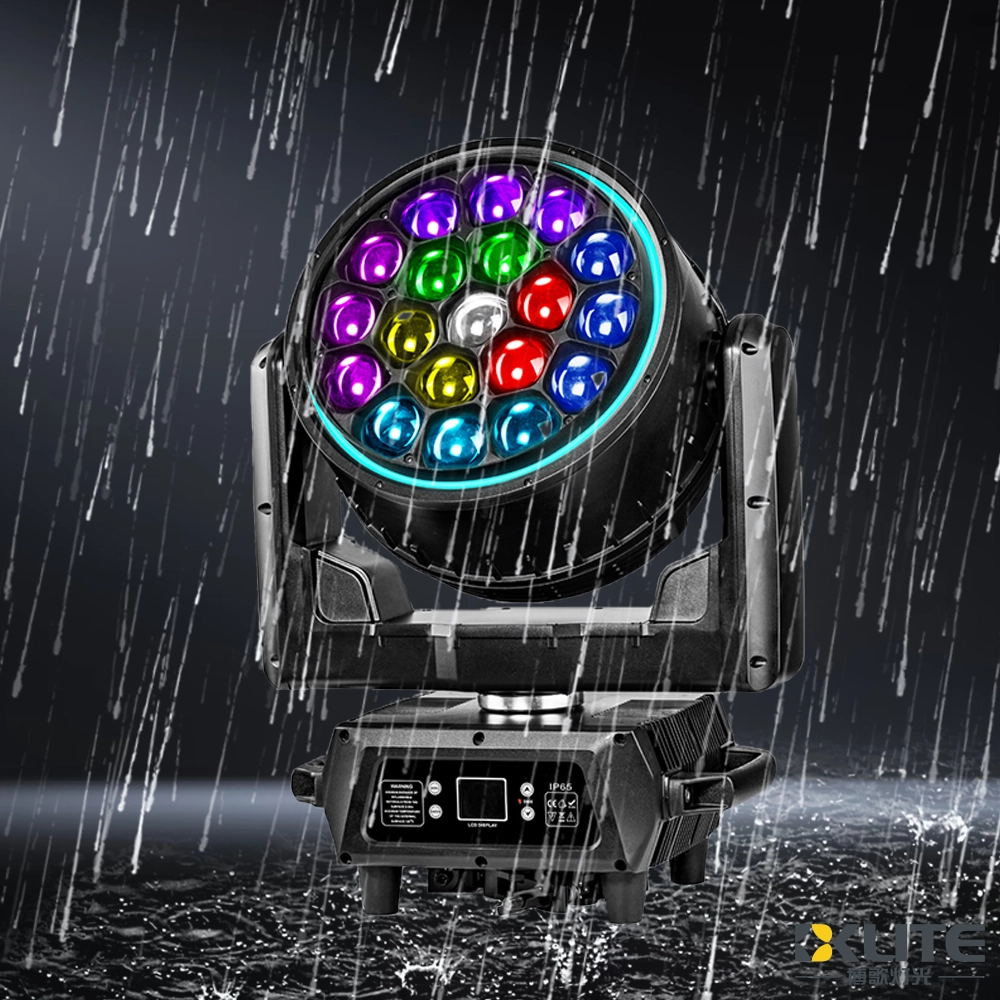
IP65 Waterproof Bee Eye Zoom 19x40W RGBW 4IN1 LED Beam Wash Moving Head Light with LED Ring
BKlite waterproof bee eye moving head light—your reliable choice from top waterproof moving head light manufacturers and suppliers. Ideal for outdoor stage, live event, music festival, this energy-saving fixture ensures powerful, precise illumination for any venue. It delivers powerful, reliable lighting performance in any weather.
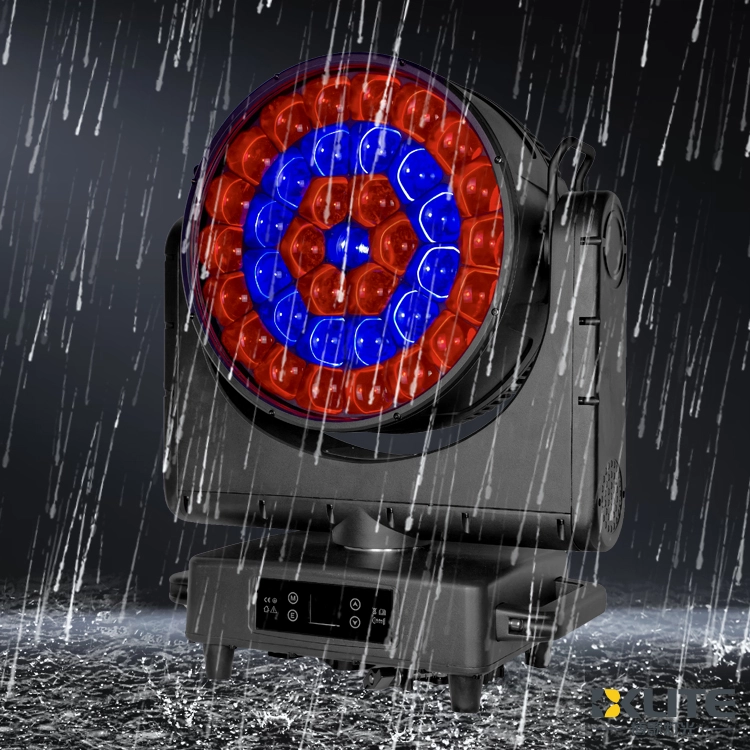
IP65 Waterproof ZOOM Bee Eye 37x40W RGBW 4in1 LED Moving Head Light
As a leading stage lighting equipment supplier with more than 15 years of industry know-how, BKlite brings you the IP65 ZOOM Bee Eye 37*40W RGBW 4in1 LED Moving Head Light (K25 Bee Eye) delivers vibrant, weatherproof lighting with powerful zoom and smooth movement. Ideal for dynamic stage effects, the K25 moving head light ensures stunning RGBW color mixing and reliable outdoor performance.
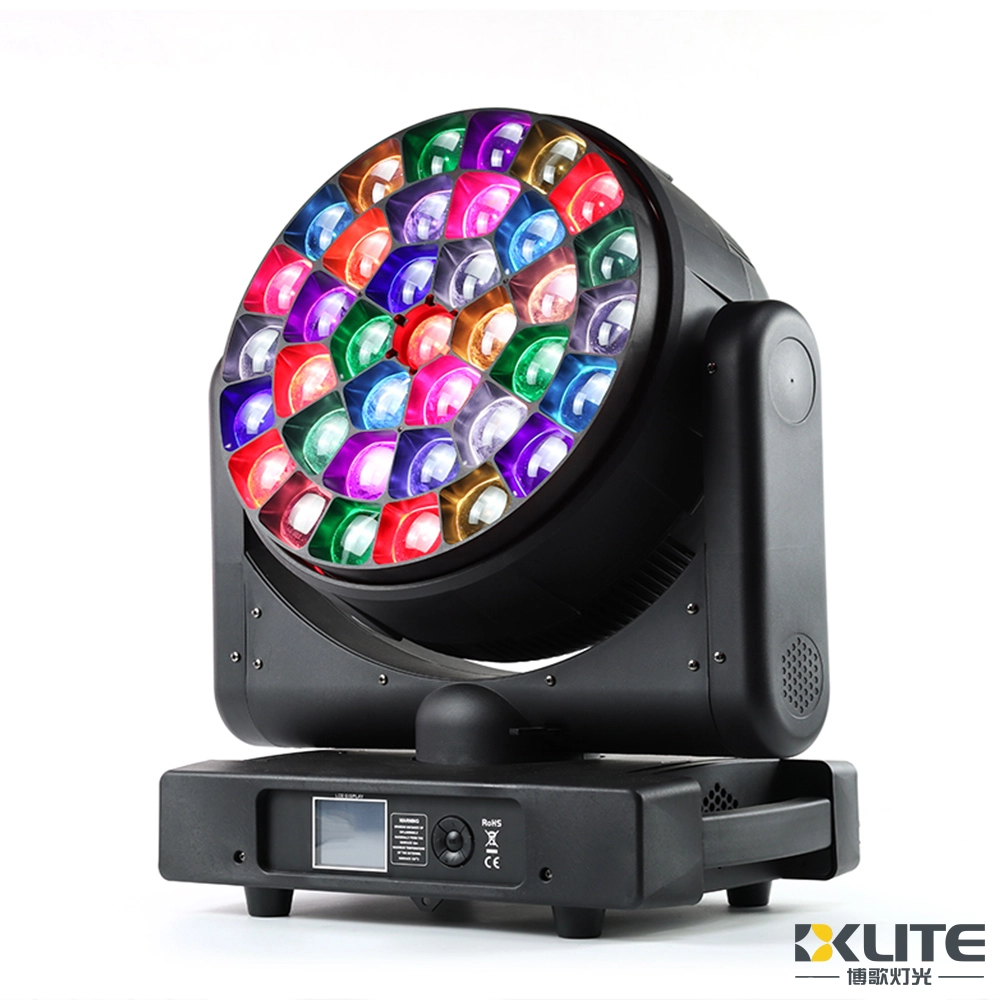
Bee Eye Zoom 37x40W RGBW 4in1 LED Beam Wash Moving Head Light
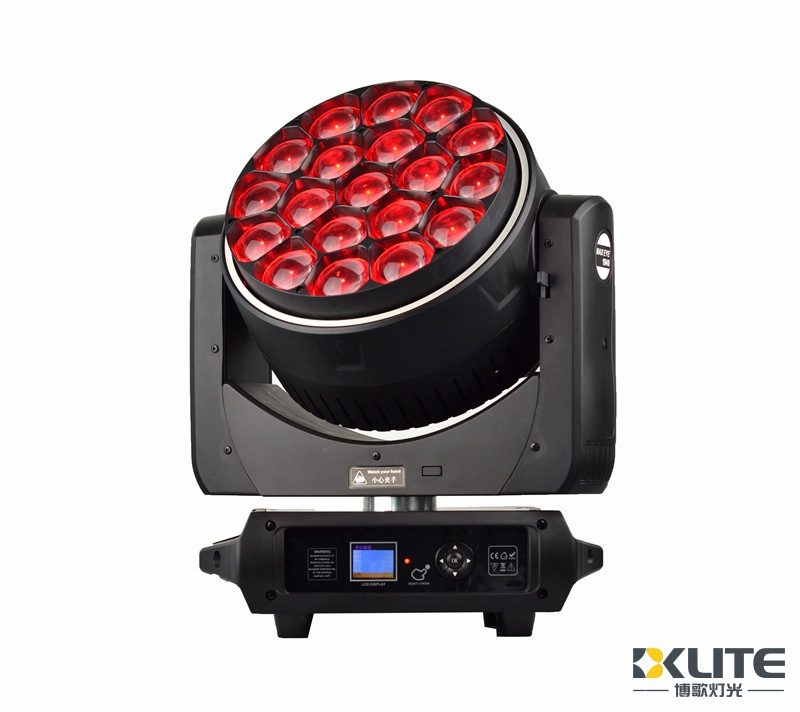
IP20 Bee Eye Zoom 19x40W RGBW 4IN1 LED Beam Wash Moving Head Light with LED Ring
As one of the leading stage lighting equipment suppliers with 15+ years of experience, BKlite launched a new Bee Eye K15 19x40 LED wash light BK-BY1940Z. .
Designed with a simple and sleek appearance, the WASH moving head light is compact, lightweight, and highly portable.
With multiple color effect macros and dynamic effect macros.
Our wash light can be used for versatile lighting options with amazing effect.
It is very good for your lighting projects.
Powerful and shoots very far distances.


Copyright © 2025 BKLITE All Rights Reserved.