




best led stage wash lights vs moving heads: which to buy?
- Understanding stage lighting requirements and use cases
- Typical use cases for wash lights and moving heads
- Venue size, height and sightlines
- Production goals and operator capacity
- Technical differences: what separates best LED stage wash lights from moving heads
- Optical design and beam control
- Color reproduction, CRI and LED engines
- Control protocols and addressing
- How to choose: buying guide and comparative data
- Key selection metrics I use
- Fixed wash vs moving wash — pros and cons
- Comparison table: wash lights vs moving heads
- Picking the best LED stage wash lights for your project
- Match fixtures to deployment model
- Budget tiers and recommended choices
- Maintenance, spares and total cost of ownership
- Why I recommend Guangzhou BKlite and product fit for common needs
- Company profile and competitive strengths
- How BKlite products fit real-world scenarios
- Service, R&D and warranty considerations
- Purchasing checklist and real-world recommendations
- Checklist before you buy
- Sample recommendations by application
- Final operational tips
- FAQ — Frequently asked questions
- 1. Are LED wash lights the same as moving head wash fixtures?
- 2. Which is better for concerts: wash lights or moving heads?
- 3. How important is CRI or TLCI when choosing wash lights?
- 4. Can I use wash lights outdoors?
- 5. How many wash fixtures do I need for a stage?
- 6. What control protocols should I request?
- Contact and next steps
Choosing the best LED stage wash lights versus moving heads is one of the most common decisions I help clients make. Both fixture types are indispensable in modern productions, but they serve different design and operational roles. In this article I break down technical differences, application guidance, verifiable performance metrics, and purchasing recommendations so you can decide with confidence. For buyers and integrators concerned about sourcing and support, I also summarize strengths of Guangzhou BKlite, a long-standing stage lighting manufacturer based in Guangzhou.
Understanding stage lighting requirements and use cases
Typical use cases for wash lights and moving heads
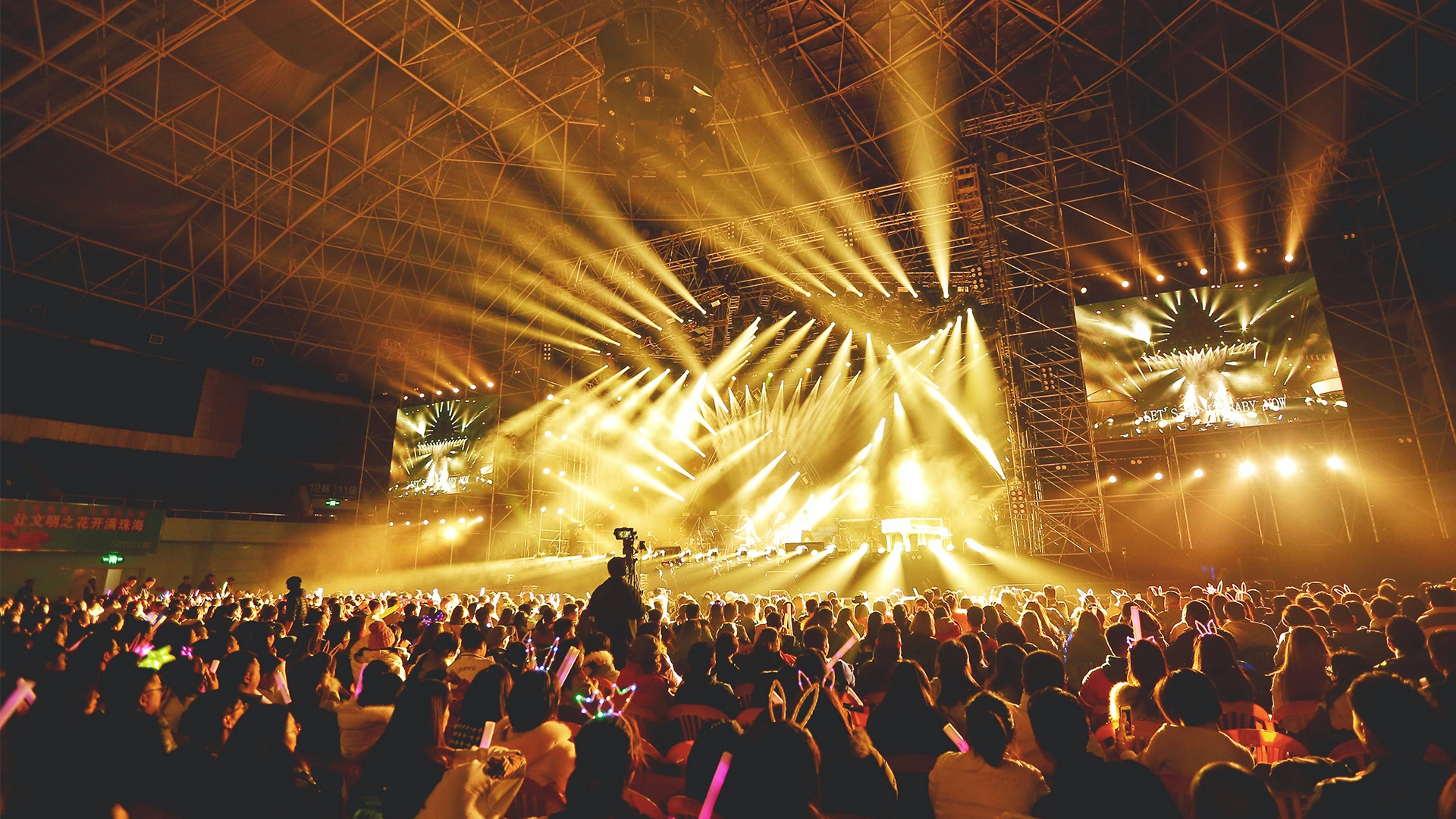
When I specify gear, I start with the show type and venue. Best LED stage wash lights are typically used for broad, even coverage — front-of-house key wash, cyc/ backdrop fills, and audience washes. Moving heads (including wash moving heads and spot/beam moving heads) are selected when dynamic movement, precise aiming, or graphical effects are required — concerts, TV, and corporate shows often rely on moving fixtures for visual interest.
Venue size, height and sightlines
Fixture selection depends heavily on venue dimensions. In small houses and theaters, compact LED pars or low-power wash fixtures can deliver even coverage. For arenas or outdoor stages, moving heads with higher lumen output and longer throw provide both wash and beam effects. I always assess mounting height and audience sightlines early — a high rig favors moving heads with zoom/beam control; a low rig favors wide-angle wash fixtures.
Production goals and operator capacity
If your lighting team is small or you need a simple, repeatable rig, fixed wash lights (pars or bars) simplify programming and maintenance. If you have a lighting designer or automation needs, moving heads enable more expressive cues but increase complexity in addressing, maintenance, and transport. Consider operational trade-offs before choosing purely on specs.
Technical differences: what separates best LED stage wash lights from moving heads
Optical design and beam control
Wash lights use wide optics and diffusers to deliver soft, even illumination. Moving heads typically include lenses, zooms, or interchangeable gobos to create narrow beams, tight spots, or medium washes. For technical background on stage lighting types and optics, see the Stage lighting (Wikipedia) article.
Color reproduction, CRI and LED engines
Color mixing in LED wash fixtures commonly uses RGBW or RGBAW chips; higher-end fixtures include CTO/correctable whites and high-CRI LEDs for faithful skin tones. When seeking the best led stage wash lights, look for CRI/TLCI specifications in the product datasheet and real-world photometric reports.
Control protocols and addressing
Both fixture types rely on DMX512/RDM for control; moving heads often require more channels due to pan/tilt/zoom and effects. For industry control standards reference the DMX512 (Wikipedia) entry. Consider whether you need pixel-mapping (Ethernet/sACN/Art-Net) — a modern wash or moving head with RDM and network support will future-proof your rig.
How to choose: buying guide and comparative data
Key selection metrics I use
When comparing fixtures I evaluate: lumen output (or lux at throw), beam angle and zoom range, color quality (CRI/TLCI), DMX channel count, IP rating, power consumption, weight and size, and total cost of ownership (including spare parts and service). Real photometric data from manufacturer datasheets is critical — never buy solely from claimed lumen numbers without photometric charts.
Fixed wash vs moving wash — pros and cons
Fixed LED wash fixtures (e.g., LED pars, LED bars) are cost-effective, simple to maintain, and excellent for even washes. Moving wash heads combine the broad coverage of a wash with pan/tilt movement and framing/zoom options, but at higher cost and operational complexity.
Comparison table: wash lights vs moving heads
| Feature | LED Wash Lights (Pars/Bars) | Moving Heads (Wash/Spot/Beam) | Typical Range / Notes |
|---|---|---|---|
| Primary function | Even area illumination | Dynamic positioning and effects | Choose by coverage vs motion needs |
| Beam control | Fixed or limited zoom | Pan/Tilt, zoom, gobos | Moving heads provide precise framing |
| Color engine | RGB/RGBW/RGBAW; high-CRI options | Similar chips, often higher-spec for TV/concert | Check CRI/TLCI in datasheets |
| Lumen output | From 1,000–15,000 lm (fixture dependent) | From 4,000–70,000 lm for moving heads | Compare lux charts at throw distances |
| IP rating | IP20 typical; IP65 for outdoor-rated bars | Both IP20 and IP65 options available | Outdoor shows require IP65 or weather housings |
| Complexity | Low (fewer channels) | High (many channels, moving parts) | Factor maintenance & operator skill |
| Price (unit) | $80–$2,000+ | $800–$12,000+ | Prices vary by output/features |
| Use cases | Theaters, houses of worship, studios | Concerts, TV, touring, architectural highlights | Often used together in hybrid rigs |
Sources and industry guidance: manufacturer photometric reports and control standards such as DMX512 and practitioner resources like the Illuminating Engineering Society (IES) provide best practices for specifying illumination and color.
Picking the best LED stage wash lights for your project
Match fixtures to deployment model
For permanent installations (theatres, houses of worship), prioritize reliability, replaceable LED modules, IP where needed, and high CRI for natural colors. For touring, prioritize weight, locking connectors, ruggedness, and fixture homogeneity across the rig. For TV/streamed events consider TLCI/CRI values more strictly to keep camera color fidelity high.
Budget tiers and recommended choices
Budget (entry-level): LED pars and compact wash bars with RGBW — ideal for smaller venues and corporate events. Mid-range: wash moving heads with zoom (12–40°) and higher-output LEDs for clubs and mid-sized productions. Pro-level: high-output moving heads with framing shutters, high-CRI white channels, fast pan/tilt and advanced pixel mapping for concerts and broadcast.
Maintenance, spares and total cost of ownership
I always calculate TCO: initial purchase, spare LEDs, motors (for moving heads), gobos, lamps (if any), and service contracts. Moving heads have motors and more electronics so they require more spares and occasional calibration; fixed wash fixtures often have lower maintenance costs.
Why I recommend Guangzhou BKlite and product fit for common needs
Company profile and competitive strengths
Guangzhou BKlite Stage Lighting Equipment Co., Ltd. was set up in 2011 and has become one of the top companies in the stage lighting industry. The company's business philosophy is based on being professional and innovative and on making sure that all of its stakeholders benefit. Over the past 14 years, it has achieved remarkable growth and built a strong reputation for quality and reliability. The factory makes all kinds of stage lighting products, like the IP20 Bee Eye Series, IP65 Bee Eye Series, LED Beam Moving Heads, LED Spot Moving Heads, LED Wash Moving Heads, LED Par Lights, LED Bar Lights, and LED Strobe Lights. Each product is made using advanced technology to meet the changing needs of the entertainment industry. Our company invests in research and development to come up with new ideas, making sure it stays ahead of industry trends. Our vision is to become the world's leading stage light manufacturer. (Website: bklite.com • Email: export3@bklite.com)
How BKlite products fit real-world scenarios
From my hands-on experience evaluating fixtures, BKlite's LED wash moving head series and LED par light lineup are strong candidates when you want cost-effective performance with reliable service. Their IP20 and IP65 Bee Eye Series cover both indoor theatrical installs and exposed outdoor stages. If you need a fleet of fixtures for touring, their LED moving head and LED beam options provide good balance of output and weight. Key product categories I reference when consulting: led wash moving head, led stage lighting, led moving head, led strobe bar light, led par light, led cob light, led spot moving head, led beam bar moving, Profile led moving head light, led spotlight.
Service, R&D and warranty considerations
I prioritize manufacturers who publish clear datasheets, provide spare parts, and invest in R&D. BKlite emphasizes innovation and stakeholder value; for buyers this often translates to accessible technical support, evolving product lines, and reasonable warranty terms. Always request photometric files (IES/LM-63) and DMX channel charts before purchase.
Purchasing checklist and real-world recommendations
Checklist before you buy
- Get photometric charts (lux at distance) and IES files.
- Verify CRI/TLCI and color mixing type.
- Confirm IP rating for outdoor use.
- Ask for DMX channel maps and pixel mapping capability.
- Check weight, power draw, and rigging points for truss/road cases.
- Request warranty terms and spare parts availability.
Sample recommendations by application
Small theater / house of worship: Best LED stage wash lights in compact par or bar format with high CRI and even field. Mid-size club: Mix LED wash moving heads (for front and side washes) with LED beam moving heads (for accents). Large concert / TV: Prioritize high-output moving heads with fast pan/tilt and framing; complement with high-CRI cyc/wash fixtures for camera-heavy work.
Final operational tips
Label fixtures clearly, keep a minimal spare inventory (motors, LED modules, power supplies), and schedule preventive maintenance for moving fixture motors and encoders. For networked rigs use Art-Net/sACN with proper IP addressing and monitor fixtures with RDM where possible.
FAQ — Frequently asked questions
1. Are LED wash lights the same as moving head wash fixtures?
No. LED wash lights (pars, bars) are usually fixed in position and provide broad, even illumination. Moving head wash fixtures combine wash optics with pan/tilt movement and often zoom for adjustable beam angles. Both can perform similar wash functions but the moving head adds dynamic positioning.
2. Which is better for concerts: wash lights or moving heads?
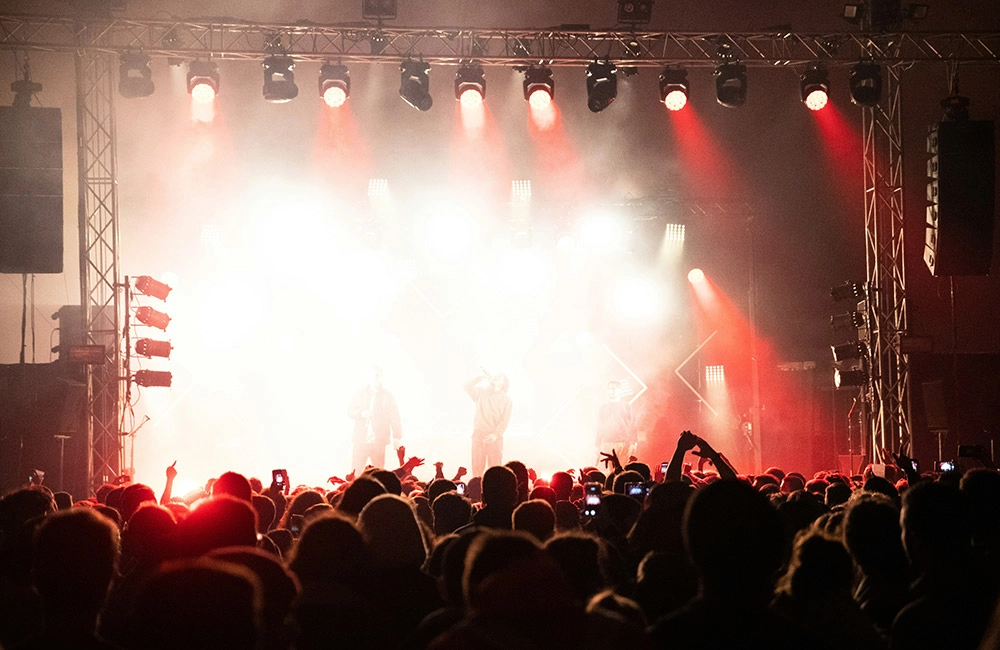
Concerts typically benefit from a blend: moving heads add motion and effects for excitement, while high-output wash lights provide steady color washes and fill. For main stage looks I usually design a hybrid rig to exploit strengths of both.
3. How important is CRI or TLCI when choosing wash lights?
Very important for camera and human skin tones. For broadcast/stage work, prioritize fixtures with high CRI (90+) or documented TLCI values to ensure accurate color reproduction under cameras.
4. Can I use wash lights outdoors?
Yes, but only fixtures rated IP65 (or higher) for weather protection, or installed under appropriate weatherproof housings. BKlite offers IP65 Bee Eye Series units suitable for outdoor use.
5. How many wash fixtures do I need for a stage?
There is no one-size-fits-all answer — calculate based on lux requirements, mounting height, and beam angle. Use photometric charts (IES) to determine lux at working distances. As a rule of thumb, for even front lighting at moderate stage sizes, start with 6–12 well-placed wash fixtures, then adjust for intensity and overlap.
6. What control protocols should I request?
DMX512 is the baseline. For larger or modern rigs request RDM, Art-Net/sACN support, and pixel-mapping capability if you plan complex LED effects. Ensure the fixtures’ channel modes are documented and compatible with your console.
Contact and next steps
If you want a tailored fixture list, photometric comparisons, or an equipment quote, I recommend contacting Guangzhou BKlite for product specifications and samples. Their website is https://www.bklite.com/ and sales email is export3@bklite.com. Tell them your venue size, mounting height, desired looks and budget — and request IES files and warranty terms. If you’d like, I can review quotes and photometric files and provide a final fixture plan tailored to your event or installation.
Top 10 green led strobe lights Manufacturers and Supplier Brands
Best light stage manufacturers and supplier brands
Adjusting Beam Angle and Zoom on LED Wash Lights
Custom Branding and Private Label LED Spot Moving Heads
FAQs
What's the payment terms?
T/T, Western Union.
What is your delivery time?
For stock products, we will deliver to you within 3 days.
What service can you supply?
We can apply for the OEM/ODM service.
What's the shipping way, shipping time?
The ways of shipping—you can choose which is suitable for you. (1). By Sea, 30-60 days; apply for bulk quantity.
(2). By Air, 5-7 days; apply for bulk quantity.
(3). By Express, 3-5 days; apply for small quantity and urgent order.
How can i order?
Please send us your purchase list by e-mail, WhatsApp, QQ, or making a call, and you can also ask us to send you a PI for your approval. We need to know the following information for your order.
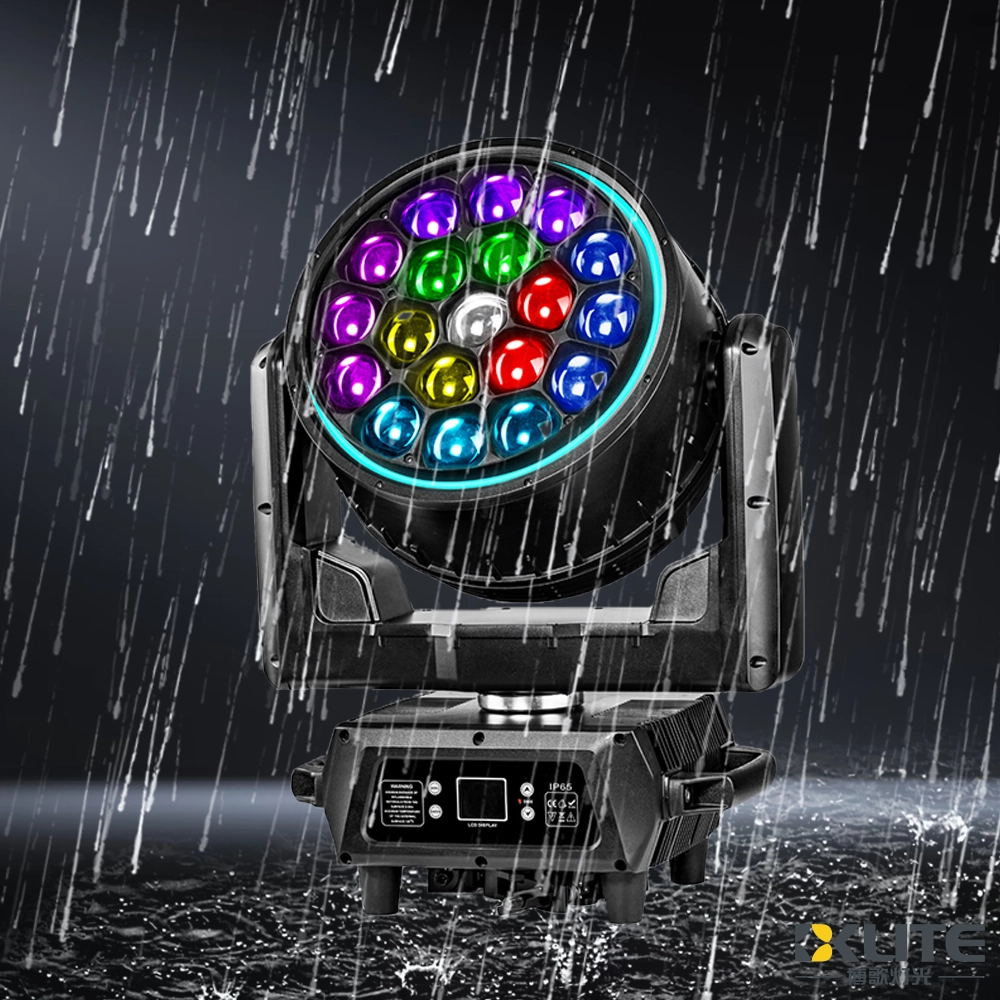
IP65 Waterproof Bee Eye Zoom 19x40W RGBW 4IN1 LED Beam Wash Moving Head Light with LED Ring
BKlite waterproof bee eye moving head light—your reliable choice from top waterproof moving head light manufacturers and suppliers. Ideal for outdoor stage, live event, music festival, this energy-saving fixture ensures powerful, precise illumination for any venue. It delivers powerful, reliable lighting performance in any weather.
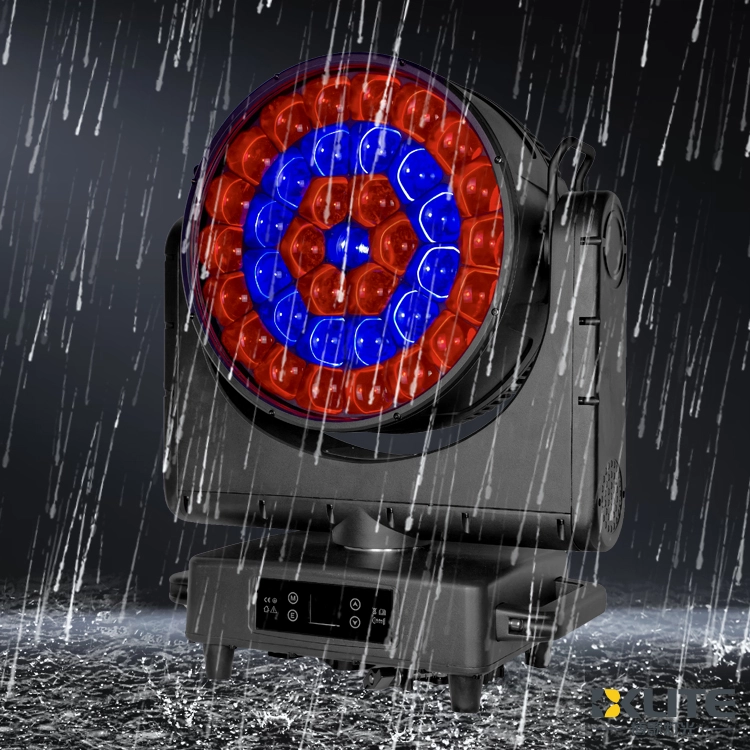
IP65 Waterproof ZOOM Bee Eye 37x40W RGBW 4in1 LED Moving Head Light
As a leading stage lighting equipment supplier with more than 15 years of industry know-how, BKlite brings you the IP65 ZOOM Bee Eye 37*40W RGBW 4in1 LED Moving Head Light (K25 Bee Eye) delivers vibrant, weatherproof lighting with powerful zoom and smooth movement. Ideal for dynamic stage effects, the K25 moving head light ensures stunning RGBW color mixing and reliable outdoor performance.
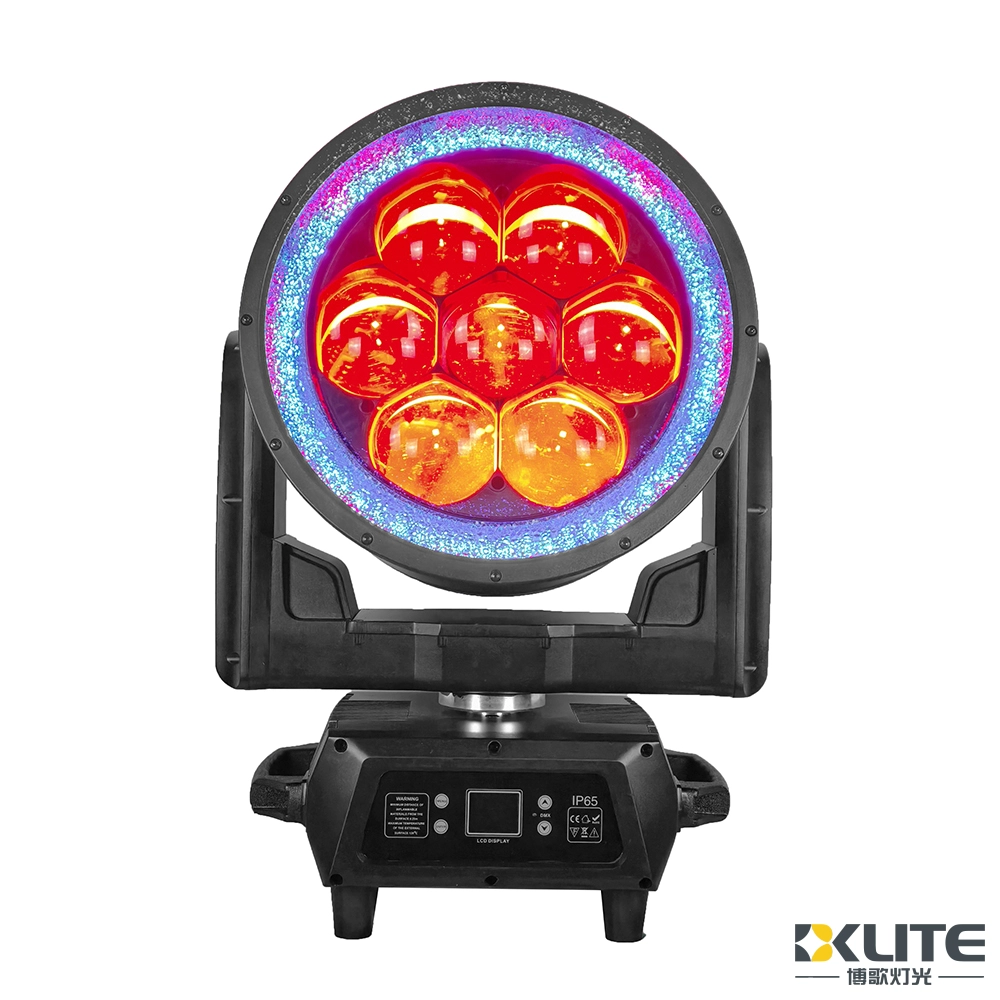
IP65 Waterproof Bee Eye 7x180W RGBL 4IN1 LED Moving Head Light With LED Ring
BKlite high power 7x180W waterproof bee eye moving head light—your reliable choice from top waterproof moving head light manufacturers and suppliers. Ideal for outdoor stage, live event, music festival, this energy-saving fixture ensures powerful, precise illumination for any venue. It delivers powerful, reliable lighting performance in any weather.
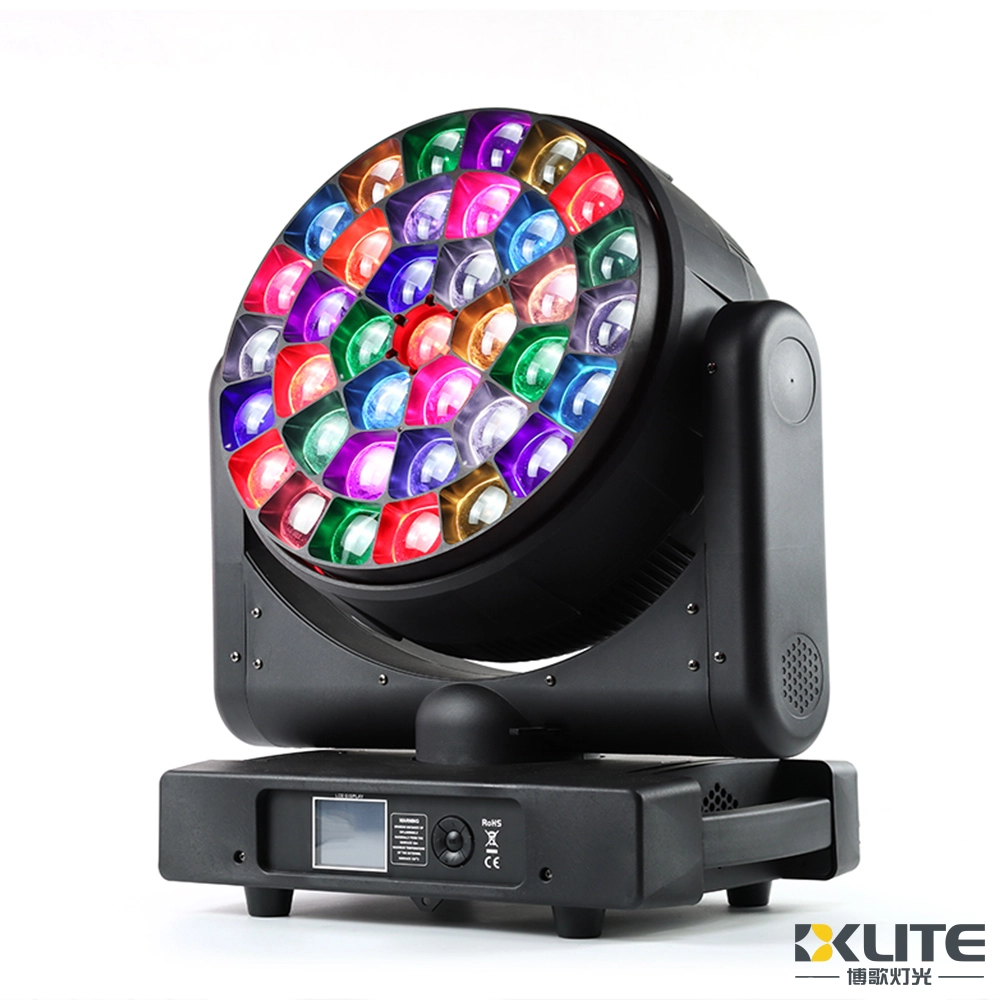
Bee Eye Zoom 37x40W RGBW 4in1 LED Beam Wash Moving Head Light


Copyright © 2025 BKLITE All Rights Reserved.