




Color Mixing and Beam Light Color Wheels Explained
- Understanding Light Color Fundamentals
- Color basics every Stage Beam Light operator should know
- How additive color mixing works in modern beam fixtures
- RGB, RGBW, RGBA and beyond: core concepts for Stage Beam Light
- CMY and subtractive color mixing: when it still matters
- How CMY presets compare for wash vs beam use
- Color wheels explained: structure and role in beam fixtures
- Fixed, rotating, indexed and dichroic color wheels for Stage Beam Light
- Comparison: Color mixing engines and color wheel systems
- Choose the right approach for your Stage Beam Light needs
- How beam optics interact with color
- Optical considerations for Stage Beam Light designers
- Control and calibration: DMX, color profiles and practical tips
- Programming color for consistent Stage Beam Light results
- Maintenance and reliability: extending the life of color wheels and LED engines
- Practical maintenance for long-term Stage Beam Light operation
- Buying guide: selecting Stage Beam Light fixtures for your venue
- Match color technology to your application
- BKlite: company profile and product strengths for Stage Beam Light solutions
- Who we are and what sets BKlite apart
- BKlite product highlights and competitive advantages
- Troubleshooting common color issues in Stage Beam Light rigs
- Practical fixes for color inconsistency and flicker
- FAQ
- 1. What is the difference between RGB and CMY in beam lights?
- 2. Are color wheels still relevant for modern Stage Beam Light rigs?
- 3. How do I minimize color fringing in LED beam fixtures?
- 4. Can LEDs replace discharge beam lights for long-throw applications?
- 5. What should I consider when programming color for broadcast or camera work?
- 6. How often should I service color wheels and LED engines?
- Contact and product inquiry
- Talk to lighting experts or see BKlite products
- References and further reading
Understanding Light Color Fundamentals
Color basics every Stage Beam Light operator should know
Stage Beam Light designers and technicians must understand how color is created and perceived before selecting fixtures or programming looks. Color in lighting is created either additively (combining light wavelengths like RGB) or subtractively (filtering a broad-spectrum source with gels or dichroics). Additive color mixing is the basis of most modern LED-based beam lights, while subtractive methods appear in color wheels and traditional gel/color scroller systems.
How additive color mixing works in modern beam fixtures
RGB, RGBW, RGBA and beyond: core concepts for Stage Beam Light
Additive mixing places independent colored light sources (usually LEDs) in the same optical path so their outputs overlap and the eye perceives the summed color. Common palettes include:
- RGB: Red, Green, Blue – basic full-color coverage for many fixtures.
- RGBW: Adds a white LED to improve pastel and white rendition without overdriving RGB emitters.
- RGBA/RGBWA: Adds amber or amber+white to expand gamut and skin-tone rendition.
For Stage Beam Light applications, additive engines provide very saturated colors and instant color changes (no moving parts). However, color uniformity across narrow beams depends on precise LED placement and optics. Fixtures with more LED channels (RGBAW) typically reproduce smoother whites and warmer tones than RGB alone.
CMY and subtractive color mixing: when it still matters
How CMY presets compare for wash vs beam use
CMY mixing is subtractive: cyan, magenta and yellow filters subtract portions of a white source's spectrum to create colors. Traditionally used in discharge lamp fixtures (e.g., HMI or discharge profile moving heads), CMY produces continuous color changes with very wide gamut for saturated tones. For Stage Beam Light shows that require very deep saturated colors with rotating gobos and long-throw beams, CMY-equipped discharge fixtures remain popular.
Color wheels explained: structure and role in beam fixtures
Fixed, rotating, indexed and dichroic color wheels for Stage Beam Light
Color wheels are mechanical assemblies with multiple color filters (or dichroic segments) mounted on a wheel that moves into the light path. Typical types:
- Fixed indexed color wheel: the wheel steps between positions to select discrete colors.
- Rotating color wheel: continuous rotation for color strobing or sweep effects.
- Dichroic color wheel: uses dichroic glass for higher transmission and heat resistance vs gels.
Color wheels remain common in 'beam' heads, particularly in profile and spot moving lights with discharge lamps. They provide crisp, saturated hues and can be combined with gobos for textured, colored beams.
Comparison: Color mixing engines and color wheel systems
Choose the right approach for your Stage Beam Light needs
The following table summarizes advantages and trade-offs of each approach for practical decision-making.
| System | How it works | Advantages | Disadvantages | Typical Stage Beam Light use |
|---|---|---|---|---|
| RGB / RGBW LEDs | Additive mixing of LED emitters | Fast, no moving parts, energy efficient, low heat | Limited gamut for warm whites (RGB), potential beam color edge artifacts | Concerts, clubs, moving head beam effects |
| RGBA / RGBWA | Additive with amber/white channels | Broader gamut, better whites and skin tones | Higher cost, more channels to control | TV, theater, higher-end concert rigs |
| CMY (discharge) | Subtractive mixing via dichroic filters | Deep saturation, seamless color blends | Consumes more power, emits heat, requires warm-up | Large-venue beams, profile fixtures, theatrical work |
| Color wheels (dichroic/gel) | Mechanical filters into beam path | High transmission, simple indexed colors, iconic looks | Moving parts wear, limited to wheel colors | Spot/beam fixtures, theatrical specials |
How beam optics interact with color
Optical considerations for Stage Beam Light designers
Beam fixtures concentrate light through lenses and reflectors. Narrow beams exaggerate any color fringing between multiple emitters, so optical homogenization (integrator rods, flying mirror banks or precise lens grouping) matters. In LED beam moving heads, homogenizers and secondary optics reduce color separation and make colors look uniform downstage. In discharge fixtures, a single white source filtered by CMY or color wheels avoids multi-source fringing but requires different thermal management.
Control and calibration: DMX, color profiles and practical tips
Programming color for consistent Stage Beam Light results
Most fixtures use DMX512 (or sACN) to control color channels. Best practices:
- Create and store color macros or palettes on consoles for consistent looks.
- Measure critical whites and flesh tones with a color meter or camera reference and adjust per patch.
- Use cross-fading rather than stepping to avoid abrupt color changes on sensitive cues.
- When mixing LEDs, avoid maxing all channels to reach 'white' — use dedicated white channels if available (RGBW/RGBWA).
Maintenance and reliability: extending the life of color wheels and LED engines
Practical maintenance for long-term Stage Beam Light operation
Color wheels are subject to mechanical wear: bearings, motors and indexing sensors need periodic inspection. Use these maintenance steps:
- Inspect wheel centering and runout every 6 months for heavy rigs.
- Clean dichroic segments with approved cleaners; avoid abrasive materials.
- For LEDs, ensure proper thermal management — dust on heatsinks reduces lifetime and color consistency.
- Keep firmware up to date: many modern fixtures receive color correction improvements via firmware.
Buying guide: selecting Stage Beam Light fixtures for your venue
Match color technology to your application
Consider the following when choosing fixtures:
- Desired look: saturated static colors (LED) vs seamless color blends (CMY).
- Budget and power: LED solutions are more energy efficient and require less cooling.
- Maintenance tolerance: fewer moving parts reduces downtime and service costs.
- Long throw vs short throw: high-output discharge beams may outperform LEDs at very long distances, but high-power LEDs are narrowing the gap.
BKlite: company profile and product strengths for Stage Beam Light solutions
Who we are and what sets BKlite apart
Guangzhou BKlite Stage Lighting Equipment Co., Ltd. was set up in 2011 and has become one of the top companies in the stage lighting industry. The company's business philosophy is based on being professional and innovative and on making sure that all of its stakeholders benefit. Over the past 14 years, it has achieved remarkable growth and built a strong reputation for quality and reliability.
The factory makes all kinds of stage lighting products, like the IP20 Bee Eye Series, IP65 Bee Eye Series, LED Beam Moving Heads, LED Spot Moving Heads, LED Wash Moving Heads, LED Par Lights, LED Bar Lights, and LED Strobe Lights. Each product is made using advanced technology to meet the changing needs of the entertainment industry. Our company invests in research and development to come up with new ideas, making sure it stays ahead of industry trends. Our vision is to become the world's leading stage light manufacturer. Website: https://www.bklite.com/
BKlite product highlights and competitive advantages
Key product categories and advantages relevant to Stage Beam Light buyers:
- LED Wash Moving Head: smooth CMY-like mixing with LED efficiency for architectural and concert washes.
- LED Stage Lighting & LED Moving Head: high-output LED engines, precise beam control and advanced optics reduce color fringing.
- LED Strobe Bar Light & LED Par Light: reliable, compact and easy to integrate into multi-fixture rigs.
- LED COB Light & LED Spot Moving Head: excellent color rendering and tight-beam capabilities for profiles and specials.
- LED Beam Bar Moving & Profile LED Moving Head Light: versatile options for beam shows with crisp color and gobos.
BKlite differentiates itself with focused R&D investment, strict quality control in the factory, and a product range that covers both IP20 indoor and IP65 outdoor options—helpful for touring, rigging and fixed installations. Their combined portfolio supports both additive LED color engines and fixtures that use color wheels or dichroic systems, allowing integrators to choose the best technology per application.
Troubleshooting common color issues in Stage Beam Light rigs
Practical fixes for color inconsistency and flicker
- Color banding or fringing: check LED lens alignment and homogenizer integrity; recalibrate color macros.
- Weird color shift over time: inspect LED driver temperatures and aging LEDs; compare against a new fixture for reference.
- Color wheel indexing errors: inspect position sensors and replace worn bearings; verify DMX channel mapping.
- Flicker at camera frame rates: engage fixture's high-frequency PWM mode or use fixtures rated for broadcast/TV use.
FAQ
1. What is the difference between RGB and CMY in beam lights?
RGB is additive and uses multiple colored emitters to create colors, ideal for LED fixtures with quick changes. CMY is subtractive, filtering a white source to create colors and is common in discharge fixtures for very deep saturated tones and smooth blends.
2. Are color wheels still relevant for modern Stage Beam Light rigs?
Yes. Color wheels provide specific, high-transmission colors and classic looks in profile and spot fixtures. They remain relevant where indexed, dichroic colors or combined gobo+color effects are desired.
3. How do I minimize color fringing in LED beam fixtures?
Use fixtures with good optical homogenization, position homogenizers or integrator rods if available, and calibrate colors in the rig. Proper lens alignment during maintenance reduces visible fringing.
4. Can LEDs replace discharge beam lights for long-throw applications?
High-power LEDs have narrowed the gap and can be suitable for many long-throw situations. For extreme long-throw and ultra-bright profile beams, some high-output discharge fixtures still have an advantage, but LEDs are often preferred for lower running costs and maintenance.
5. What should I consider when programming color for broadcast or camera work?
Ensure fixtures support high PWM frequency or broadcast modes to avoid flicker, use accurate white balance references, and test colors on camera for skin tones and highlights. Choose LED engines with broader gamut (RGBA/RGBWA) or use fixtures designed for TV/film.
6. How often should I service color wheels and LED engines?
Inspect mechanical color wheels every 6–12 months in heavy-use environments. LED fixtures benefit from quarterly visual inspection and cleaning; thermal management components may require more frequent checks in dusty or high-temperature conditions.
Contact and product inquiry
Talk to lighting experts or see BKlite products
If you need help selecting Stage Beam Light fixtures, color engines, or want product specifications and quotations, contact Guangzhou BKlite Stage Lighting Equipment Co., Ltd. Visit https://www.bklite.com/ to view the full product range or request a consultation. Our team can recommend LED wash moving heads, LED stage lighting, LED moving heads, LED strobe bar light, LED par light, LED COB light, LED spot moving head, LED beam bar moving, Profile LED moving head light, and LED spotlight options tailored to your project.
References and further reading
- Color mixing - Wikipedia. https://en.wikipedia.org/wiki/Color_mixing (accessed 2025-12-18)
- Color wheel - Wikipedia. https://en.wikipedia.org/wiki/Color_wheel (accessed 2025-12-18)
- DMX512 - Wikipedia. https://en.wikipedia.org/wiki/DMX512 (accessed 2025-12-18)
- BKlite official website. https://www.bklite.com/ (accessed 2025-12-18)
- ETC (Electronic Theatre Controls) - Color Mixing Concepts (industry resources). https://www.etcconnect.com/ (accessed 2025-12-18)
Best professional led strip lights strobe manufacturers and supplier brands
Best trickstar light stage manufacturers and supplier brands
Stage Wash Lights with DMX/RDM: What Buyers Should Know
Top 10 christmas led strobe lights Manufacturers and Supplier Brands
FAQs
What service can you supply?
We can apply for the OEM/ODM service.
What kind of package do you have?
We can pack the lights in a carton case and a flight case.
Can you help me to print our logo or company name on the products on package?
Of course. Your logo can be printed on the products or package. OEM & ODM permits.
What's your certificates?
ROHS and CE certificates passed.
What's the shipping way, shipping time?
The ways of shipping—you can choose which is suitable for you. (1). By Sea, 30-60 days; apply for bulk quantity.
(2). By Air, 5-7 days; apply for bulk quantity.
(3). By Express, 3-5 days; apply for small quantity and urgent order.
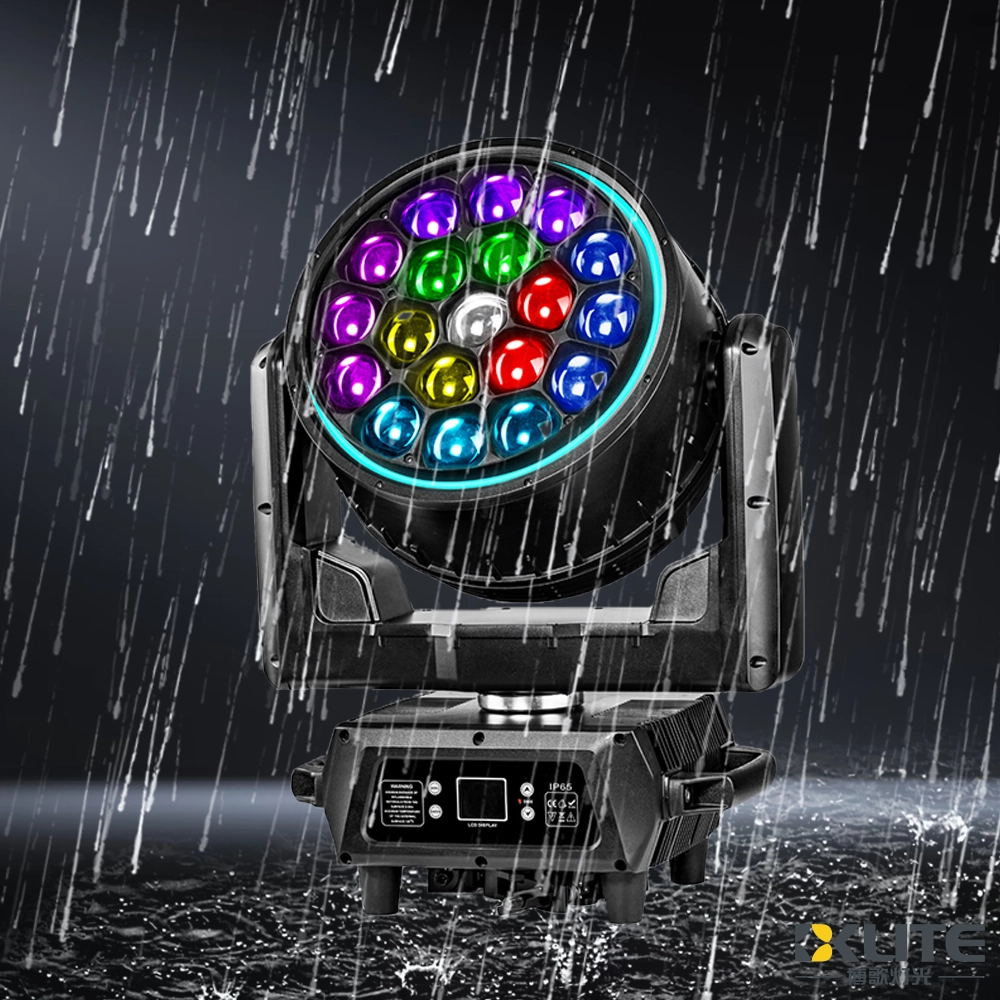
IP65 Waterproof Bee Eye Zoom 19x40W RGBW 4IN1 LED Beam Wash Moving Head Light with LED Ring
BKlite waterproof bee eye moving head light—your reliable choice from top waterproof moving head light manufacturers and suppliers. Ideal for outdoor stage, live event, music festival, this energy-saving fixture ensures powerful, precise illumination for any venue. It delivers powerful, reliable lighting performance in any weather.
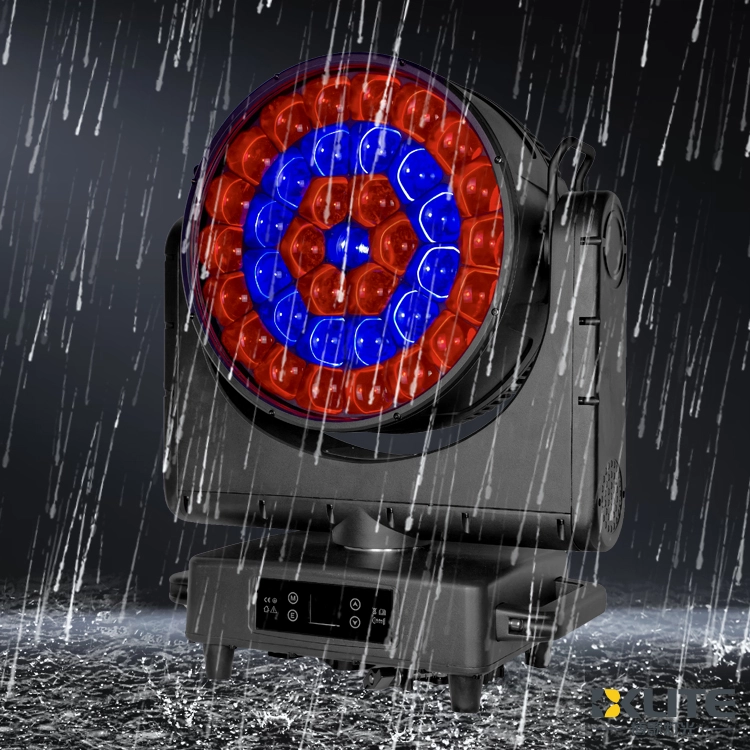
IP65 Waterproof ZOOM Bee Eye 37x40W RGBW 4in1 LED Moving Head Light
As a leading stage lighting equipment supplier with more than 15 years of industry know-how, BKlite brings you the IP65 ZOOM Bee Eye 37*40W RGBW 4in1 LED Moving Head Light (K25 Bee Eye) delivers vibrant, weatherproof lighting with powerful zoom and smooth movement. Ideal for dynamic stage effects, the K25 moving head light ensures stunning RGBW color mixing and reliable outdoor performance.
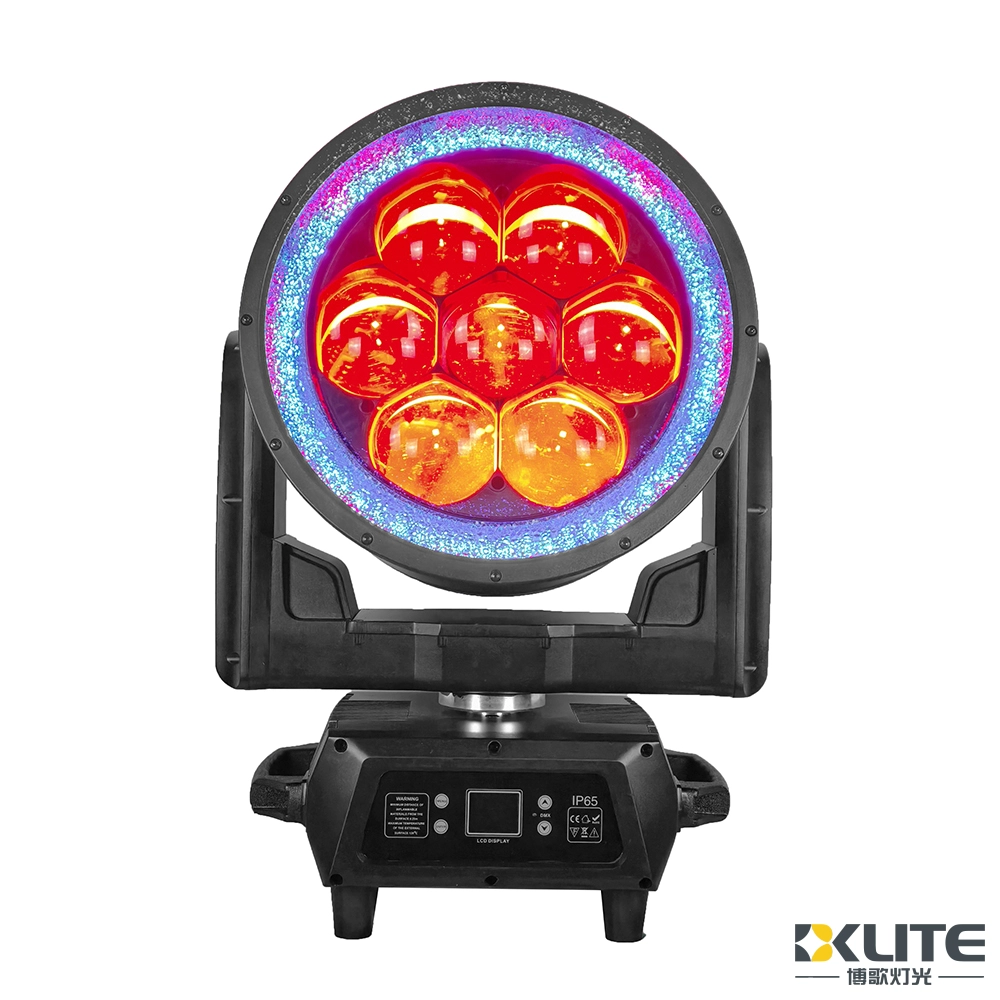
IP65 Waterproof Bee Eye 7x180W RGBL 4IN1 LED Moving Head Light With LED Ring
BKlite high power 7x180W waterproof bee eye moving head light—your reliable choice from top waterproof moving head light manufacturers and suppliers. Ideal for outdoor stage, live event, music festival, this energy-saving fixture ensures powerful, precise illumination for any venue. It delivers powerful, reliable lighting performance in any weather.
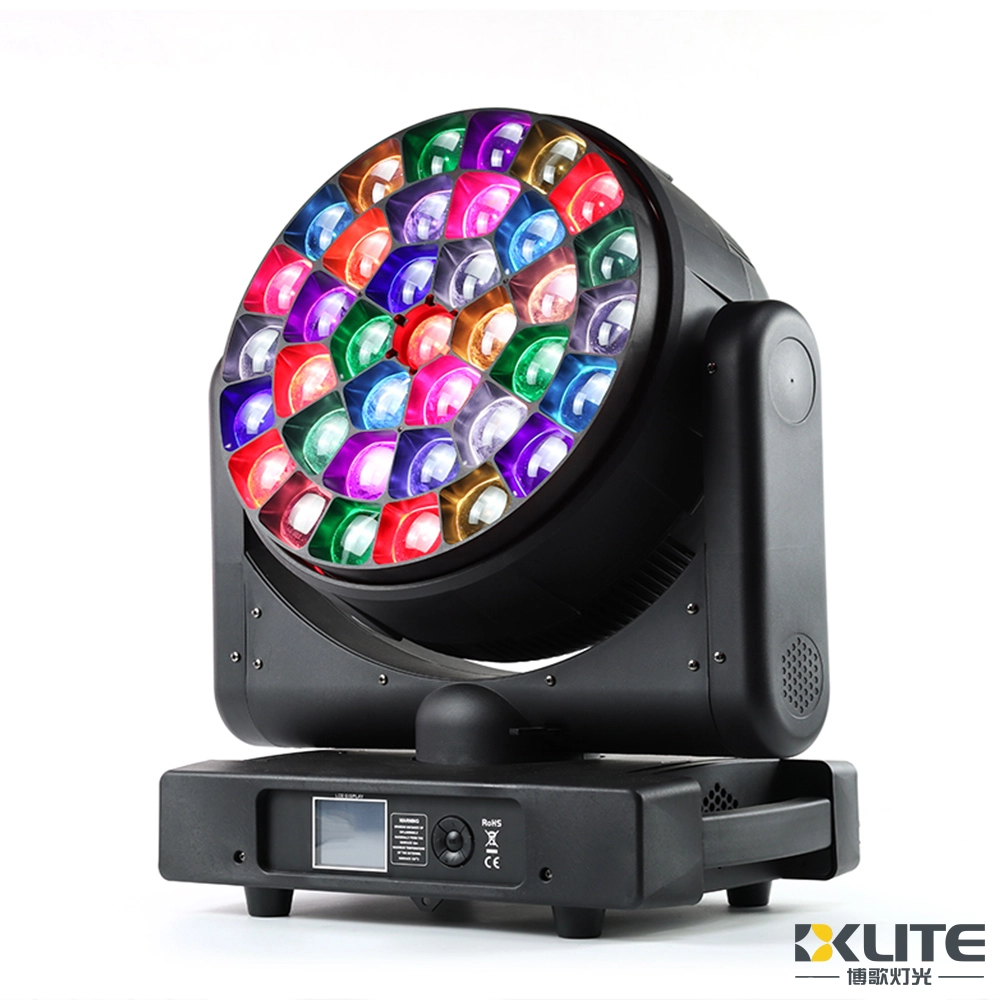
Bee Eye Zoom 37x40W RGBW 4in1 LED Beam Wash Moving Head Light


Copyright © 2025 BKLITE All Rights Reserved.