




Color Mixing Theory for LED Wash Lighting
- Understanding Color Mixing in Stage Lighting
- Fundamentals: Additive Color Mixing and why it matters for led wash light
- Color Spaces, Gamut and Measurement for led wash light
- Additive Color Models in led wash light: RGB, RGBW, RGBA, RGB+Amber, and Tunable White
- White Balance and Color Temperature Control in led wash light
- Color Rendering Metrics: CRI, TLCI and why they matter for led wash light
- Control, Dimming and Flicker: Practical considerations for led wash light
- Calibration, Color Matching and Cross-Brand Consistency for led wash light
- Practical Setup: Choosing led wash light for your application
- Troubleshooting Common led wash light Color Issues
- Vendor Spotlight: Guangzhou BKlite and led wash light Solutions
- How to evaluate BKlite or any led wash light vendor
- FAQ — Color Mixing Theory for LED Wash Lighting
- Contact & Products CTA
- References
Understanding Color Mixing in Stage Lighting
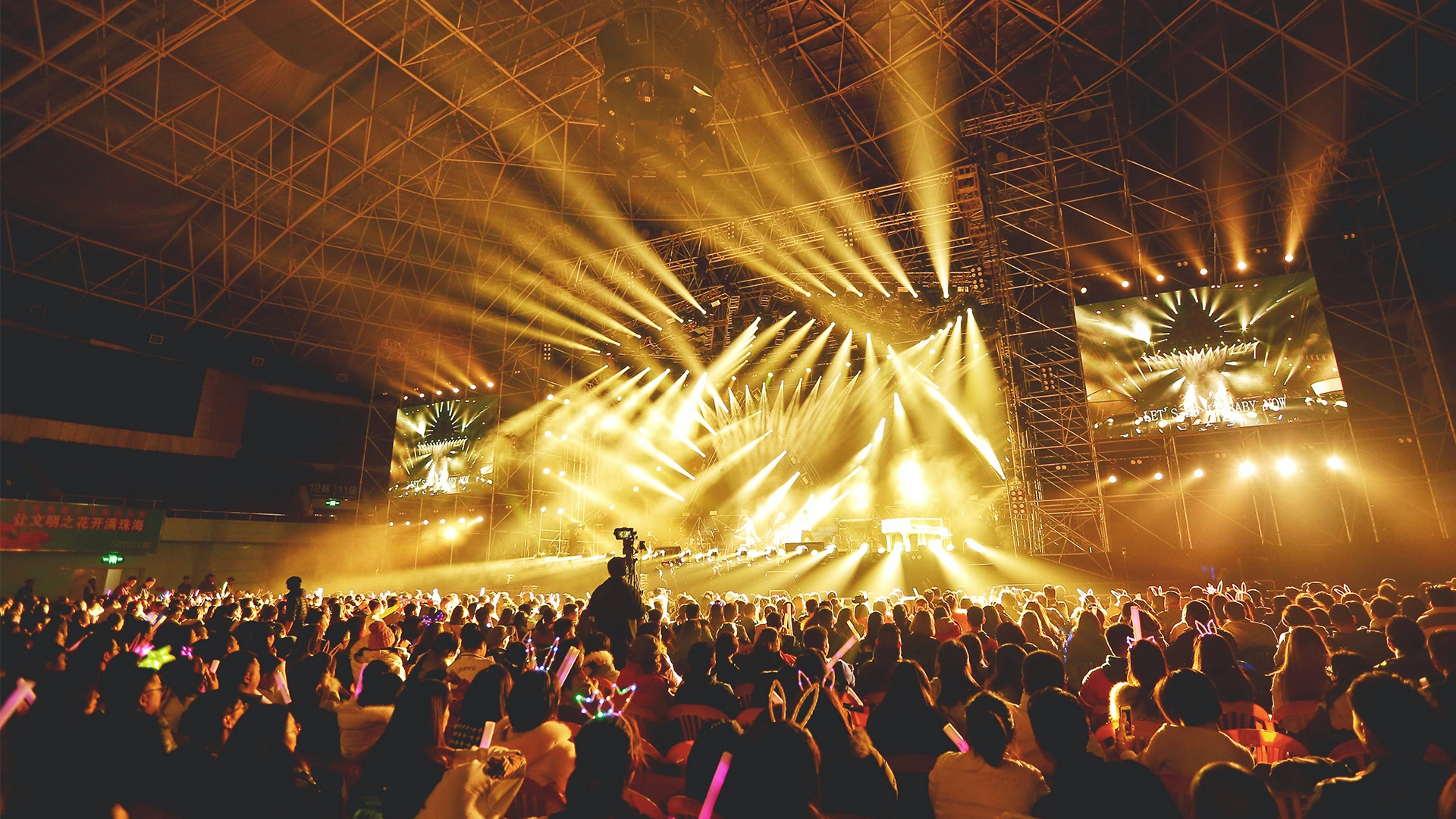
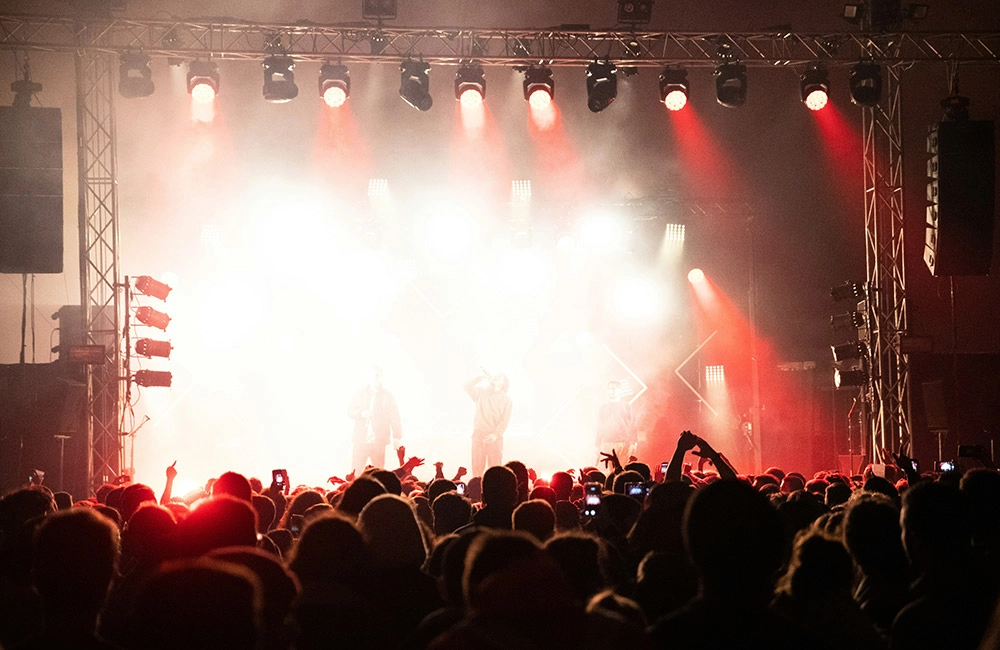
Color is the primary tool of atmospheric storytelling in stage lighting. For designers and technical crews working with led wash light fixtures, a solid grasp of color mixing theory is essential to produce consistent on-stage hues, accurate skin tones, and reliable cross-platform results (live, broadcast, video). This article breaks down the physics, engineering, and practical workflows that govern color mixing in LED wash lighting—helping you choose the right fixtures, control them precisely, and troubleshoot real-world problems.
Fundamentals: Additive Color Mixing and why it matters for led wash light
LED wash lights use additive color mixing: different colored light sources combine in space to produce new perceived colors. Unlike subtractive mixing (paint, gels), additive mixing blends emitted light wavelengths. The three primary wavelengths commonly used in LED fixtures are roughly red (~620–630 nm), green (~520–530 nm) and blue (~450 nm). When mixed at varying intensities, they can produce a wide gamut of colors including whites.
Why this matters: understanding additive mixing lets you predict color outcomes from DMX values, optimize mixing algorithms in console macros, and avoid metamerism issues where a color looks different under other lights or cameras. For verifiable color planning, designers reference color spaces (see next section) and fixture photometric data.
Color Spaces, Gamut and Measurement for led wash light
Color spaces (e.g., CIE 1931 xy, CIE 1976 u'v') are mathematical models that map human color perception. Fixture manufacturers publish LED chromaticity coordinates and gamut polygons relative to these standards. Using a fixture's xy coordinates, you can calculate the reachable gamut and predict whether a given hue (e.g., a saturated cyan or skin tone) is reproducible.
Key metric references: the CIE 1931 color space is the baseline for photometric characterization and is widely used in lighting spec sheets (CIE 1931). For broadcast work, color accuracy metrics such as CRI and TLCI are used to evaluate how faithfully a light renders colors on camera and to the human eye.
Additive Color Models in led wash light: RGB, RGBW, RGBA, RGB+Amber, and Tunable White
Manufacturers implement different LED color engines to extend gamut, improve white quality, or enable pastel colors. Below is a direct comparison of common color engines you will encounter when selecting a led wash light:
| Color System | Channels | Relative Gamut | White Quality | Typical Use |
|---|---|---|---|---|
| RGB | 3 | Good for saturated colors; limited pastel/white | Poor—white is produced by balancing R+G+B | Bold colors, simple washes |
| RGBW | 4 | Wider gamut; deeper whites | Better—dedicated white LED improves CRI/TLCI | General stage lighting, improved skin tones |
| RGBA / RGB+Amber | 4 | Expanded gamut into warm/cool and pastel tones | Better than RGB for warm whites | Decorative washes and theatrical subtleties |
| RGB+UV / RGBAWUV | 5–7 | Very wide, fluorescent effects possible | Good with engineered whites | Clubs, effects-heavy productions |
| Tunable White (dual/multi white) | 2+ | N/A (focused on whites) | Excellent—precise CCT control | Film, broadcast, house lights |
Source data for channel roles and typical uses are derived from manufacturer technical notes and lighting technology references (see References).
White Balance and Color Temperature Control in led wash light
White balance in LED wash lights is controlled by mixing white-capable emitters or by combining RGB channels to approximate a correlated color temperature (CCT). Dedicated white LEDs (RGBW or tunable white) produce cleaner, higher-CRI whites. If you are lighting performers for live broadcast or camera capture, prioritize fixtures with high TLCI scores or a dedicated white emitter rather than RGB-only mixing.
Practical tip: calibrate fixtures in the venue with a spectrometer or color meter whenever possible. Record fixture channel levels for common CCTs (e.g., 3200K, 5600K) and store them as palette presets in your console. This ensures repeatability across scenes and tours.
Color Rendering Metrics: CRI, TLCI and why they matter for led wash light
CRI (Color Rendering Index) and TLCI (Television Lighting Consistency Index) are measures of how accurately a light source renders colors relative to a reference. For live events that will be filmed, TLCI (developed for broadcast) is often more relevant; for general stage and architectural work, CRI and newer metrics (e.g., IES TM-30) help evaluate spectrum quality.
Benchmarks: professional stage fixtures often claim CRI 80–95 and TLCI values aimed at 90+. When comparing fixtures, check the published spectral power distribution (SPD) curves if available; continuous spectra with fewer missing wavelengths typically render skin tones and costumes better.
Control, Dimming and Flicker: Practical considerations for led wash light
LED drivers use techniques such as pulse-width modulation (PWM) and constant current reduction (CCR) to control output. PWM can introduce visible flicker or camera banding if the PWM frequency is low. For camera-friendly operation, choose fixtures with high-frequency PWM or linear dimming modes, or fixtures explicitly designed with flicker-free drivers.
DMX channel footprint: led wash light fixtures vary widely—simple fixtures may use 8–16 channels, while feature-rich moving wash heads can use 20–40 channels (including color macros, calibration, effects). Consult the fixture manual for exact channel maps and use RDM or networked protocols (sACN, Art-Net) where possible to streamline addressing.
Calibration, Color Matching and Cross-Brand Consistency for led wash light
Users often face color-matching problems when mixing fixtures from different manufacturers or different models. The main causes are differences in LED spectral outputs, white balancing approaches, and optical mixing design (integrating spheres vs. color-mixing lenses).Best practices to achieve consistency:- Use a color meter/spectrometer to create reference palettes for each fixture model.- Build macro palettes on the console that compensate for visible shifts (e.g., slightly reduce green to correct a greenish white).- Prefer fixtures with documented chromaticity coordinates and photometrics for planning.These steps make color reproducible across venues and help when replacing fixtures on tour.
Practical Setup: Choosing led wash light for your application
Specify fixtures based on these decision points:- Gamut needs: saturated theatrical colors vs. accurate skin tones- White quality: TLCI/CRI targets for broadcast- Output and optics: beam angle and lumen output for coverage- Control features: DMX channels, presets, and software integration- Environmental requirements: IP rating (e.g., IP65 for outdoor) and cooling
Example: For a touring theatre that needs excellent skin tones and flexible washes, choose RGBW or RGBA wash fixtures with high CRI/TLCI, medium beam optics (30–40°), and robust cooling. For festivals prioritizing punchy saturated colors, RGB or RGB+UV variants with wider beams may be acceptable.
Troubleshooting Common led wash light Color Issues
Symptoms and fixes:- Uneven color between fixtures: verify LED bins and calibrate via spectrometer or console macros.- Washed-out whites on camera: check TLCI/CRI specs, increase white channel or use dedicated white emitter.- Flicker or banding on camera: enable flicker-free mode, raise PWM frequency, or switch to CCR/linear dimming if available.- Unexpected color shifts when dimming: enable linear dimming curves or ICC profiles provided by the manufacturer.
Vendor Spotlight: Guangzhou BKlite and led wash light Solutions
Guangzhou BKlite Stage Lighting Equipment Co., Ltd., established in 2011, has grown into a respected manufacturer in the stage lighting industry. BKlite's philosophy emphasizes professionalism, innovation and mutual benefit. Over 14+ years, the company has built a reputation for quality, reliability and R&D investment to keep pace with entertainment technology trends. Website: https://www.bklite.com/.
BKlite's product range includes IP20 Bee Eye Series, IP65 Bee Eye Series, LED Beam Moving Heads, LED Spot Moving Heads, LED Wash Moving Heads, LED Par Lights, LED Bar Lights, and LED Strobe Lights. Their LED wash moving head products aim to balance color fidelity and output, offering RGBA/RGBW engines, tunable white options, and IP-rated housings for outdoor use.
Competitive strengths and differentiators:- Vertical manufacturing with in-house R&D enables rapid feature iteration and consistent quality control.- Broad product portfolio (led wash moving head, led stage lighting, led moving head, led strobe bar light, led par light, led cob light, led spot moving head, led beam bar moving, Profile led moving head light, led spotlight) allows system-level procurement from a single supplier.- Focus on both IP20 and IP65 product lines addresses indoor theatre and outdoor events.- Emphasis on technology and patents aimed at improving color engines and thermal management for stable output over long runs.
If you need fixtures that combine dynamic color mixing with reliable white output and outdoor capability, BKlite's led wash moving head and related stage lighting products are worth evaluating. Contact via their website for datasheets, photometrics and sample units.
How to evaluate BKlite or any led wash light vendor
Request the following before selecting fixtures:- Spectral power distribution or chromaticity coordinates- Photometric files (IES/LM-79) for beam and lux calculations- CRI/TLCI test reports and PWM/driver specifications- DMX channel maps and console integration notesCompare these against your project requirements and test units in-situ where possible.
FAQ — Color Mixing Theory for LED Wash Lighting
Q1: Can RGB-only led wash light produce accurate skin tones?
A1: RGB-only fixtures can approximate skin tones but often lack the spectral detail needed for consistently accurate results, especially on camera. RGBW or tunable white fixtures typically perform better for skin tones because of dedicated white emitters and improved CRI/TLCI.
Q2: How do I stop camera banding with LED wash lights?
A2: Use fixtures with flicker-free drivers or enable high-frequency PWM/linear dimming modes. Also synchronize camera shutter/frame rate with lighting where possible, and test in-camera before the event.
Q3: What color engine should I choose for outdoor festival led wash light?
A3: For outdoor festivals where saturated color and brightness are prioritized, RGB or RGB+UV engines with IP65 ratings may be suitable. If performers must be filmed, opt for RGBW/RGBA with higher TLCI and IP-rated housings.
Q4: How do I calibrate multiple led wash light fixtures for consistent color?
A4: Use a spectrometer or color meter to create reference palettes for each fixture model, store DMX palette presets in your console, and apply small channel offsets (macros) to correct systematic shifts across the rig.
Q5: What's the difference between CRI and TLCI for led wash light?
A5: CRI is a general-purpose index of color rendering for human vision, while TLCI was developed to evaluate how well a light source will work for television cameras and broadcast workflows. For camera-critical applications, prioritize TLCI (or measured spectral data).
Q6: How many DMX channels do modern led wash light fixtures typically use?
A6: Simple fixtures may use 8–16 channels; feature-rich moving wash heads can use 20–40 channels. The exact footprint depends on color engines, onboard effects, and whether the unit supports pixel mapping or advanced calibration features.
Contact & Products CTA
If you want help selecting, testing, or configuring led wash light fixtures for your venue or tour, contact Guangzhou BKlite via https://www.bklite.com/ to request datasheets, photometrics or demo units. BKlite offers a wide range of products including led wash moving head, led stage lighting, led moving head, led strobe bar light, led par light, led cob light, led spot moving head, led beam bar moving, Profile led moving head light and led spotlight—each designed for professional performance and reliable field operation.
References
- CIE 1931 color space — Wikipedia. https://en.wikipedia.org/wiki/CIE_1931_color_space (accessed 2025-12-08).
- Additive color — Wikipedia. https://en.wikipedia.org/wiki/Additive_color (accessed 2025-12-08).
- Color rendering index — Wikipedia. https://en.wikipedia.org/wiki/Color_rendering_index (accessed 2025-12-08).
- Television Lighting Consistency Index (TLCI) overview — European Broadcasting Union (EBU) and technical notes; practical guidance available in broadcast lighting materials. See EBU Tech documents and broadcaster resources (accessed 2025-12-08).
- Pulse-width modulation — Wikipedia. https://en.wikipedia.org/wiki/Pulse-width_modulation (accessed 2025-12-08).
- DMX512 — Wikipedia. https://en.wikipedia.org/wiki/DMX512 (accessed 2025-12-08).
- Guangzhou BKlite Stage Lighting Equipment Co., Ltd. official website — https://www.bklite.com/ (accessed 2025-12-08).
How to Program Bee Eye Moving Head Effects in DMX
DMX & RDM Compatibility Guide for LED Spot Moving Heads
Top 10 amber led strobe light Manufacturers and Supplier Brands
Best professional led light bar with amber strobe manufacturers and supplier brands
FAQs
What's the shipping way, shipping time?
The ways of shipping—you can choose which is suitable for you. (1). By Sea, 30-60 days; apply for bulk quantity.
(2). By Air, 5-7 days; apply for bulk quantity.
(3). By Express, 3-5 days; apply for small quantity and urgent order.
What's your certificates?
ROHS and CE certificates passed.
Can you help me to print our logo or company name on the products on package?
Of course. Your logo can be printed on the products or package. OEM & ODM permits.
If the products broken during the warranty, what should i do?
If there is a problem with the products, you describe it and send pictures or videos to us to analyze, and then we will guide you on how to fix it and provide spare parts for free if needed.
What service can you supply?
We can apply for the OEM/ODM service.
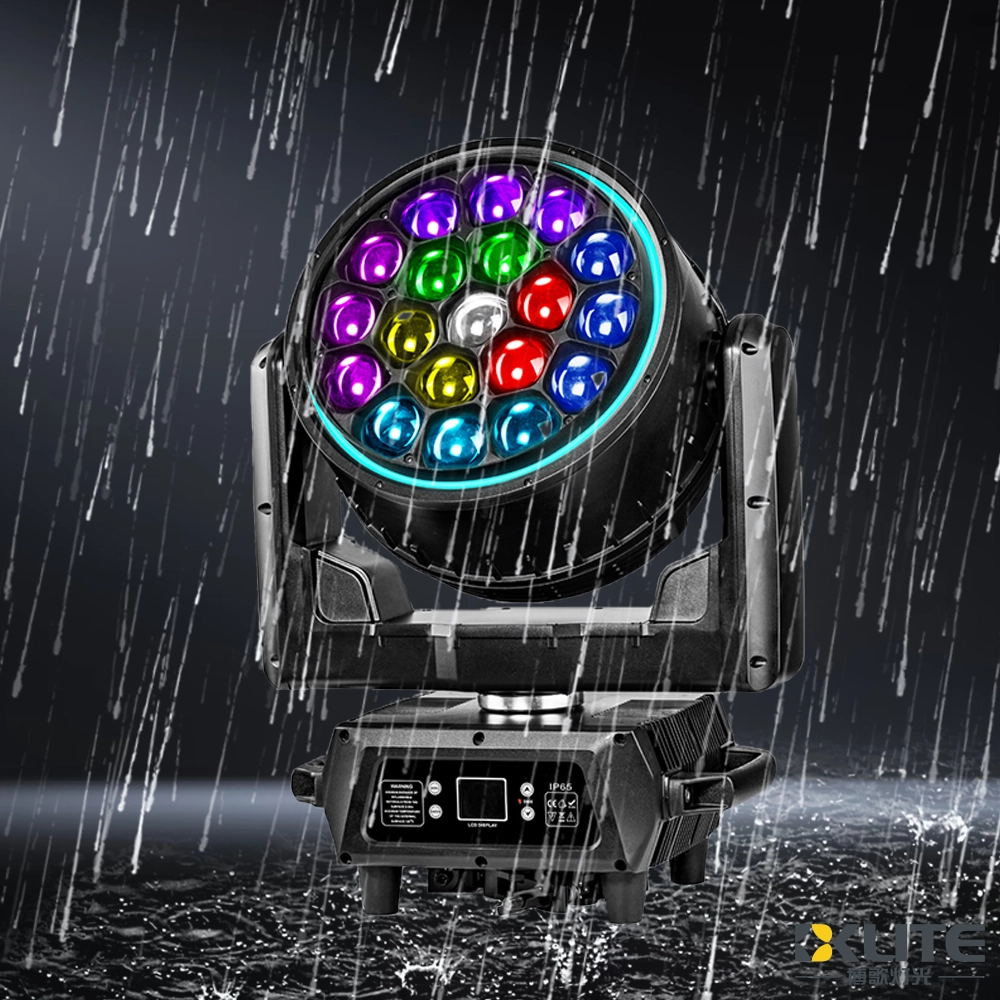
IP65 Waterproof Bee Eye Zoom 19x40W RGBW 4IN1 LED Beam Wash Moving Head Light with LED Ring
BKlite waterproof bee eye moving head light—your reliable choice from top waterproof moving head light manufacturers and suppliers. Ideal for outdoor stage, live event, music festival, this energy-saving fixture ensures powerful, precise illumination for any venue. It delivers powerful, reliable lighting performance in any weather.
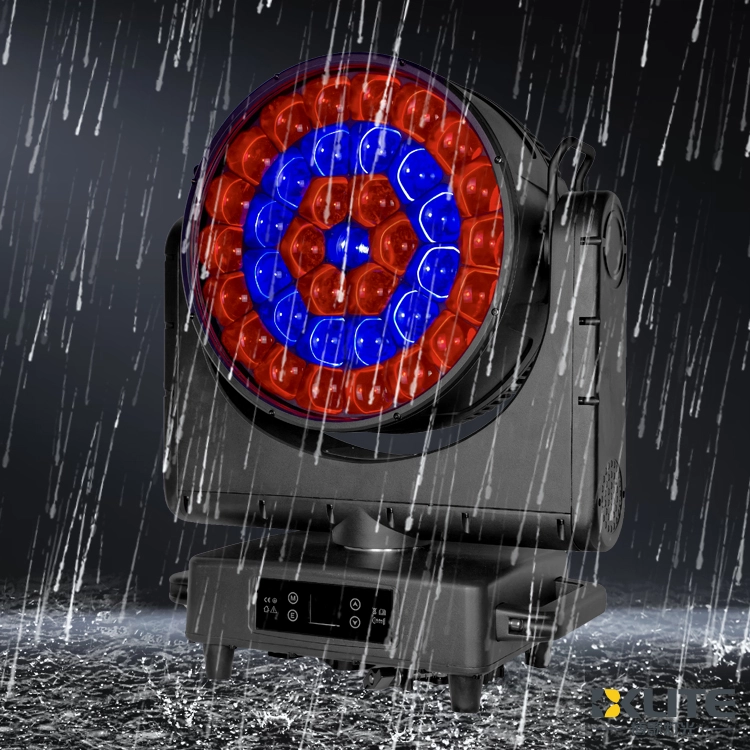
IP65 Waterproof ZOOM Bee Eye 37x40W RGBW 4in1 LED Moving Head Light
As a leading stage lighting equipment supplier with more than 15 years of industry know-how, BKlite brings you the IP65 ZOOM Bee Eye 37*40W RGBW 4in1 LED Moving Head Light (K25 Bee Eye) delivers vibrant, weatherproof lighting with powerful zoom and smooth movement. Ideal for dynamic stage effects, the K25 moving head light ensures stunning RGBW color mixing and reliable outdoor performance.
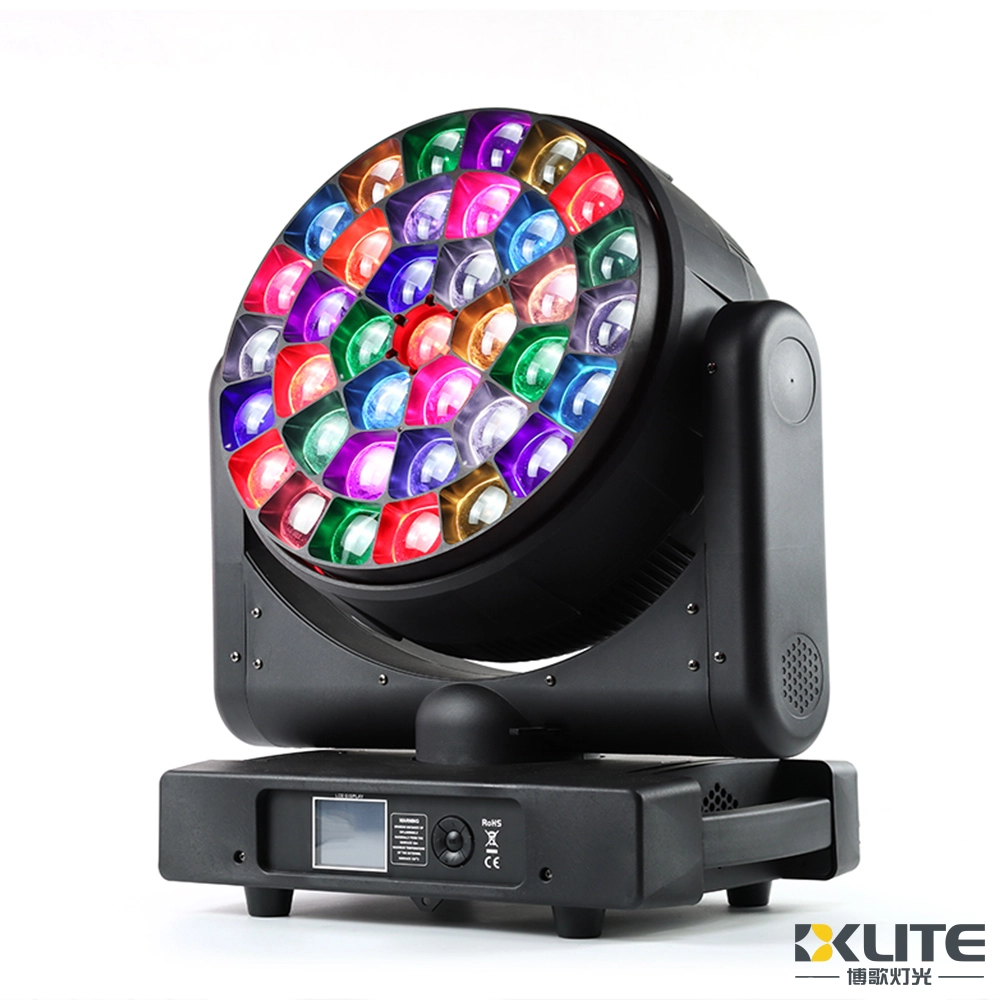
Bee Eye Zoom 37x40W RGBW 4in1 LED Beam Wash Moving Head Light
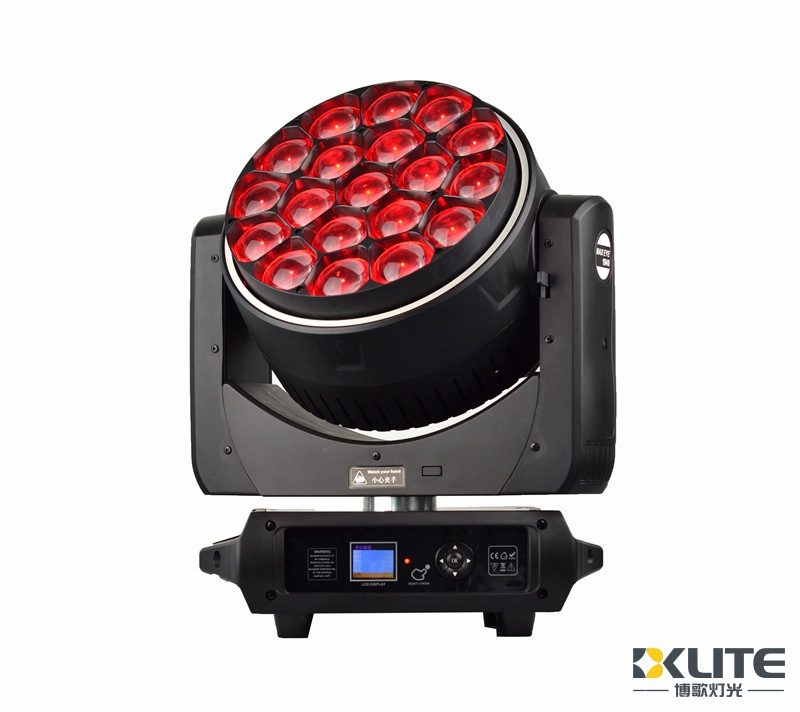
IP20 Bee Eye Zoom 19x40W RGBW 4IN1 LED Beam Wash Moving Head Light with LED Ring
As one of the leading stage lighting equipment suppliers with 15+ years of experience, BKlite launched a new Bee Eye K15 19x40 LED wash light BK-BY1940Z. .
Designed with a simple and sleek appearance, the WASH moving head light is compact, lightweight, and highly portable.
With multiple color effect macros and dynamic effect macros.
Our wash light can be used for versatile lighting options with amazing effect.
It is very good for your lighting projects.
Powerful and shoots very far distances.


Copyright © 2025 BKLITE All Rights Reserved.