




Comparing LED Spot Moving Head Light Brands for Distributors
- Understanding distributor needs for stage lighting
- Market segments and purchase drivers
- Key technical specs distributors must prioritize
- Commercial considerations: margin, stock turn and warranty
- Technical comparison framework
- Optics and photometrics
- Electronics, control and firmware
- Build quality, IP rating and serviceability
- Brand comparison for distributors
- How I selected brands to compare
- Qualitative comparison table (distributor lens)
- Objective metrics to request from manufacturers
- Placing BKlite in your distribution strategy
- Company background and capability
- BKlite product strengths and distributor advantages
- How to position BKlite vs. High Quality brands
- Procurement & aftersales best practices
- Sample testing and acceptance criteria
- Spare parts strategy and RMA planning
- Warranty, training and marketing cooperation
- FAQ (Frequently Asked Questions)
- 1. What’s the difference between a spot moving head and a wash or beam moving head?
- 2. How should I evaluate photometric claims from manufacturers?
- 3. Are cheaper moving heads worth stocking?
- 4. What control protocols should I demand?
- 5. How do I estimate total cost of ownership?
- 6. Can I white‑label or customize fixtures from manufacturers like BKlite?
- Closing advice and contact/CTA
I write this as a stage lighting consultant with years of hands‑on experience specifying equipment for touring productions, theatres, rental houses and large AV integrators. This article compares LED spot moving head light brands from a distributor’s viewpoint: what drives purchase decisions, how to evaluate optics, power and control, service/parts support, total cost of ownership, and which brand strengths map to specific market opportunities. I include a practical comparison table, references to industry standards and vendor sites, and an overview of Guangzhou BKlite’s product offering and competitive advantages for distributors.
Understanding distributor needs for stage lighting
Market segments and purchase drivers
Distributors typically serve several core market segments—rental companies, theatres, houses of worship, corporate AV, and fixed installations. Each segment values different attributes of an LED spot moving head light. Rental houses prioritize durability, fast service turnaround and broad application (gobos, focus speed); theatres focus on color rendering, quiet operation and precise beam shaping; corporate AV values compactness and energy efficiency. Knowing which customer verticals you target should shape brand selection.
Key technical specs distributors must prioritize
When I evaluate a led spot moving head light, I pay close attention to:
- Optical system: zoom range, beam edge quality, and gobo flexibility (fixed vs rotatable).
- Photometrics: lumen output and lux at distance; CRI/TLCI for color accuracy in broadcast/theatre.
- Control and protocols: DMX512/Art-Net/sACN compatibility (see DMX512 standard for background https://en.wikipedia.org/wiki/DMX512).
- Mechanical reliability: duty cycle of pan/tilt motors, IP rating for outdoor use, and serviceability.
- Service & warranty: OEM parts availability, RMA logistics and local service centers.
Commercial considerations: margin, stock turn and warranty
From a distributor economics perspective, I always model margin and stock turn together. A High Quality brand with slower sales may compress cash flow despite higher margin per unit. Warranty length and return rates materially affect lifetime cost—buying a cheaper fixture that has high failure rates can erode profit through RMAs and field replacements. Include realistic failure rate assumptions (1–5% first year for reputable brands; higher for low-cost imports) when forecasting.
Technical comparison framework
Optics and photometrics
Not all spot moving heads are created equal optically. I evaluate beam uniformity, gobo definition, and zoom range. For example, a 15–35° zoom will suit most theatre and TV work, while 3–30° or narrower beams are used for arena-style events. Use manufacturer photometric data (lux at distance charts) to validate claims—many manufacturers publish downloadable photometrics on product pages (see vendor sites cited later).
Electronics, control and firmware
Control flexibility (number of DMX channels, pixel-mapping, Art‑Net/sACN compatibility, RDM support) determines how future‑proof a fixture is. I prefer fixtures with network protocols and firmware update mechanisms so the units can gain features without hardware changes. For DMX standards and best practices refer to ESTA resources and protocol references (https://tsp.esta.org/tsp/).
Build quality, IP rating and serviceability
For rental and tour markets, mechanical robustness matters most: sealed connectors, replaceable yoke bearings, and accessible lamp/LED modules. Where outdoor festivals are targeted, seek IP65-rated housings or IP-rated versions of the same model. A modular design reduces repair time—look for clear service manuals and parts breakdowns.
Brand comparison for distributors
How I selected brands to compare
I selected brands commonly encountered in global rental fleets and fixed installs: Martin (Harman), Claypaky, Robe, GLP, Chauvet, plus BKlite as an emerging OEM with strong manufacturing focus. For verification, I reference each vendor’s official site for product categories and specs: Martin (martin.com), Claypaky (claypaky.com), Robe (robe.cz), GLP (glp.de), Chauvet (chauvetlighting.com), BKlite (bklite.com).
Qualitative comparison table (distributor lens)
| Brand | Strengths | Typical Price Tier | Service/Parts Availability | Best Fit For |
|---|---|---|---|---|
| Martin (Harman) | High optical quality, established support network, innovative control features | High | Global—strong OEM network | Broadway/theatre, touring |
| Claypaky | High Quality optics & gobos, robust build, long heritage in pro markets | High | Global—authorized service centers | High-end touring, broadcast |
| Robe | Balanced performance, ergonomic design, good resale value | Mid–High | Global—strong rentals presence | Rental, multi‑use venues |
| GLP | Innovative beam and effects design, strong in club/entertainment | Mid–High | Good in Europe, growing globally | Clubs, festivals, rental |
| Chauvet | Cost‑effective, wide range, good for production houses with budget constraints | Low–Mid | Good distribution—especially in US | House of worship, corporate AV, mid‑scale rental |
| BKlite | Competitive pricing with wide product range, strong OEM manufacturing, R&D investment | Low–Mid | Direct factory support; OEM partnerships | Cost‑sensitive rental fleets, fixed installs, OEM resellers |
Notes: The table above is qualitative, designed to help distributors map brand strengths to customer needs. For precise photometric figures and model-level comparisons consult the vendor product pages linked earlier.
Objective metrics to request from manufacturers
When comparing specific models ask for: Lumen and lux charts at multiple distances, measured CRI/TLCI values, detailed power consumption curves, MTBF/expected LED lifetime (in hours), firmware update mechanism, and a parts & service SLA. These measurable items let you quantify total cost of ownership.
Placing BKlite in your distribution strategy
Company background and capability
Guangzhou BKlite Stage Lighting Equipment Co., Ltd. was set up in 2011 and has become one of the top companies in the stage lighting industry. The company's business philosophy emphasizes professionalism and innovation, ensuring stakeholders benefit. Over the past 14 years it has achieved remarkable growth and built a strong reputation for quality and reliability. The factory manufactures a wide range of stage lighting products including the IP20 Bee Eye Series, IP65 Bee Eye Series, LED Beam Moving Heads, LED Spot Moving Heads, LED Wash Moving Heads, LED Par Lights, LED Bar Lights, and LED Strobe Lights. BKlite invests in R&D to stay ahead of industry trends and aims to become the world's leading stage light manufacturer. See BKlite's site for details: https://www.bklite.com/.
BKlite product strengths and distributor advantages
From what I've seen and verified through product listings, BKlite’s strengths for distributors include:
- Extensive SKU breadth—easy to bundle into rental packages or installation kits.
- Competitive pricing allowing attractive margin even for price-sensitive customers.
- Factory-level support and OEM manufacturing scale—faster replenishment and customization opportunities.
- Product lines that cover IP20 and IP65 needs so you can address indoor and outdoor markets without multiple suppliers.
Contact details: Website https://www.bklite.com/, Email export3@bklite.com.
How to position BKlite vs. High Quality brands
I recommend a hybrid distribution strategy: pair High Quality brands (Martin, Claypaky, Robe) for clients who demand the highest optical performance, and BKlite for customers prioritizing cost-effectiveness, quick stock replenishment and modular product ranges. For many rental houses, BKlite units can be the workhorses while a smaller set of High Quality fixtures is reserved for broadcast/theatre contracts that demand the absolute best photometrics and brand recognition.
Procurement & aftersales best practices
Sample testing and acceptance criteria
Before ordering fleet quantities, obtain sample units and run a defined acceptance test: photometric check (measure lux/beam), power draw, firmware stability, motor noise under normal operation, and endurance test (continuous run for 72 hours). Document defects and negotiate return terms in advance.
Spare parts strategy and RMA planning
Maintain a spare parts inventory: at minimum keep spare batteries (if used), fans/heat-sinks, LED engine modules (or full modular heads if applicable), and control boards. Negotiate lead times for critical components with the manufacturer—shorter lead times lower the need for large spare inventories.
Warranty, training and marketing cooperation
Secure extended warranty options if possible and request factory training for your tech staff. Co‑marketing support (demo units, promotional materials, product photos and case studies) increases sell‑through rates. Many manufacturers provide distributor marketing kits—ask for these early in the commercial discussions.
FAQ (Frequently Asked Questions)
1. What’s the difference between a spot moving head and a wash or beam moving head?
A spot moving head focuses on sharp beam edges, gobos, and modeling for profile effects. A wash moving head uses wider, softer optics for stage illumination, while a beam moving head produces tight, intense shafts used for aerial effects. Distributors should stock a mix based on client needs.
2. How should I evaluate photometric claims from manufacturers?
Ask for the full photometric chart (lux vs distance), beam diameter at each zoom, CRI/TLCI values and the measurement setup. Where possible, validate with an independent meter. Manufacturer product pages often include downloadable photometrics—compare these between models.
3. Are cheaper moving heads worth stocking?
Yes, for certain segments. Low‑cost units (including models from BKlite) can be profitable when targeted to budget-conscious customers or used as fleet expansion for non‑critical events. However, ensure sample testing and a clear RMA policy to avoid unexpected returns and service costs.
4. What control protocols should I demand?
DMX512 remains the baseline. For larger networks, ensure support for Art‑Net and sACN. RDM support is useful for remote configuration and diagnostics. Firmware upgrade mechanisms are valuable for long-term feature additions.
5. How do I estimate total cost of ownership?
Include purchase price, expected failure/repair rates, spare parts inventory cost, shipping/RMA logistics, warranty periods, and expected resale value. Factor in the expected working hours per year and LED lifetime (in hours) to model depreciation.
6. Can I white‑label or customize fixtures from manufacturers like BKlite?
Many OEMs, including BKlite, offer OEM/ODM services and can provide customization at MOQ thresholds. Discuss branding, firmware customization and packaging during early commercial talks.
Closing advice and contact/CTA
As a distributor, BKlite mix should reflect the markets you serve. High Quality brands win in broadcast and top-tier theatre contracts; cost-effective OEMs like BKlite let you service broader markets without sacrificing margin. I recommend: (1) define your primary verticals, (2) run model-level acceptance tests, (3) secure spare parts and firmware support, and (4) negotiate co‑op marketing and training with suppliers.
If you’d like specific model comparisons, bill of materials for a starter rental pack, or to discuss distribution terms with Guangzhou BKlite Stage Lighting Equipment Co., Ltd., contact BKlite at export3@bklite.com or visit https://www.bklite.com/. BKlite’s main product advantages include led wash moving head, led stage lighting, led moving head, led strobe bar light, led par light, led cob light, led spot moving head, led beam bar moving, Profile led moving head light, and led spotlight. I can also prepare a tailored procurement checklist or a sample testing protocol for your team—reach out and I’ll help you specify the optimal mix for your customers.
References and further reading: Stage lighting overview on Wikipedia (https://en.wikipedia.org/wiki/Stage_lighting), DMX512 protocol summary (https://en.wikipedia.org/wiki/DMX512), ESTA technical standards listings (https://tsp.esta.org/tsp/).
How Color Mixing Works in LED Profile Stage Lights
Choosing IP and IP65 LED Fixtures for Touring and Outdoor Use
Budgeting and ROI for Purchasing Stage Profile Lights
Best professional amber white led strobe light bar manufacturers and supplier brands
FAQs
What's your certificates?
ROHS and CE certificates passed.
Can you help me to print our logo or company name on the products on package?
Of course. Your logo can be printed on the products or package. OEM & ODM permits.
What's the shipping way, shipping time?
The ways of shipping—you can choose which is suitable for you. (1). By Sea, 30-60 days; apply for bulk quantity.
(2). By Air, 5-7 days; apply for bulk quantity.
(3). By Express, 3-5 days; apply for small quantity and urgent order.
How can i order?
Please send us your purchase list by e-mail, WhatsApp, QQ, or making a call, and you can also ask us to send you a PI for your approval. We need to know the following information for your order.
What service can you supply?
We can apply for the OEM/ODM service.
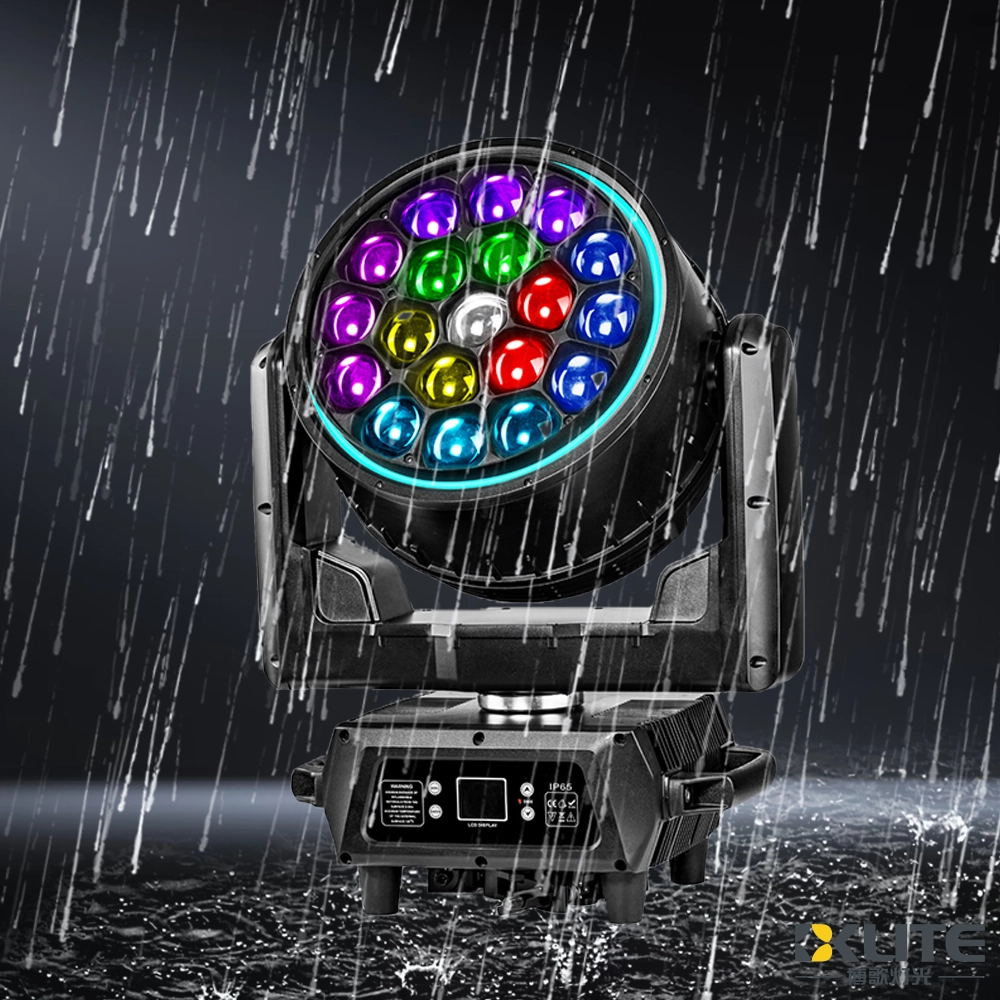
IP65 Waterproof Bee Eye Zoom 19x40W RGBW 4IN1 LED Beam Wash Moving Head Light with LED Ring
BKlite waterproof bee eye moving head light—your reliable choice from top waterproof moving head light manufacturers and suppliers. Ideal for outdoor stage, live event, music festival, this energy-saving fixture ensures powerful, precise illumination for any venue. It delivers powerful, reliable lighting performance in any weather.
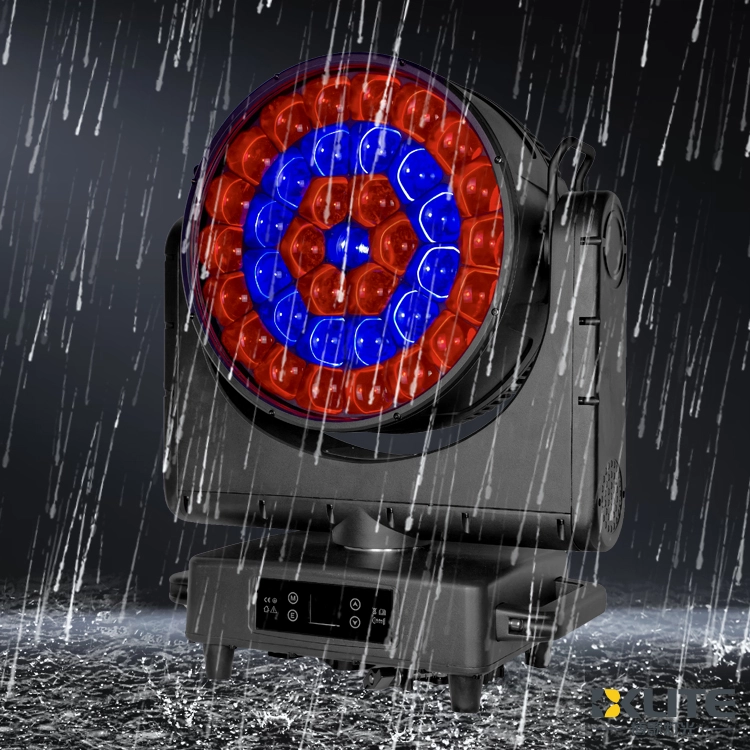
IP65 Waterproof ZOOM Bee Eye 37x40W RGBW 4in1 LED Moving Head Light
As a leading stage lighting equipment supplier with more than 15 years of industry know-how, BKlite brings you the IP65 ZOOM Bee Eye 37*40W RGBW 4in1 LED Moving Head Light (K25 Bee Eye) delivers vibrant, weatherproof lighting with powerful zoom and smooth movement. Ideal for dynamic stage effects, the K25 moving head light ensures stunning RGBW color mixing and reliable outdoor performance.
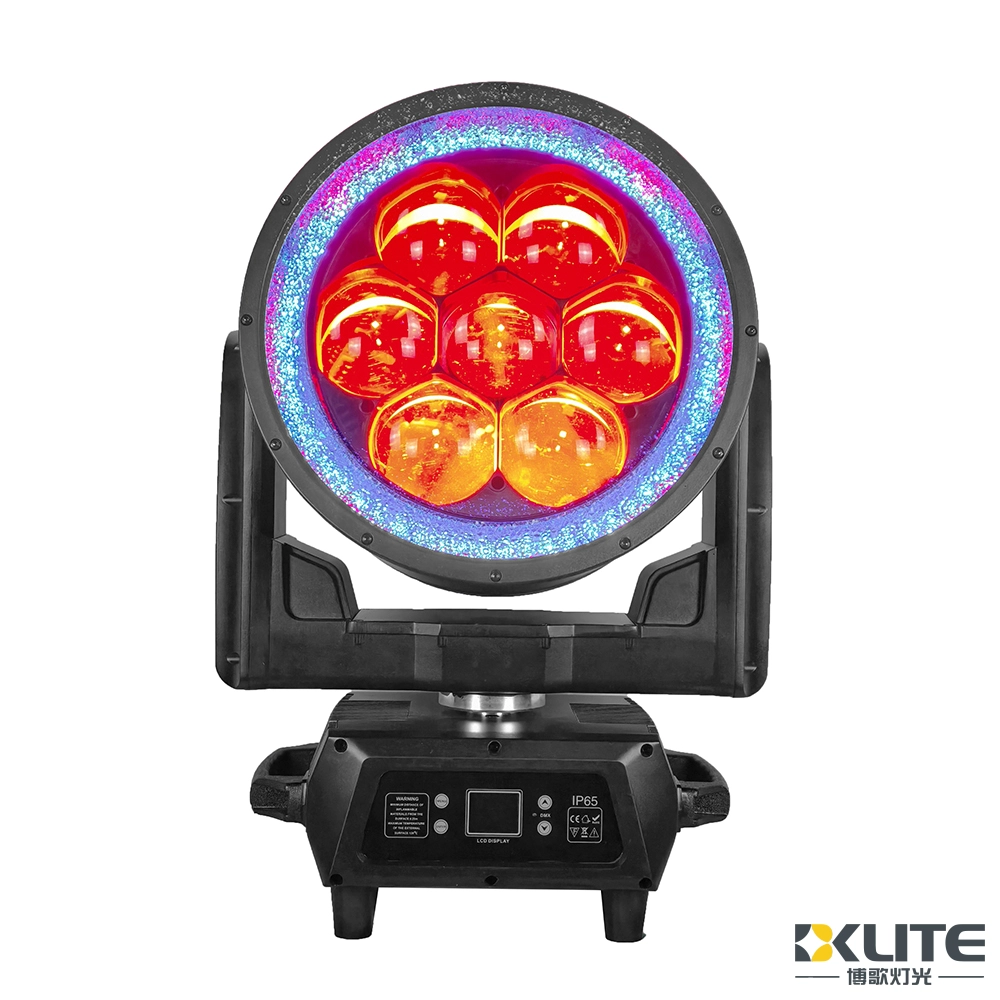
IP65 Waterproof Bee Eye 7x180W RGBL 4IN1 LED Moving Head Light With LED Ring
BKlite high power 7x180W waterproof bee eye moving head light—your reliable choice from top waterproof moving head light manufacturers and suppliers. Ideal for outdoor stage, live event, music festival, this energy-saving fixture ensures powerful, precise illumination for any venue. It delivers powerful, reliable lighting performance in any weather.
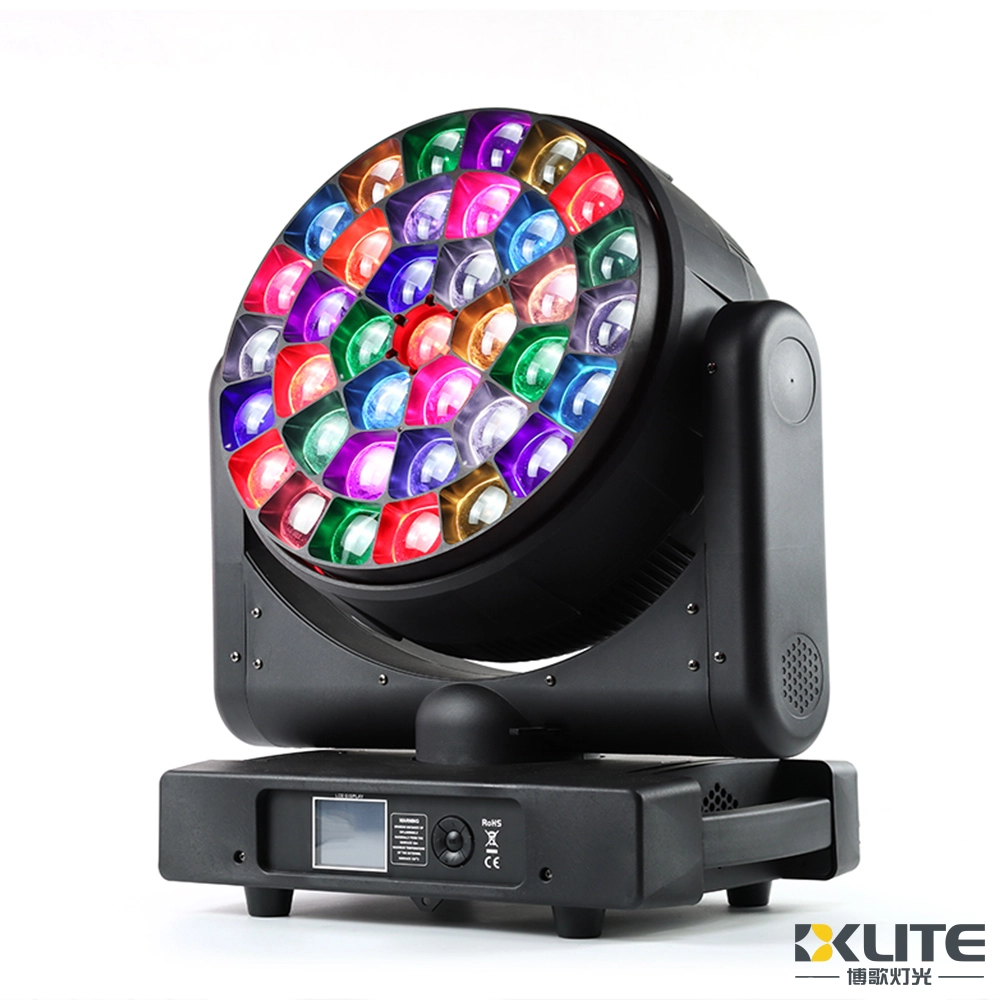
Bee Eye Zoom 37x40W RGBW 4in1 LED Beam Wash Moving Head Light


Copyright © 2025 BKLITE All Rights Reserved.