




Energy saving tips with the best led stage wash lights
- Why energy efficiency matters in stage lighting
- Operational cost and environmental impact
- Performance improvements without compromise
- Standards and interoperability
- Choosing the best led stage wash lights for energy savings
- Key specifications to evaluate
- Selecting fixture types: wash vs par vs moving head
- Manufacturer reliability and serviceability
- Installation and operation tips to maximize energy savings
- Right-sizing and rig layout
- Control strategies: dimming, zoning and presets
- Maintenance and lumen maintenance monitoring
- Comparing energy consumption: LED wash lights vs alternatives
- Sample energy comparison and cost assumptions
- Payback and lifecycle cost
- Real-world measurement and verification
- Advanced tactics and technologies to reduce energy consumption further
- Adaptive control and networked fixtures
- Optics and beam shaping
- Integrated features that save energy
- Choosing a manufacturer: why supplier credibility matters
- Case example: Guangzhou BKlite Stage Lighting
- Product range and technical focus
- BKlite advantages and why I recommend considering them
- FAQs
- 1. What makes the best led stage wash lights more energy-efficient than other fixtures?
- 2. How quickly will LED wash fixtures pay back their higher upfront cost?
- 3. Are LED wash lights suitable for touring rigs where robustness matters?
- 4. Will LEDs change the color rendering or look I get on stage?
- 5. Do I need new control systems if I switch to LED washes?
- 6. How do I estimate energy savings before purchasing?
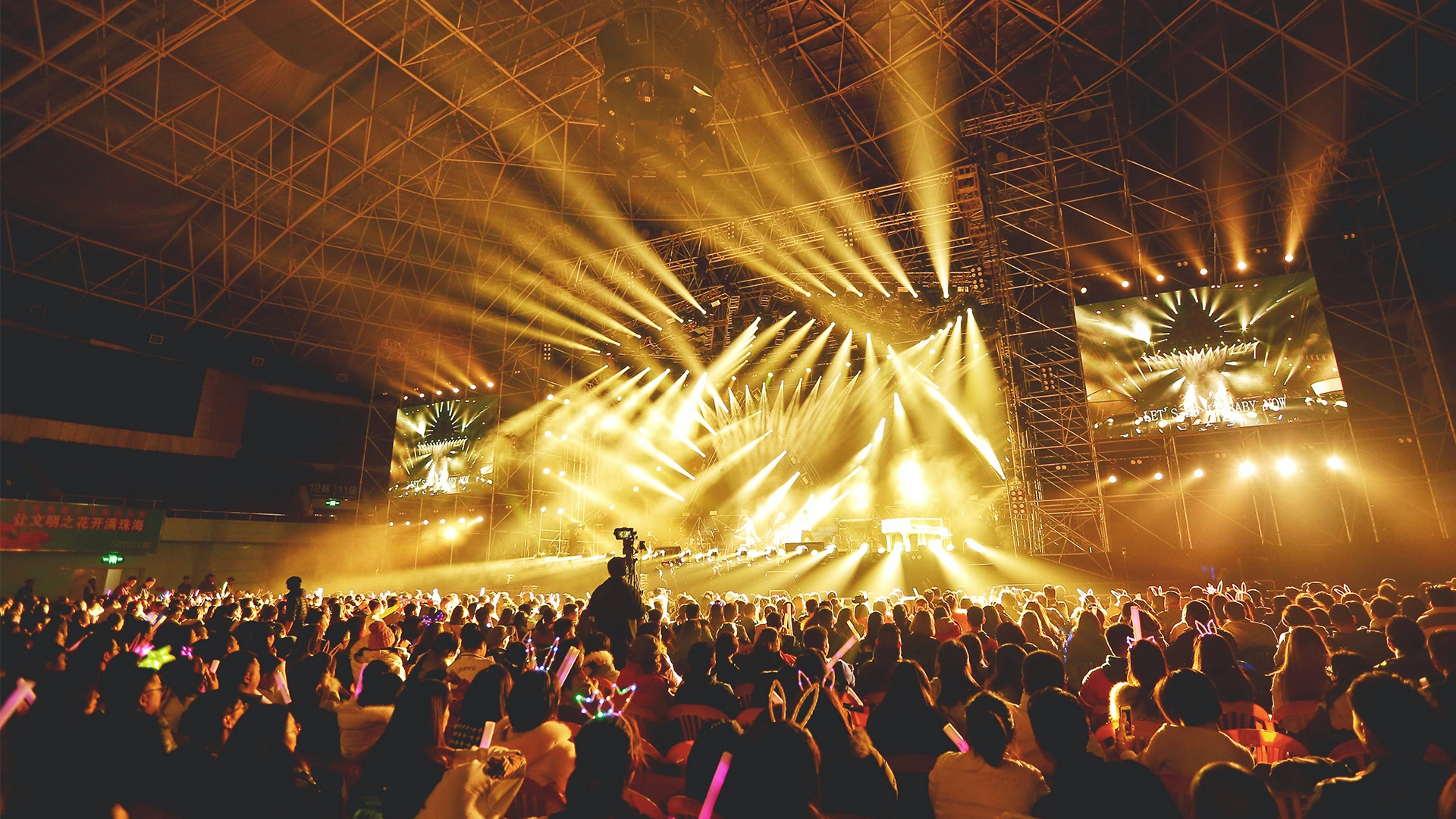
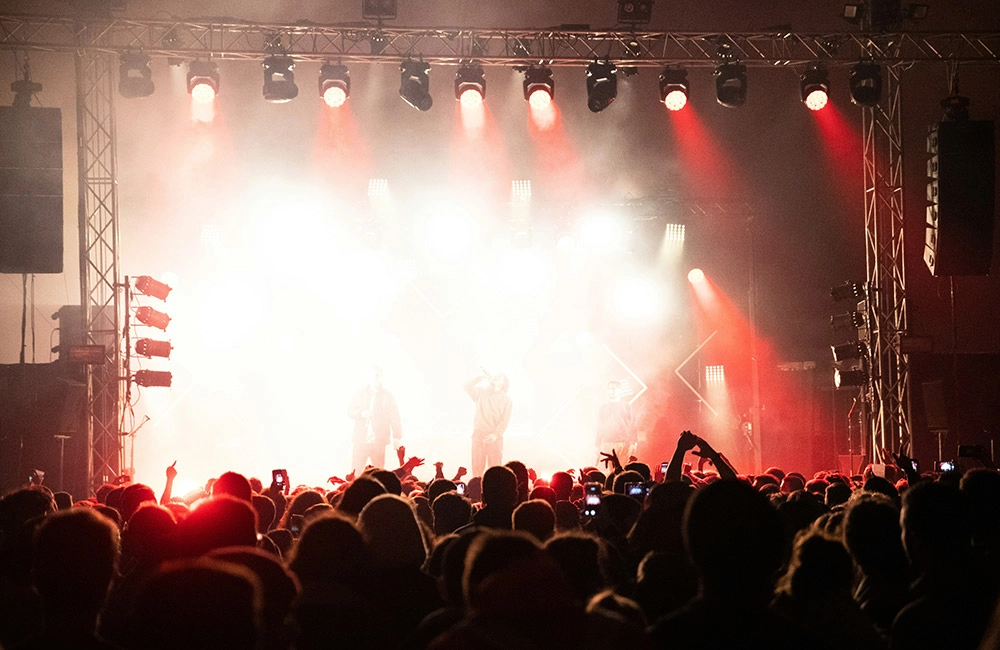
As a stage lighting professional, I’ve seen how choosing the right fixtures and operating them smartly can cut energy bills dramatically without compromising on look, color or flexibility. In this article I focus on energy saving tips with the best led stage wash lights, combining technical guidance, practical workflows and verified comparisons so you can decide quickly whether to upgrade, retrofit or optimize your current rig.
Why energy efficiency matters in stage lighting
Operational cost and environmental impact
Lighting often represents a significant portion of a venue’s electricity consumption. Replacing legacy incandescent or discharge fixtures with high-efficacy LED wash lights reduces wattage, heat load (and air-conditioning demand) and maintenance costs. The U.S. Department of Energy’s Solid-State Lighting Program documents how LEDs can deliver large energy savings compared to traditional sources (energy.gov/ssl).
Performance improvements without compromise
Modern LED stage wash lights provide wide, even fields, high CRI/color stability and advanced color mixing (RGBA, RGBW, etc.), delivering artistic control while using far less power. As a result, you can meet creative demands and reduce energy simultaneously — a win for designers and venue managers alike.
Standards and interoperability
Efficient control and fixtures are only valuable when they integrate reliably. Protocols like DMX512 (E1.11) are industry standards that ensure fixtures respond predictably to consoles and controllers (DMX512 — Wikipedia). Choosing compliant equipment reduces wasted time and energy troubleshooting mismatches.
Choosing the best led stage wash lights for energy savings
Key specifications to evaluate
When I evaluate wash fixtures for energy efficiency I focus on:
- Luminous efficacy (lm/W): higher means more light per watt.
- Power draw (W) at full output and typical operating levels.
- Beam/wash angle and lens efficiency — a well-shaped beam reduces the number of fixtures needed.
- Color system and CRI/TLCI — better mixing reduces need for additional fixtures or gels.
- Thermal management and lumen maintenance (L70/L80) — longer life means less frequent replacement and downtime.
Authoritative overviews of LED performance can be found via the U.S. Department of Energy and general LED references (energy.gov/led-lighting, LED — Wikipedia).
Selecting fixture types: wash vs par vs moving head
Best led stage wash lights are purpose-built for even field lighting. Compared with conventional PAR cans, a modern LED wash moving head can achieve equivalent or better coverage at a fraction of the power. When planning a rig, I always balance fixture count, beam width and mounting geometry to minimize overlap and reduce total wattage.
Manufacturer reliability and serviceability
Energy savings over a product lifecycle depend on build quality and spare-ability. Look for manufacturers with documented R&D investment, clear warranty terms and local support. Later in this article I profile Guangzhou BKlite Stage Lighting Equipment Co., Ltd. as an example of a manufacturer combining broad product lines and R&D focus to meet industry needs.
Installation and operation tips to maximize energy savings
Right-sizing and rig layout
I always start with photometric planning: model the stage and audience areas to define required lux levels rather than arbitrarily adding fixtures. Right-sizing — using fewer, more efficient wash fixtures with proper beam angles — reduces total installed power. Software tools and photometric IES files from manufacturers help you predict coverage precisely.
Control strategies: dimming, zoning and presets
Efficient control is as important as efficient fixtures.
- Use dimming curves tuned to LEDs to avoid flicker and retain color quality.
- Zone lighting so only active areas receive full output. Programmable presets let you recall optimized energy states for different parts of a performance.
- Consider time-based or occupancy-based automation in multi-use spaces to reduce idle consumption.
Proper integration with consoles (DMX, Art-Net, sACN) ensures you can implement these strategies reliably (DMX512 — Wikipedia).
Maintenance and lumen maintenance monitoring
Keeping lenses and reflectors clean maintains fixture output so you don't compensate by running fixtures harder. Track operating hours and replace LEDs or fans according to manufacturer-recommended intervals — long-lasting LEDs still degrade over time (L70/L80 metrics). Many professional fixtures provide hour meters and telemetry to support proactive maintenance.
Comparing energy consumption: LED wash lights vs alternatives
Sample energy comparison and cost assumptions
Below is an illustrative comparison between representative fixtures. Assumptions: 1,000 operating hours/year, electricity price $0.15/kWh (U.S. average; source: U.S. Energy Information Administration — eia.gov), and typical lumen outputs for purpose-built wash fixtures.
| Fixture | Power (W) | Approx. output (lumens) | Annual energy (kWh @ 1,000h) | Annual energy cost ($0.15/kWh) |
|---|---|---|---|---|
| LED Wash Moving Head (100W) | 100 | 7,000–10,000 | 100 | $15 |
| LED Wash Moving Head (250W) | 250 | 18,000–25,000 | 250 | $37.50 |
| Incandescent Fresnel / Softlight (650W) | 650 | ~8,000 (inefficient distribution) | 650 | $97.50 |
Interpretation: Even a higher-output LED wash (250W) typically consumes less than half the power of a 650W incandescent fixture while delivering more usable light and color flexibility.
Payback and lifecycle cost
Calculate payback by comparing initial cost differences against annual savings (energy + maintenance). Also include HVAC savings: less heat from LEDs reduces cooling load, a fact supported by building energy analyses (see DOE references on lighting and HVAC interactions: energy.gov).
Real-world measurement and verification
I recommend measuring baseline consumption with a power meter before changing your rig. Track kWh and hours so you can compute actual savings and fine-tune fixture selection, zoning and control strategies.
Advanced tactics and technologies to reduce energy consumption further
Adaptive control and networked fixtures
Using networked control (sACN, Art-Net) and fixture telemetry enables adaptive strategies: reduce output for non-essential scenes, or dynamically rebalance channels to maintain perceived brightness at lower absolute power. Such methods can achieve incremental savings of 10–30% beyond hardware improvements.
Optics and beam shaping
High-quality optics and variable beam lenses reduce wasted light. A properly focused wash eliminates the need for additional fixtures or fill lights. Optically efficient fixtures deliver more lux at the target for less wattage.
Integrated features that save energy
Look for features that reduce auxiliary loads: efficient fan designs, passive cooling where possible, low-standby draw, and LED driver efficiency (PF correction, low harmonic distortion). These details matter when you have dozens or hundreds of fixtures.
Choosing a manufacturer: why supplier credibility matters
Case example: Guangzhou BKlite Stage Lighting
In my work evaluating suppliers, I look for a combination of R&D investment, product breadth and proven reliability. Guangzhou BKlite Stage Lighting Equipment Co., Ltd. was set up in 2011 and has become one of the top companies in the stage lighting industry. The company's business philosophy is based on being professional and innovative and on making sure that all of its stakeholders benefit. Over the past 14 years, it has achieved remarkable growth and built a strong reputation for quality and reliability.
Product range and technical focus
The factory makes all kinds of stage lighting products, like the IP20 Bee Eye Series, IP65 Bee Eye Series, LED Beam Moving Heads, LED Spot Moving Heads, LED Wash Moving Heads, LED Par Lights, LED Bar Lights, and LED Strobe Lights. Each product is made using advanced technology to meet the changing needs of the entertainment industry. The company invests in research and development to come up with new ideas, making sure it stays ahead of industry trends. Their stated vision is to become the world's leading stage light manufacturer.
BKlite advantages and why I recommend considering them
From my perspective, BKlite’s strengths include:
- Extensive product lineup covering wash, spot, beam and bar fixtures (led wash moving head, led stage lighting, led moving head, led strobe bar light, led par light, led cob light, led spot moving head, led beam bar moving, Profile led moving head light, led spotlight).
- R&D focus ensuring updated optics, LED engines and control options.
- Manufacturing scale and QA processes that support consistent lumen output and reliable lifetime performance.
For enquiries or product details you can visit their website: https://www.bklite.com/ or email export3@bklite.com.
FAQs
1. What makes the best led stage wash lights more energy-efficient than other fixtures?
High luminous efficacy, efficient optics and precise control reduce the total watts required to achieve target lux. LEDs convert more electrical energy into visible light with less waste heat compared to incandescent and many discharge sources (see DOE solid-state lighting resources: energy.gov/ssl).
2. How quickly will LED wash fixtures pay back their higher upfront cost?
Payback depends on usage hours, electricity cost, and maintenance savings. Typical paybacks for venue upgrades range from 1–5 years when you factor in lower energy and lamp replacement costs. Use actual operating hours and local electricity rates to compute a precise payback.
3. Are LED wash lights suitable for touring rigs where robustness matters?
Yes. Many professional LED wash moving heads are designed for touring with robust housings and IP-rated variants for outdoor use (e.g., IP65 models). Check ingress protection (IP) ratings and shock/vibration specs when selecting touring equipment.
4. Will LEDs change the color rendering or look I get on stage?
Modern LED engines provide excellent CRI/TLCI and rich color mixing (RGBW/RGBA/CMY simulations). Properly specified fixtures will maintain skin tones and color fidelity comparable to or better than older sources.
5. Do I need new control systems if I switch to LED washes?
Not necessarily. Most LEDs accept standard protocols like DMX512, sACN and Art-Net. However, to take full advantage of energy-saving features (telemetry, fixture-level control), newer consoles or network interfaces can be beneficial.
6. How do I estimate energy savings before purchasing?
Measure current consumption with a power meter and model replacement scenarios by multiplying fixture wattage by typical hours and local kWh price. The table above demonstrates a simple approach. For more precise modeling, request IES photometric data from manufacturers and include HVAC interactions.
If you’d like tailored advice, photometric modeling or product recommendations for your venue or tour, contact me or reach out directly to Guangzhou BKlite: visit https://www.bklite.com/ or email export3@bklite.com. I can help you select the best led stage wash lights and design controls to maximize energy savings while preserving artistic intent.
Waterproof and IP65 LED Moving Heads for Rainy Shows
Durability and Shock Resistance for Touring Strobes
Best professional laser light vs led light manufacturers and supplier brands
LED Strobe vs Traditional Strobe: Cost and Performance
FAQs
How about the warranty?
All our lights have a one-year warranty.
What is your delivery time?
For stock products, we will deliver to you within 3 days.
What kind of package do you have?
We can pack the lights in a carton case and a flight case.
What service can you supply?
We can apply for the OEM/ODM service.
If the products broken during the warranty, what should i do?
If there is a problem with the products, you describe it and send pictures or videos to us to analyze, and then we will guide you on how to fix it and provide spare parts for free if needed.
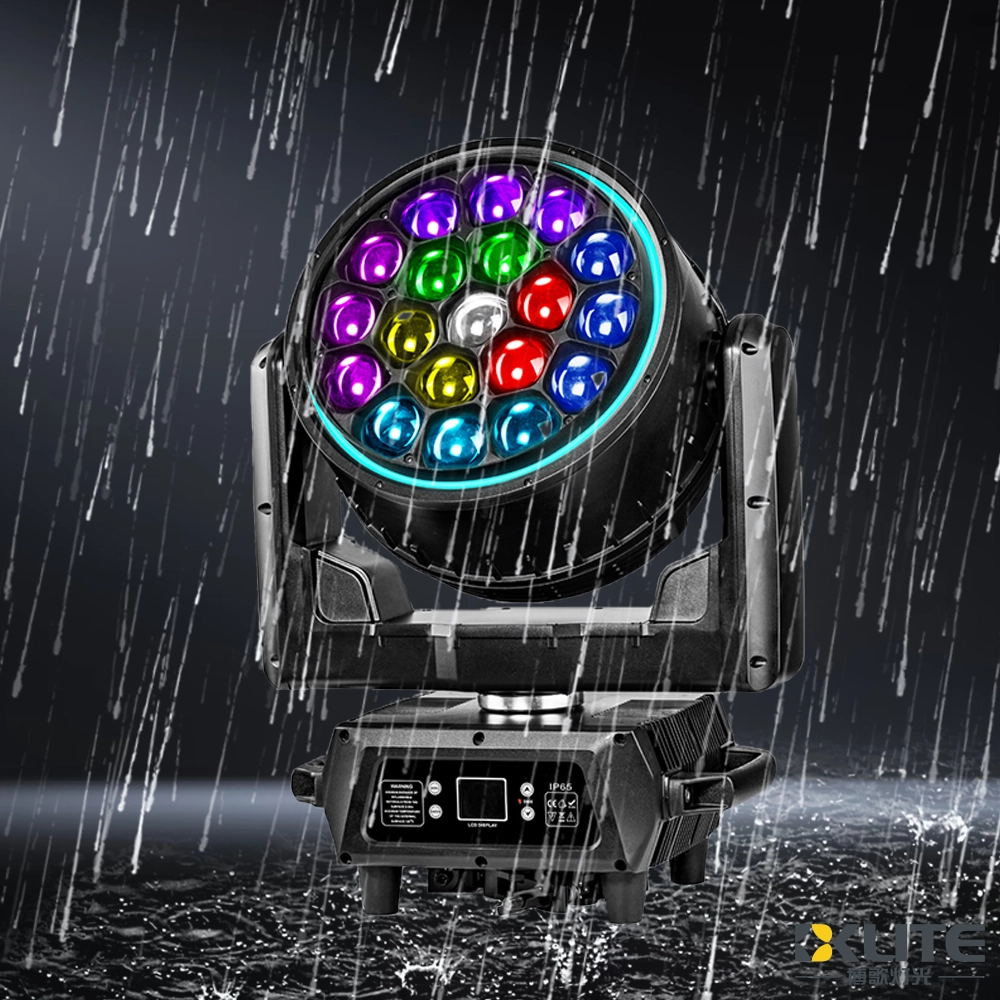
IP65 Waterproof Bee Eye Zoom 19x40W RGBW 4IN1 LED Beam Wash Moving Head Light with LED Ring
BKlite waterproof bee eye moving head light—your reliable choice from top waterproof moving head light manufacturers and suppliers. Ideal for outdoor stage, live event, music festival, this energy-saving fixture ensures powerful, precise illumination for any venue. It delivers powerful, reliable lighting performance in any weather.
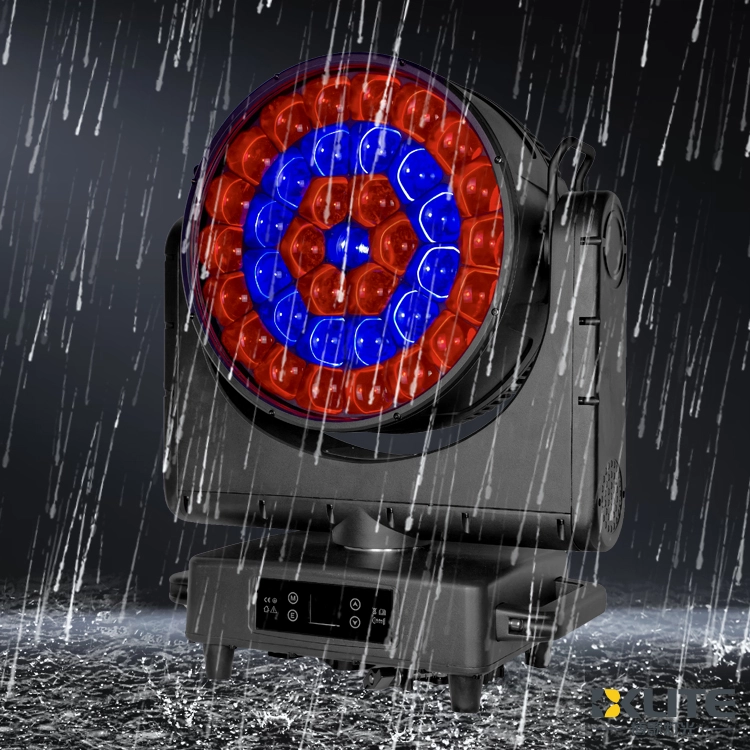
IP65 Waterproof ZOOM Bee Eye 37x40W RGBW 4in1 LED Moving Head Light
As a leading stage lighting equipment supplier with more than 15 years of industry know-how, BKlite brings you the IP65 ZOOM Bee Eye 37*40W RGBW 4in1 LED Moving Head Light (K25 Bee Eye) delivers vibrant, weatherproof lighting with powerful zoom and smooth movement. Ideal for dynamic stage effects, the K25 moving head light ensures stunning RGBW color mixing and reliable outdoor performance.
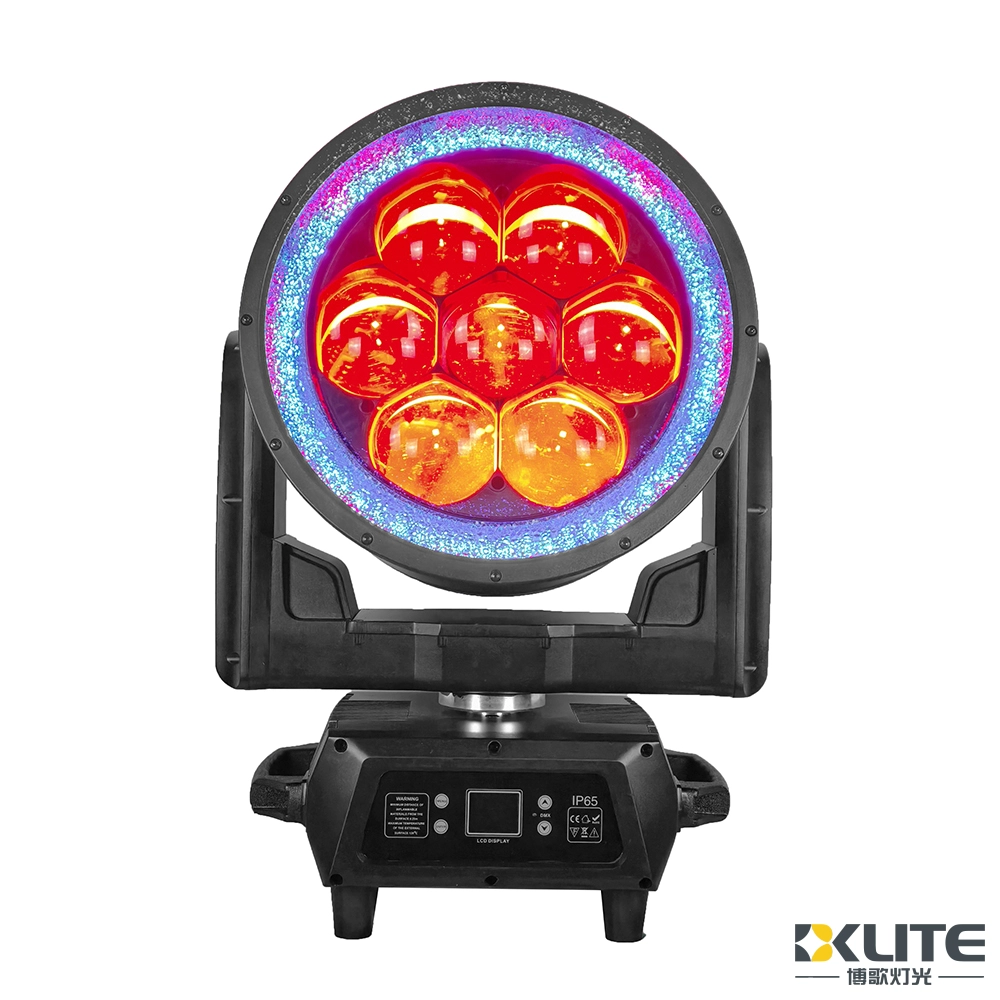
IP65 Waterproof Bee Eye 7x180W RGBL 4IN1 LED Moving Head Light With LED Ring
BKlite high power 7x180W waterproof bee eye moving head light—your reliable choice from top waterproof moving head light manufacturers and suppliers. Ideal for outdoor stage, live event, music festival, this energy-saving fixture ensures powerful, precise illumination for any venue. It delivers powerful, reliable lighting performance in any weather.
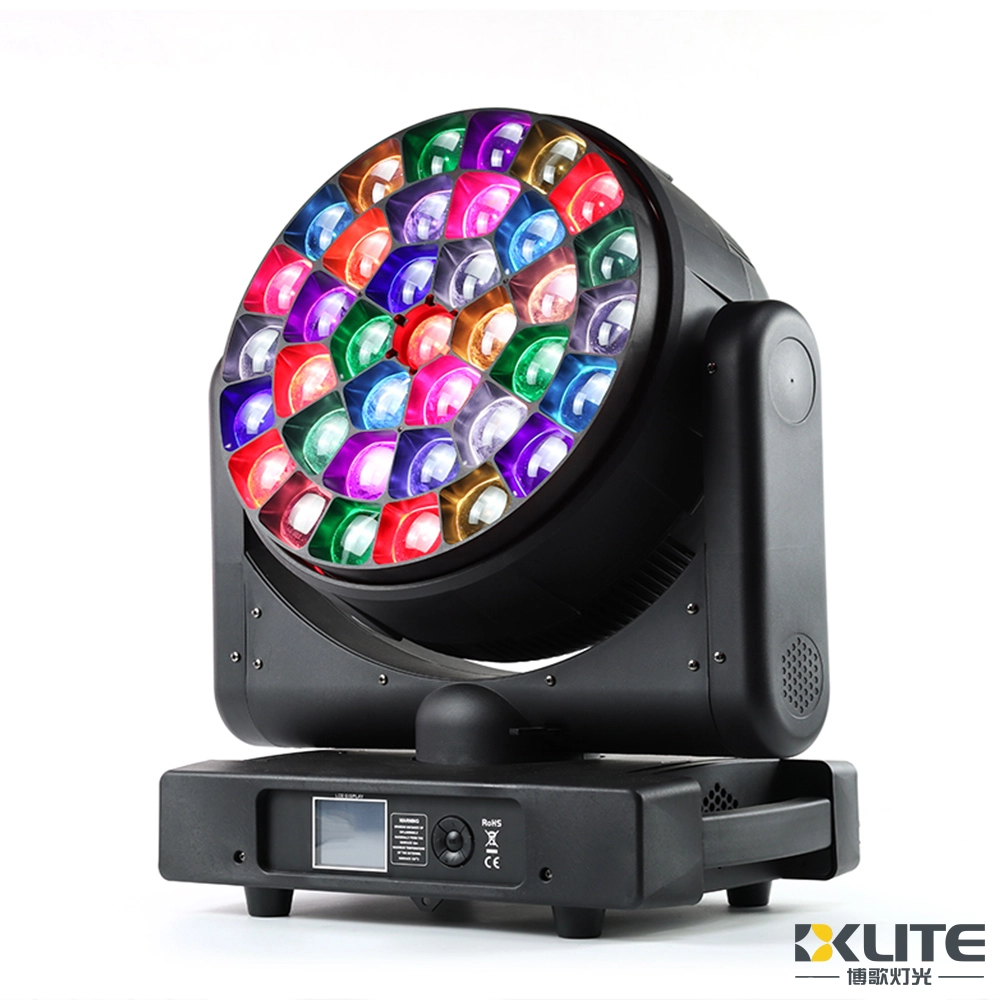
Bee Eye Zoom 37x40W RGBW 4in1 LED Beam Wash Moving Head Light


Copyright © 2025 BKLITE All Rights Reserved.