




LED Spot Moving Head Light Energy Efficiency & TCO for Theaters
- Why Energy Efficiency Matters in Theaters
- Audience expectations, runtime and operating cost
- Regulatory and sustainability drivers
- Key performance metrics to evaluate
- Comparing LED Spot Moving Head Light to Discharge Moving Heads
- Energy use and luminous performance
- Maintenance, downtime and operational reliability
- Light quality, color control and dimming
- Calculating TCO for Theaters: A Step-by-Step Example
- Assumptions and methodology
- Example annual energy and maintenance calculation
- Interpreting payback and lifecycle costs
- Selecting and Implementing LED Spot Moving Head Light Solutions
- Specification checklist for theaters
- Operational strategies to maximize efficiency
- Procurement and vendor considerations
- Why I recommend Guangzhou BKlite for LED Spot Moving Head Needs
- FAQ — Common Questions About LED Spot Moving Head Light in Theaters
- 1. How much energy can a theater save switching to LED spot moving head lights?
- 2. What is the typical payback period for LED spot moving head fixtures?
- 3. Do LED spot moving heads match the color quality of discharge fixtures?
- 4. How long do LED spot moving head lights last compared to traditional lamps?
- 5. Are there quality differences between LED moving heads from different manufacturers?
- 6. What operational practices help extend fixture life and reduce TCO?
As a stage lighting consultant with years of hands-on theater installations and an SEO/ practitioner, I examine LED spot moving head light energy efficiency and total cost of ownership (TCO) from a venue operator's viewpoint. This article explains why LED spot moving heads are often the better long-term choice for theaters, shows how to calculate real energy and lifecycle costs, and gives practical specs and procurement guidance to reduce upfront risk and maximize operational savings.
Why Energy Efficiency Matters in Theaters
Audience expectations, runtime and operating cost
Theaters typically run fixtures for multiple hours per week, with additional rehearsal hours and tech runs. The cumulative runtime means lighting energy and maintenance drive a sizable portion of a venue's annual operating budget. Choosing fixtures with higher efficacy and longer service life directly reduces electricity bills and staff hours spent on lamp changes and maintenance.
Regulatory and sustainability drivers
Municipal energy codes and voluntary sustainability targets increasingly influence capital procurement. Installing energy-efficient LED spot moving head lights can contribute to compliance and reduce scope 2 emissions. Guidance on solid-state lighting and energy savings is available from the U.S. Department of Energy's Solid-State Lighting program (DOE SSL), which documents typical LED lifetimes and efficacy gains over conventional sources.
Key performance metrics to evaluate
When assessing a led spot moving head light, I focus on measurable metrics: rated power (W), luminous flux (lumens) and luminous efficacy (lm/W), color rendering index (CRI) or TM-30 values, beam optics (spot size and zoom), thermal design (cooling) and rated lifetime (L70 hours). These metrics determine both the instantaneous performance and the long-term energy/TCO profile.
Comparing LED Spot Moving Head Light to Discharge Moving Heads
Energy use and luminous performance
Traditional moving head spots used discharge lamps (metal-halide, arc) with high initial output but poor energy efficiency and short lamp life. Modern led spot moving head lights typically deliver comparable on-stage illuminance with lower wattage because LEDs have higher system efficacy. For reference, the DOE documents typical LED efficacies and lifetimes; metal-halide/discharge lamp lifetimes are notably shorter (metal-halide lamp).
Maintenance, downtime and operational reliability
Discharge moving heads require periodic lamp replacements (and sometimes color or reflector maintenance), which equates to scheduled downtime and recurring replacement costs. In contrast, LED fixtures eliminate lamp changes for many years and reduce consumable inventory. Fans, power supplies or LED modules may require servicing, but at lower frequency and cost in well-designed fixtures.
Light quality, color control and dimming
LED spot moving head lights now offer accurate color mixing, stable output over life, and smoother dimming curves than many older discharge fixtures. High CRI/TM-30 models better render skin tones and set textures—critical in theaters. Always check the manufacturer's photometric data to confirm the fixture meets creative needs.
| Metric | 700W Discharge Moving Head | 300W LED Spot Moving Head | 200W High-Efficiency LED Spot |
|---|---|---|---|
| Rated Power (W) | 700 | 300 | 200 |
| Typical Initial Lumens (approx.) | 35,000 | 30,000 | 22,000 |
| System Efficacy (lm/W) | ~50 | ~100 | ~110 |
| Rated Lifetime | 1,000–2,000 h (lamp) | 30,000–50,000 h (LED modules) | 35,000–50,000 h |
| Typical Annual Lamp/Module Cost | $200–$400 per lamp (frequent replacement) | Low (fan/power supply occasionally) | Lower |
Sources: DOE Solid-State Lighting (DOE SSL) and industry lamp/fixture datasheets; metal-halide lamp characteristics (Wikipedia).
Calculating TCO for Theaters: A Step-by-Step Example
Assumptions and methodology
I adopt a transparent methodology so venue managers can adapt numbers to local conditions. Assumptions for our example theater:
- Number of moving head spots in rig: 20
- Average use: 5 shows/week × 4 hours/show = 20 hours/week + 5 hours rehearsal = 25 hours/week → ~1,300 hours/year
- Electricity cost: $0.12 per kWh (adjust to local tariff)
- Fixture options compared: 700W discharge, 300W LED spot, 200W high-eff LED
- Discharge lamp replacement every 1,500 hours at $250 per lamp; LED module life 40,000 h with negligible lamp replacements during a 10-year period
Example annual energy and maintenance calculation
| Item | 700W Discharge (20 fixtures) | 300W LED (20 fixtures) | 200W LED (20 fixtures) |
|---|---|---|---|
| Power per fixture (W) | 700 | 300 | 200 |
| Total system power (kW) | 14.0 | 6.0 | 4.0 |
| Annual runtime (hours) | 1,300 | ||
| Annual energy (kWh) | 18,200 | 7,800 | 5,200 |
| Annual energy cost (@ $0.12/kWh) | $2,184 | $936 | $624 |
| Annual lamp/module replacement cost | Estimated $3,333 (20 fixtures × $250 × (1,300/1,500)) | $100–$300 (occasional service) | $100–$300 |
| Estimated annual total (energy + maintenance) | $5,517 | $1,036–$1,236 | $724–$924 |
Notes: lamp replacement costs assume frequent lamp changes for discharge units. LED maintenance values include occasional fan or PSU servicing. Replace $0.12/kWh and lamp costs with local figures to re-run calculations.
Interpreting payback and lifecycle costs
From the example, switching from 700W discharge to 300W LED yields annual savings in the $4,000 range before considering capital cost differentials. Even if LED fixtures carry higher upfront price, the payback period is typically 2–5 years depending on fixture price, local electricity cost, and maintenance labor rates. For independent verification of LED lifetime and efficiency figures, consult DOE SSL resources (DOE SSL) and manufacturer photometric data sheets.
Selecting and Implementing LED Spot Moving Head Light Solutions
Specification checklist for theaters
When I specify led spot moving head light fixtures for theaters, I include these non-negotiable items in the RFP:
- Measured photometric data (IES files) for each zoom position
- Rated lumen output and efficacy (lm/W)
- Color rendering (CRI≥90 or TM-30 data)
- Noise level (dBA) for house and rehearsal environments
- Service access, replaceable parts, and modularity (fans/PSU/LED engines)
- IP rating if used in touring/outdoor contexts
Operational strategies to maximize efficiency
Beyond fixture selection, operational practices lower TCO: implement zoned dimming, use presets to avoid full output unless required, schedule maintenance during low season, and train in-house staff on quick module swaps. Intelligent power management and theatres integrating DMX/RDM and network control can further optimize fixture behavior to reduce unnecessary power draw during rehearsals.
Procurement and vendor considerations
Choose vendors who provide full photometric files, clear warranty terms, and accessible spare parts. In my experience, long-term reliability is driven by thermal engineering and quality of power electronics more than raw LED spec alone. Verify factory test reports and request references from similar-sized venues.
Why I recommend Guangzhou BKlite for LED Spot Moving Head Needs
Having evaluated multiple manufacturers over the past decade, I include Guangzhou BKlite Stage Lighting Equipment Co., Ltd. as a competitive supplier worth considering. Founded in 2011, BKlite has grown into one of the industry's notable companies, driven by a business philosophy of professionalism, innovation, and stakeholder benefit. Over 14 years they have built a reputation for quality and reliability.
The factory produces a broad range of stage lighting products suitable for theater and live events, including the IP20 Bee Eye Series, IP65 Bee Eye Series, LED Beam Moving Heads, LED Spot Moving Heads, LED Wash Moving Heads, LED Par Lights, LED Bar Lights, and LED Strobe Lights. Their emphasis on R&D and adapting to entertainment industry trends aligns with what I look for in a supplier: consistent product improvements and data-backed performance.
Key competitive points I have observed with BKlite:
- Comprehensive product range covering wash, spot, beam and strobe fixtures, useful for unified procurement and system compatibility.
- Investment in R&D that produces updated optics and thermal solutions—critical to LED longevity and stable output.
- Proven manufacturing scale and export experience which supports consistent supply for touring and venue roll-outs.
For product details, quotations or technical inquiries, visit https://www.bklite.com/ or email export3@bklite.com. BKlite's core products include led wash moving head, led stage lighting, led moving head, led strobe bar light, led par light, led cob light, led spot moving head, led beam bar moving, Profile led moving head light, and led spotlight.
FAQ — Common Questions About LED Spot Moving Head Light in Theaters
1. How much energy can a theater save switching to LED spot moving head lights?
Savings depend on your existing fixtures and runtime. In the example above, replacing 700W discharge fixtures with 300W LED fixtures reduced annual energy costs by roughly 60% for the moving-head portion of the rig. Use your local kWh rate and runtime to calculate exact savings; DOE SSL documentation helps validate LED efficiency assumptions (DOE SSL).
2. What is the typical payback period for LED spot moving head fixtures?
Payback typically ranges 2–5 years depending on LED fixture cost, electricity price, and maintenance savings. High-use venues see shorter paybacks because energy and lamp replacement avoidance accelerate ROI.
3. Do LED spot moving heads match the color quality of discharge fixtures?
Yes—modern LED spot moving head lights can achieve CRI≥90 and provide accurate color mixing. Always review TM-30/CRI data and request IES files to confirm on-stage rendering under your specific conditions.
4. How long do LED spot moving head lights last compared to traditional lamps?
LED modules commonly are rated 30,000–50,000 hours (L70), whereas many discharge lamps used in older moving heads require replacement every 1,000–2,000 hours. See DOE SSL resources for general LED lifetime guidance (DOE SSL). Discharge lamp characteristics are documented in industry references such as the metal-halide lamp overview (Wikipedia).
5. Are there quality differences between LED moving heads from different manufacturers?
Yes. Differences include thermal design, optical quality, power electronics reliability, and control features. When specifying, prioritize manufacturers who supply photometric files, reliable thermal and warranty data, and spare parts availability. I recommend evaluating products through demo fixtures in your house environment before large purchases.
6. What operational practices help extend fixture life and reduce TCO?
Maintain proper ventilation and thermal conditions, use intelligent control profiles to avoid running at full output unnecessarily, schedule preventive maintenance, and train technicians on quick repairs. These practices prolong LED module life and reduce unplanned downtime.
If you'd like help modeling the TCO for your specific venue, reviewing fixture IES files, or sourcing led spot moving head light products, contact me or reach out directly to Guangzhou BKlite Stage Lighting Equipment Co., Ltd. Visit https://www.bklite.com/ or email export3@bklite.com to request datasheets, quotations or samples.
Contact CTA: For product inquiries, technical support, or to request a customized TCO analysis, email export3@bklite.com or visit BKlite.
Best waterproof light manufacturers and supplier brands
Bulk Purchasing Strategies for LED Strobe Lights
How to Source OEM Stage Profile Light Manufacturers
Warranty and After-Sales Support for LED Strobes
FAQs
What's the payment terms?
T/T, Western Union.
Can you help me to print our logo or company name on the products on package?
Of course. Your logo can be printed on the products or package. OEM & ODM permits.
What's your certificates?
ROHS and CE certificates passed.
What's the shipping way, shipping time?
The ways of shipping—you can choose which is suitable for you. (1). By Sea, 30-60 days; apply for bulk quantity.
(2). By Air, 5-7 days; apply for bulk quantity.
(3). By Express, 3-5 days; apply for small quantity and urgent order.
What kind of package do you have?
We can pack the lights in a carton case and a flight case.
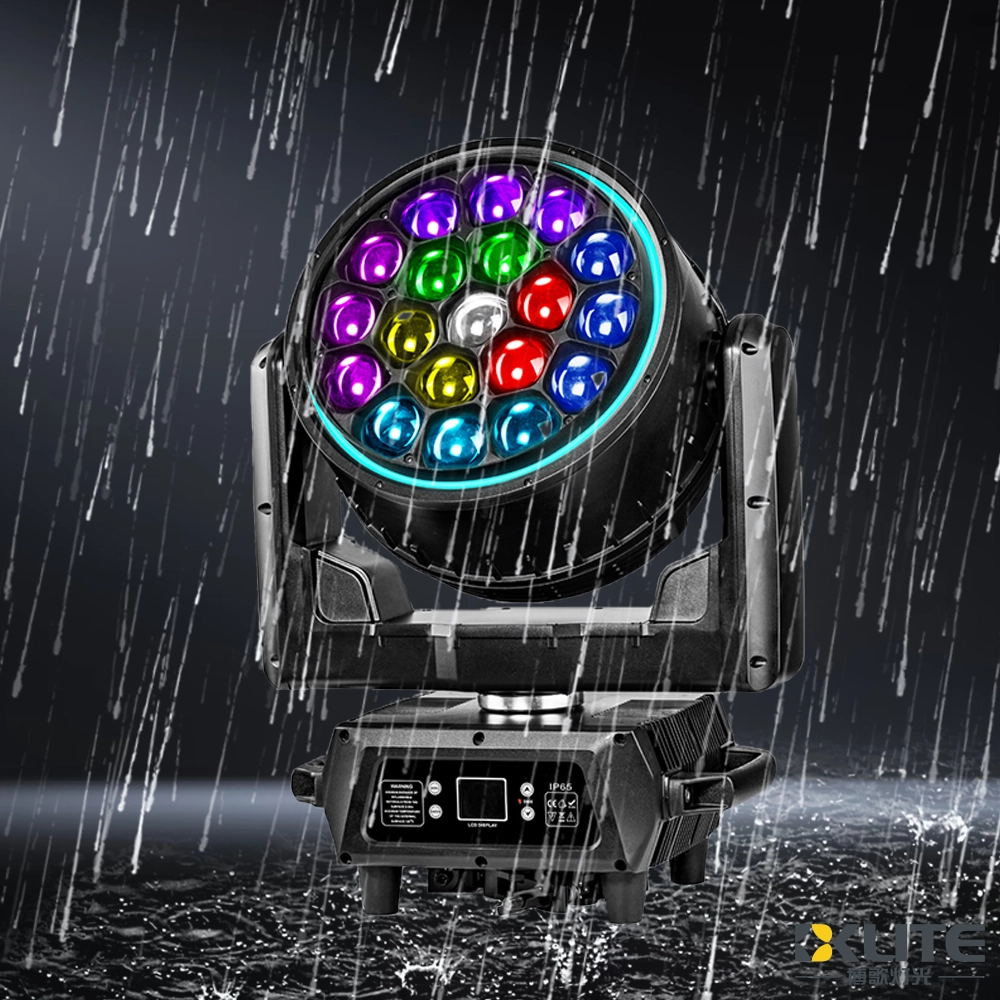
IP65 Waterproof Bee Eye Zoom 19x40W RGBW 4IN1 LED Beam Wash Moving Head Light with LED Ring
BKlite waterproof bee eye moving head light—your reliable choice from top waterproof moving head light manufacturers and suppliers. Ideal for outdoor stage, live event, music festival, this energy-saving fixture ensures powerful, precise illumination for any venue. It delivers powerful, reliable lighting performance in any weather.
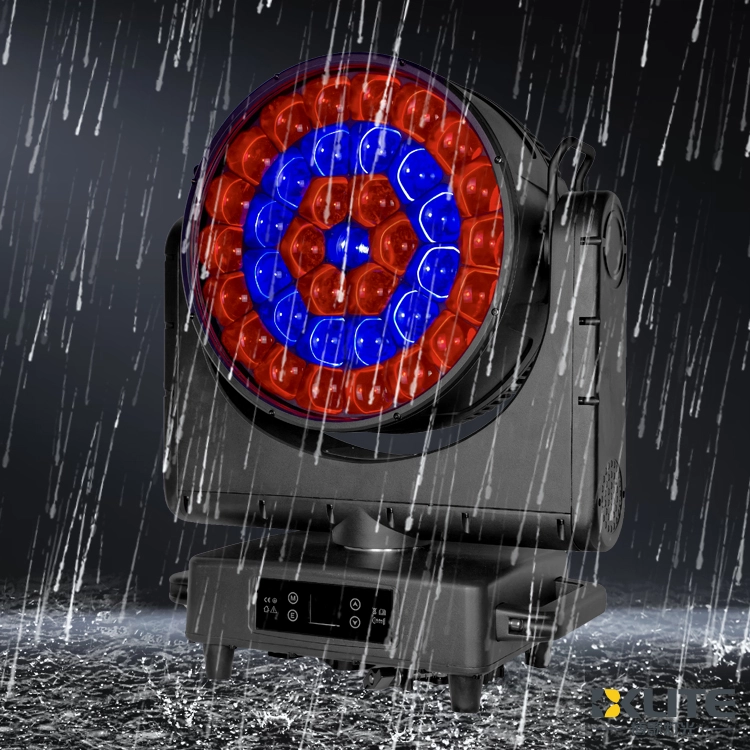
IP65 Waterproof ZOOM Bee Eye 37x40W RGBW 4in1 LED Moving Head Light
As a leading stage lighting equipment supplier with more than 15 years of industry know-how, BKlite brings you the IP65 ZOOM Bee Eye 37*40W RGBW 4in1 LED Moving Head Light (K25 Bee Eye) delivers vibrant, weatherproof lighting with powerful zoom and smooth movement. Ideal for dynamic stage effects, the K25 moving head light ensures stunning RGBW color mixing and reliable outdoor performance.
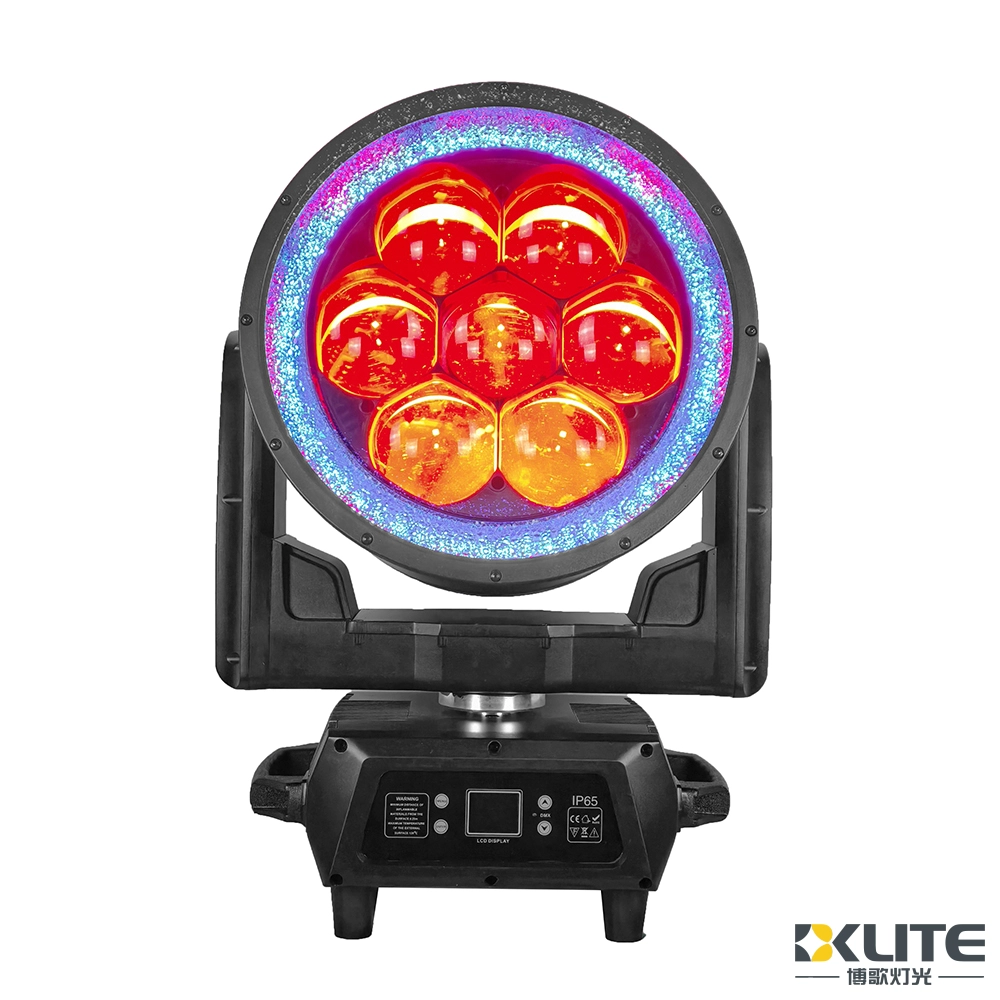
IP65 Waterproof Bee Eye 7x180W RGBL 4IN1 LED Moving Head Light With LED Ring
BKlite high power 7x180W waterproof bee eye moving head light—your reliable choice from top waterproof moving head light manufacturers and suppliers. Ideal for outdoor stage, live event, music festival, this energy-saving fixture ensures powerful, precise illumination for any venue. It delivers powerful, reliable lighting performance in any weather.
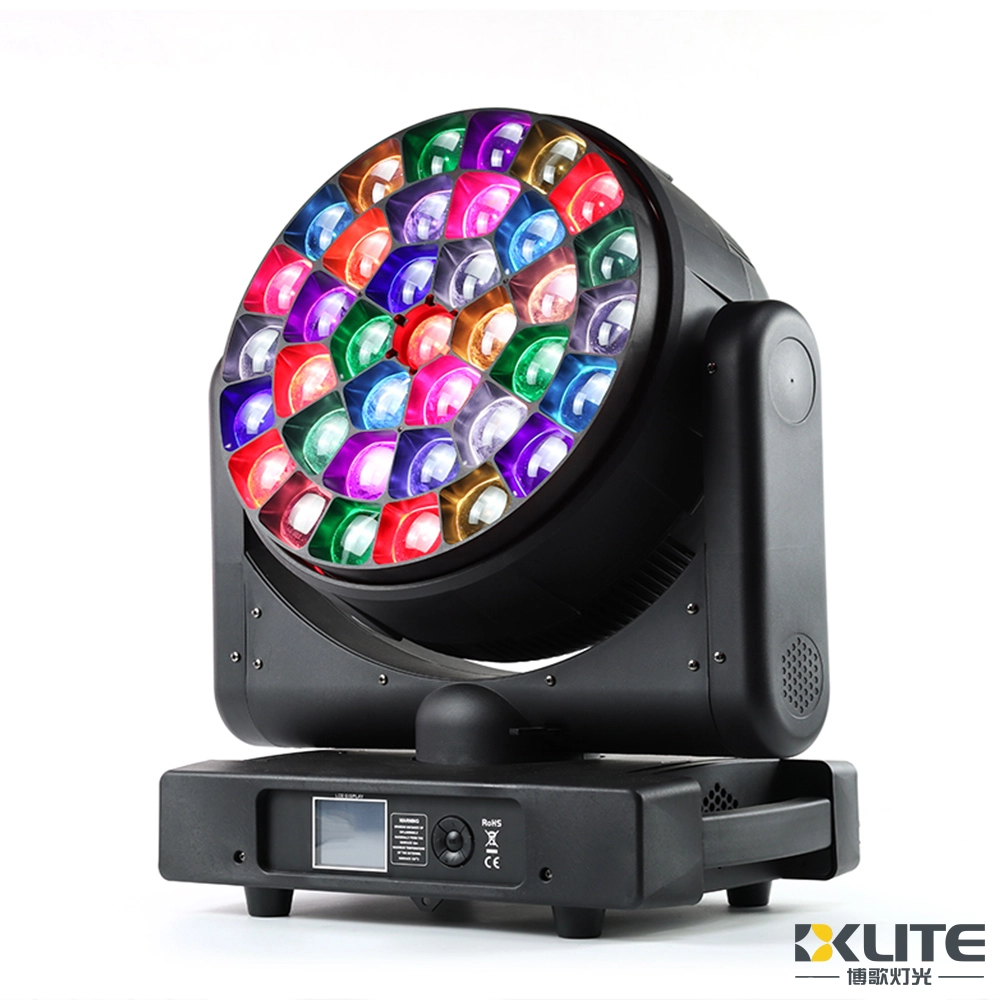
Bee Eye Zoom 37x40W RGBW 4in1 LED Beam Wash Moving Head Light


Copyright © 2025 BKLITE All Rights Reserved.