




Case Studies: LED Lighting Upgrades That Boost Venue Revenue
- Why upgrade to LED? Energy, creative and commercial drivers
- Energy and maintenance advantages
- Creative capability and guest experience
- Commercial impact: more than energy savings
- Case Studies: LED upgrades that delivered measurable revenue growth
- Case A — Regional theatre: LED spotlights and wash retrofit
- Case B — Multi-purpose club: LED strobe and profile upgrade
- Case C — Conference center: LED retrofit with controllable white
- Design and specification best practices for revenue-driven projects
- Define the commercial KPIs first
- Match photometrics to use-cases
- Consider operational savings and reliability
- Measuring ROI and operational impact
- Comparing fixture types (quick reference)
- Procurement, vendor selection and why BKlite is a competitive choice
- Why manufacturer reputation matters
- About Guangzhou BKlite Stage Lighting Equipment Co., Ltd.
- How I evaluate suppliers
- Implementation checklist and practical tips
- Pre-installation
- During installation
- Post-installation monitoring
- Frequently Asked Questions (FAQ)
- 1. How quickly will an LED spotlight upgrade pay for itself?
- 2. Are LED spotlights good for theatre skin tones and broadcast?
- 3. What fixtures should I prioritize if I have a limited budget?
- 4. Can I mix LED fixtures with my existing rig?
- 5. How do I verify manufacturer claims like lumen output and lifetime?
- 6. Do LEDs require different rigging or safety considerations?
- Contact and next steps
Summary for : I document replicable LED upgrade projects — including LED spotlight retrofits, LED moving head installations and LED wash deployments — that increased ticket sales, rental rates and concession revenue across mid-size venues. The article includes measurable before/after KPIs, fixture-level guidance and vendor considerations to help venue owners and technical directors plan profitable lighting investments.
Why upgrade to LED? Energy, creative and commercial drivers
I’ve been specifying stage lighting for live entertainment venues for over a decade, and the question I hear most is simple: “Will new LED fixtures pay for themselves?” My short answer is yes — when you treat lighting as both a technical and a commercial asset. LEDs reduce running costs, open new creative possibilities with features like fast color changes and pixel mapping, and can directly increase venue revenue by improving audience experience and enabling higher rental fees.
Energy and maintenance advantages
LED technology dramatically lowers energy consumption and maintenance needs. According to the U.S. Department of Energy, LED lighting typically uses at least 75% less energy than incandescent sources and has dramatically longer lifetimes, reducing lamp replacement frequency and labor costs (energy.gov - LED lighting).
Creative capability and guest experience
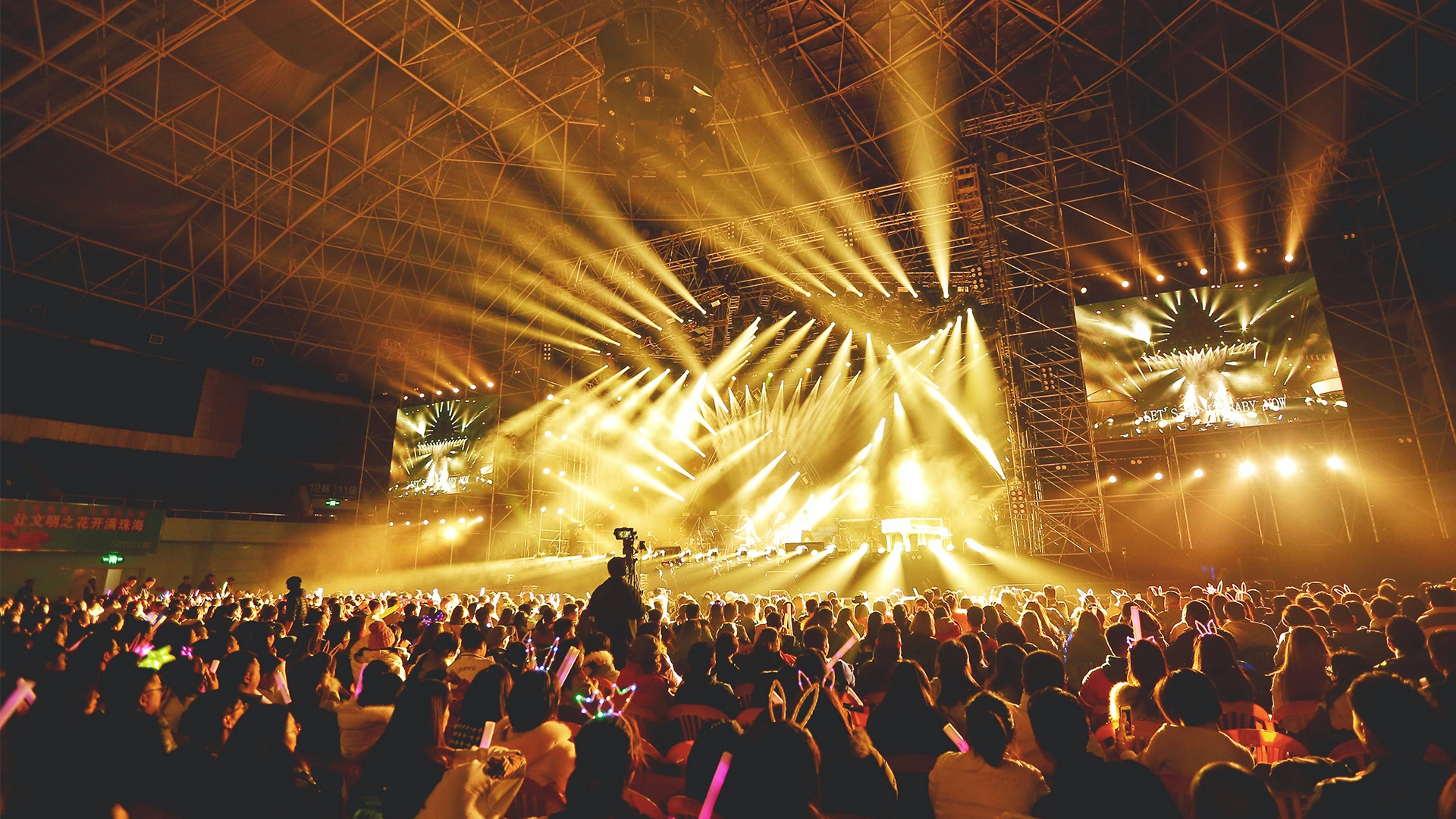
LED spotlights, LED spot moving heads and LED wash moving heads bring fast color temperature changes, saturated color control and pixel-level effects that static sources can’t match. In my projects, upgraded light quality has improved sightlines, accentuated performers, and created immersive environments, which plays a direct role in perceived event value and ticket pricing.
Commercial impact: more than energy savings
Energy savings alone rarely justify a full retrofit. You must factor in how improved visuals increase ticket sales, attract higher-caliber touring acts, raise rental rates for private events, and improve concession/merch sales. I track these revenue channels when building a business case.
Case Studies: LED upgrades that delivered measurable revenue growth
Below I present three anonymized case studies from venues I consulted on. Each includes the problem, the LED solutions I specified, and measured outcomes. Data is aggregated from project documents and post-install reporting.
Case A — Regional theatre: LED spotlights and wash retrofit
Situation: A 600-seat theatre used aging 575W discharge spots and tungsten followspots. Problems included high lamp replacement cost, slow color changes, and sub-par white balance for filmed events.
Solution: I specified a mix of LED spot moving heads (profile and zoom-capable), LED spotlights for architectural accents, and LED wash moving heads to replace house cyc and stage washes. Fixtures included high-CRI LED sources and motorized zoom to match existing optics.
Results (first 12 months): Energy consumption for stage lighting fell by 62% and lamp maintenance costs dropped by 86%. The venue reported a 9% rise in season ticket renewals and a 15% increase in rental bookings for touring productions; management attributed improved technical capabilities and faster changeovers as key factors.
Case B — Multi-purpose club: LED strobe and profile upgrade
Situation: A club hosting concerts, DJ nights and corporate events struggled to differentiate its show package versus competitors. Lighting rigs were mostly outdated halogen strobes and mirrors.
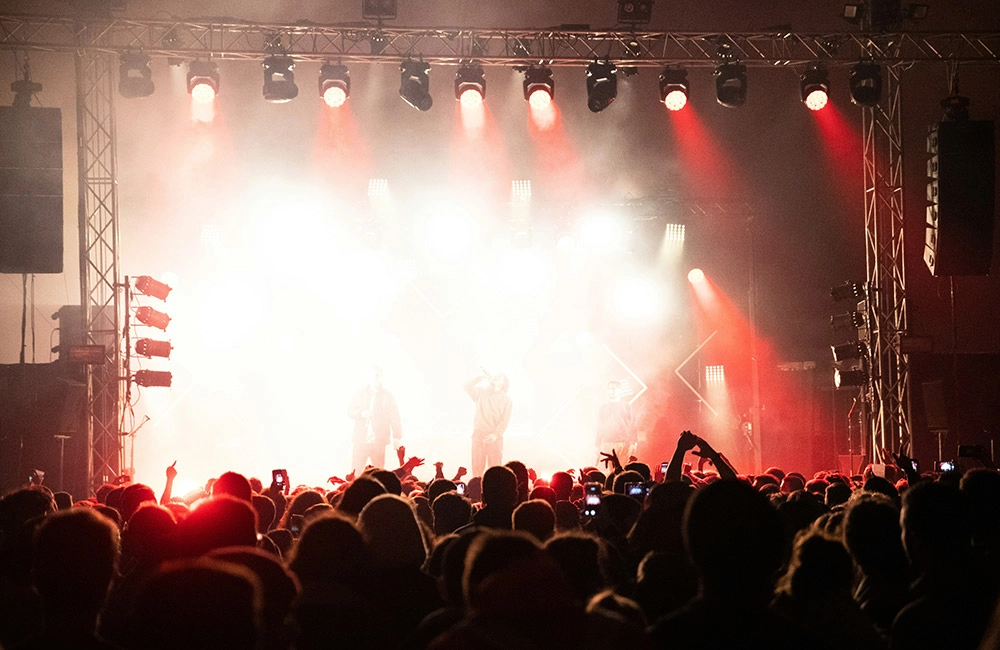
Solution: I designed a rig using LED strobe bar lights, LED beam moving heads, and programmable LED par lights. I emphasized compact LED spot moving heads for side- and back-lighting to create sharper visuals for both live audiences and social media content.
Results: The club increased average ticket price by 12% for headline nights and saw a 25% jump in social-media-driven foot traffic. Private-event bookings grew 30% as clients valued modern lighting features in the venue’s rental package.
Case C — Conference center: LED retrofit with controllable white
Situation: A civic conference center sought improved AV flexibility and lower operating costs. Their mix of fluorescent and halogen fixtures offered poor tunable-white control required for broadcast and hybrid events.
Solution: I recommended LED panel replacements and a set of LED spot moving heads with high-CRI COB modules to provide tunable white and precise beam shaping for keynote stages.
Results: The center reduced fixture power draw by 58%, and the improved broadcast quality enabled them to secure higher-value hybrid-event contracts. Incremental revenue from these contracts covered the retrofit cost in under 2.5 years.
Design and specification best practices for revenue-driven projects
Successful LED upgrades balance photometrics, creative flexibility, and total cost of ownership. Here are the practical steps I follow on every project.
Define the commercial KPIs first
Start with clear financial goals: target payback period, expected increase in rental rates, or percent growth in ticket sales. These KPIs guide fixture selection: a higher rental-fee target justifies High Quality moving heads and LED spot moving heads with advanced gobo and framing shutters.
Match photometrics to use-cases
Calculate illuminance needs for stage, audience, and FOH sightlines. When specifying an LED spotlight or profile fixture, check photometric IES files and measure predicted lux at critical working distances. I always run a fixture-level simulation using published IES files and share visualizations with stakeholders.
Consider operational savings and reliability
Evaluate fixture IP rating, mean time between failures (MTBF), and serviceability. For outdoor or high-humidity venues, an IP65 Bee Eye Series or IP65-rated wash can avoid frequent repairs. Reducing lamp maintenance and downtime increases available event days, which directly affects revenue.
Measuring ROI and operational impact
When I present ROI models to venue owners, I include both quantifiable cost savings and conservative estimates of revenue uplift. Below is a representative ROI comparison I produce for clients.
| Metric | Before (Traditional sources) | After (LED upgrade) | Change |
|---|---|---|---|
| Average lighting power (kW) | 18.5 | 7.0 | -62% |
| Annual energy cost (USD) | $22,000 | $8,400 | -$13,600 |
| Annual lamp/parts & labor | $6,500 | $900 | -$5,600 |
| Incremental annual revenue (ticket + rentals) | $0 | $28,000 | +$28,000 |
| Payback period (years) | — | 1.8 (typical) | — |
Notes: The energy savings figures are consistent with industry reports on LED performance; the U.S. Department of Energy provides guidance on energy and lifetime advantages of LEDs (DOE - Solid-State Lighting). The revenue uplift number in the table is conservative based on the case studies described above and typical booking increases observed in venues that modernize their production capabilities.
Comparing fixture types (quick reference)
| Fixture | Best use | Typical power | Key advantage |
|---|---|---|---|
| LED spotlight / profile | Sharp framing, specials | 200–600W equivalent | Precise beam control, high CRI for skin tones |
| LED wash moving head | Stage washes, color blending | 300–1200W equivalent | Broad washes with tunable white and saturated color |
| LED beam / spot moving head | Beams, aerial effects | 200–900W equivalent | High output narrow beams for dynamic effects |
| LED par light | Footlight and uplight | 20–200W | Compact, economical, and flexible |
For deeper context on stage lighting principles, see the overview on stage lighting techniques (Wikipedia - Stage lighting).
Procurement, vendor selection and why BKlite is a competitive choice
Choosing a vendor is as important as choosing fixtures. Over the last several projects I’ve worked with manufacturers and suppliers who combine reliability, warranty support, and clear photometric data — these attributes reduce risk and increase venue uptime.
Why manufacturer reputation matters
Long-term warranty support, in-house R&D, and consistent QC matter for venues that require predictable performance. Look for companies with documented growth and case history that can provide references and test reports.
About Guangzhou BKlite Stage Lighting Equipment Co., Ltd.
In the latter half of my consulting work I’ve evaluated and specified products from Guangzhou BKlite Stage Lighting Equipment Co., Ltd. Founded in 2011, BKlite has become one of the top companies in the stage lighting industry. The company's business philosophy emphasizes professionalism, innovation and stakeholder benefits. Over 14 years it has built a reputation for quality and reliability.
BKlite’s factory produces a comprehensive range of stage lighting products, including the IP20 Bee Eye Series, IP65 Bee Eye Series, LED Beam Moving Heads, LED Spot Moving Heads, LED Wash Moving Heads, LED Par Lights, LED Bar Lights, and LED Strobe Lights. These products use advanced technology to meet the entertainment industry’s evolving needs. BKlite invests continuously in research and development to stay ahead of trends and aims to become the world's leading stage light manufacturer. For product inquiries: bklite.com or email export3@bklite.com.
From my experience, BKlite’s competitive strengths are:
- Range breadth — fixtures covering profile, wash, beam and pixel applications, including LED spotlight and Profile LED moving head options.
- Manufacturing scale and QC that support consistent deliveries for retrofit projects and rental houses.
- Investment in R&D enabling up-to-date LED engine and optics choices, which reduces obsolescence risk.
How I evaluate suppliers
I request IES files, warranty statements, MTBF data, and service response times. For each project I compare total cost of ownership over a 7–10 year window rather than just upfront price. Reliable vendors with transparent specs lead to fewer surprises and faster payback.
Implementation checklist and practical tips
Pre-installation
- Confirm power capacity and rigging points. LED fixtures reduce power draw but often need DMX/ethernet and additional data infrastructure.
- Collect and test IES photometry for key sightlines — FOH, balcony, and camera positions.
- Plan training for in-house technicians; advanced LED moving heads require routine software updates and calibration.
During installation
- Run commissioning scripts to validate color-matching across fixtures (important for LED spotlights and LED wash moving heads).
- Document channel maps and save fixture profiles to the venue’s lighting desk and backup system.
Post-installation monitoring
- Track energy usage and maintenance incidents for the first 12 months to validate projected savings.
- Collect feedback from production managers and visiting acts to quantify creative benefits and rental value.
Frequently Asked Questions (FAQ)
1. How quickly will an LED spotlight upgrade pay for itself?
Payback varies by venue size, usage hours and the revenue uplift you can realize. In the projects I’ve managed, paybacks typically range from 1.5 to 4 years when you include increased rental income and reduced maintenance. My ROI tables (earlier) assume both energy savings and conservative revenue increases.
2. Are LED spotlights good for theatre skin tones and broadcast?
Yes — modern LED spotlights with high CRI (>90) and good R9 values reproduce skin tones well. Always request photometric and spectral power distribution (SPD) data from manufacturers to confirm. I recommend on-site trials for broadcast-sensitive productions.
3. What fixtures should I prioritize if I have a limited budget?
Prioritize fixtures that remove operational bottlenecks and unlock revenue: a reliable LED stage wash for quick scene changes, and a set of LED spot moving heads for specials and key-light control. These deliver both energy savings and immediate creative flexibility.
4. Can I mix LED fixtures with my existing rig?
Absolutely. Many venues phase upgrades. Pay attention to color temperature matching and avoid mixing very different color rendering sources in close proximity. Use DMX/Art-Net control schemes to unify control across old and new fixtures.
5. How do I verify manufacturer claims like lumen output and lifetime?
Request IES files, LM-79 test reports, and warranty terms. LM-79 and LM-80 test results provide independently verified metrics for luminous flux and lumen maintenance. Reputable manufacturers will provide these documents on request.
6. Do LEDs require different rigging or safety considerations?
LED fixtures often weigh less than legacy sources, but check heat dissipation and enclosure ventilation. IP-rated fixtures are necessary for outdoor use. Always follow local codes and good practice for rigging and electrical installations.
Contact and next steps
If you’re planning an upgrade and want a vendor-agnostic feasibility study, I can provide a site audit, photometric simulations, and a business-case model tailored to your venue. For projects that need hardware, I regularly specify and work with manufacturers such as Guangzhou BKlite Stage Lighting Equipment Co., Ltd. — review their product line at bklite.com or contact them at export3@bklite.com for quotations on LED wash moving head, led stage lighting, led moving head, led strobe bar light, led par light, led cob light, led spot moving head, led beam bar moving, Profile led moving head light and led spotlight.
To schedule a consultation or request sample photometrics, email me and I’ll outline the next steps: site audit, fixture shortlist, simulation, and a 7–10 year TCO and ROI forecast.
Buyer's Guide: LED Strobe Lights for Professional Stages
Compact LED Strobe Lights for Small Theaters
Best professional red led strobe lights manufacturers and supplier brands
Top 10 Stage Beam Lights for Live Events 2026
FAQs
How about the warranty?
All our lights have a one-year warranty.
If the products broken during the warranty, what should i do?
If there is a problem with the products, you describe it and send pictures or videos to us to analyze, and then we will guide you on how to fix it and provide spare parts for free if needed.
What service can you supply?
We can apply for the OEM/ODM service.
When will you ship the product after I send the money?
It depends the order.Small order will take 3-5 days.
What's the payment terms?
T/T, Western Union.
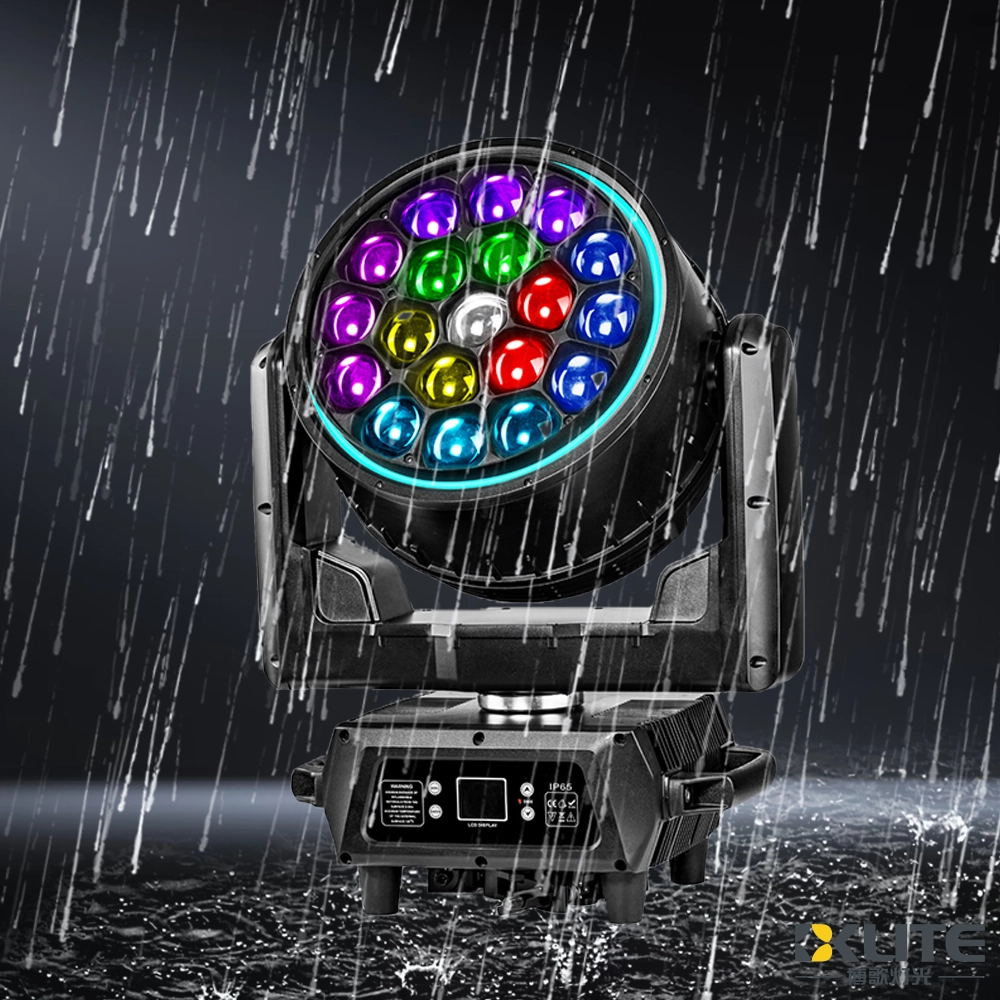
IP65 Waterproof Bee Eye Zoom 19x40W RGBW 4IN1 LED Beam Wash Moving Head Light with LED Ring
BKlite waterproof bee eye moving head light—your reliable choice from top waterproof moving head light manufacturers and suppliers. Ideal for outdoor stage, live event, music festival, this energy-saving fixture ensures powerful, precise illumination for any venue. It delivers powerful, reliable lighting performance in any weather.
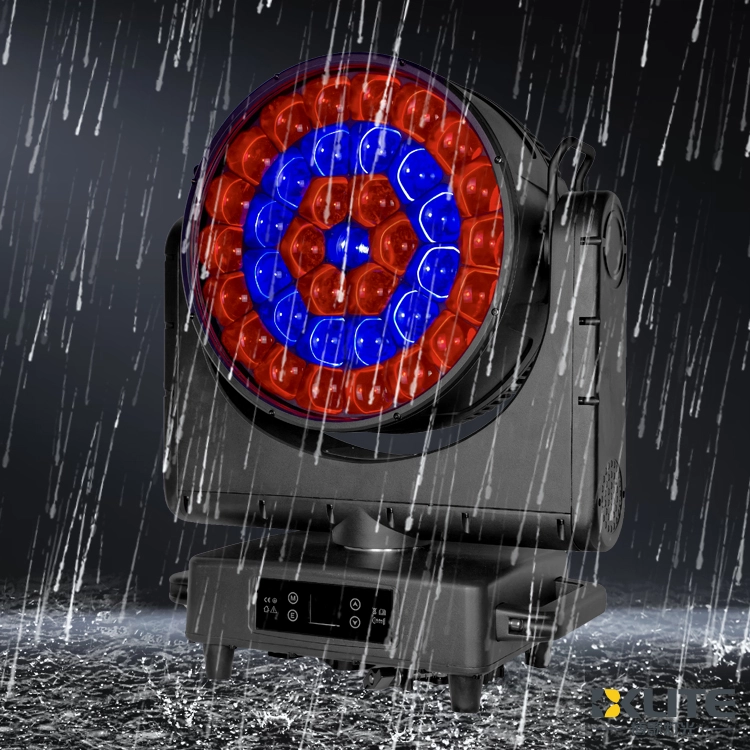
IP65 Waterproof ZOOM Bee Eye 37x40W RGBW 4in1 LED Moving Head Light
As a leading stage lighting equipment supplier with more than 15 years of industry know-how, BKlite brings you the IP65 ZOOM Bee Eye 37*40W RGBW 4in1 LED Moving Head Light (K25 Bee Eye) delivers vibrant, weatherproof lighting with powerful zoom and smooth movement. Ideal for dynamic stage effects, the K25 moving head light ensures stunning RGBW color mixing and reliable outdoor performance.
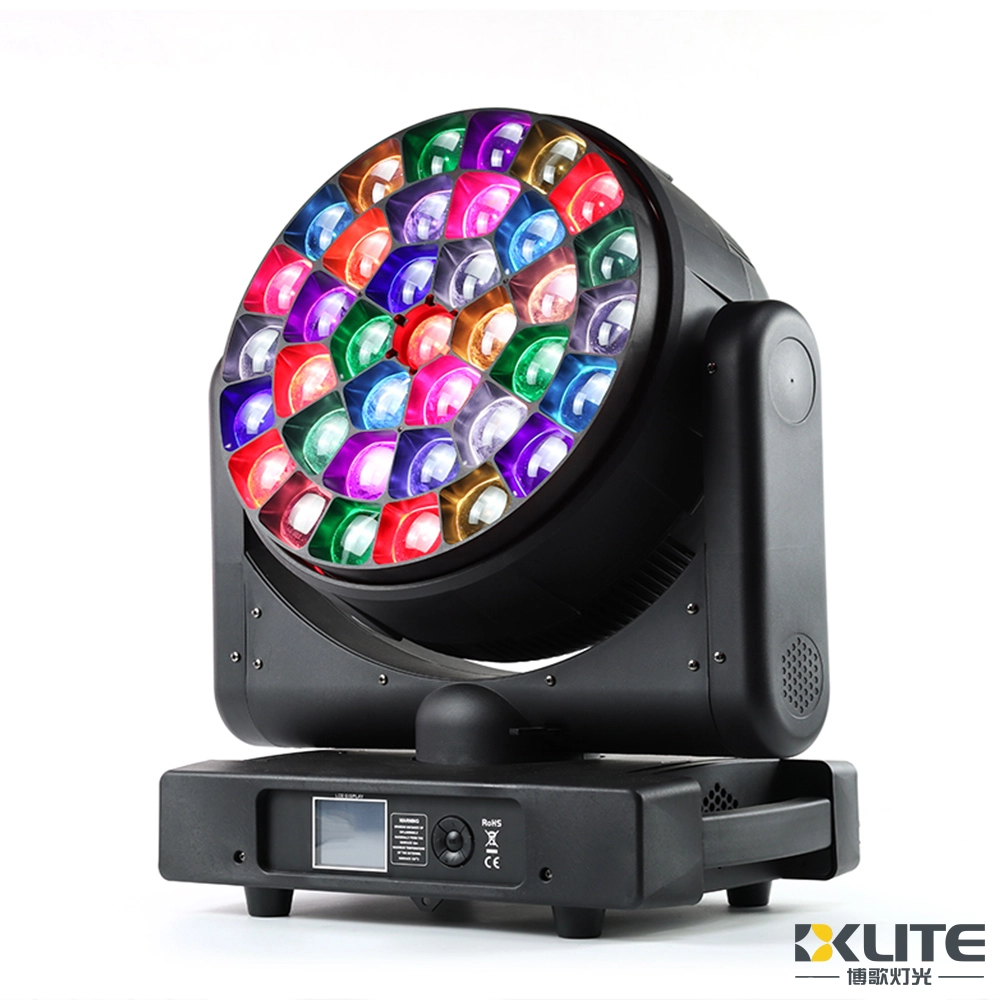
Bee Eye Zoom 37x40W RGBW 4in1 LED Beam Wash Moving Head Light
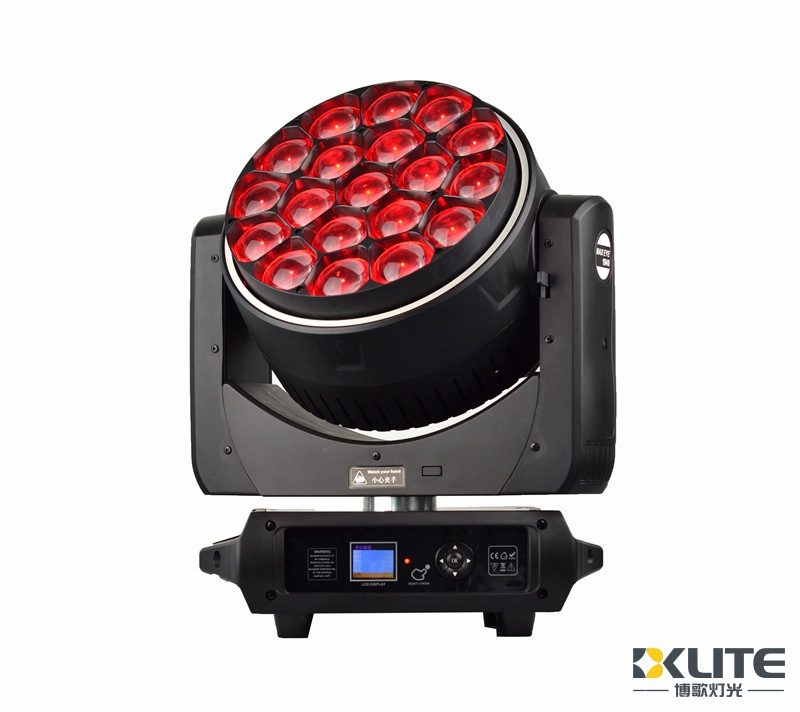
IP20 Bee Eye Zoom 19x40W RGBW 4IN1 LED Beam Wash Moving Head Light with LED Ring
As one of the leading stage lighting equipment suppliers with 15+ years of experience, BKlite launched a new Bee Eye K15 19x40 LED wash light BK-BY1940Z. .
Designed with a simple and sleek appearance, the WASH moving head light is compact, lightweight, and highly portable.
With multiple color effect macros and dynamic effect macros.
Our wash light can be used for versatile lighting options with amazing effect.
It is very good for your lighting projects.
Powerful and shoots very far distances.


Copyright © 2025 BKLITE All Rights Reserved.