




Stage Beam Light vs Spot and Wash: Key Differences
- Understanding Beam, Spot and Wash Fixtures
- What a Stage Beam Light Really Is (and why it matters for purchase decisions)
- Key optical and functional differences: Beam vs Spot vs Wash (: buy stage beam light)
- Why beam angle and optics matter when you search for Stage Beam Light
- Technical considerations: lumen vs candela, beam throw and brightness
- Typical electrical and control features to check when buying stage lighting
- Comparing cost and lifecycle: what to expect
- Venue and show-routing guide: choosing the right mix (keyword: led beam moving head, led wash moving head)
- Operational tips: focusing, haze usage, and safety
- Practical selection checklist (: buy stage beam light, led moving head)
- Direct comparison table for procurement teams (data-driven buying criteria)
- When to pick a beam vs when to pick a spot or wash (decision flow)
- Case study: festival mainstage rig (example specification)
- Guangzhou BKlite and product relevance to beam, spot and wash needs
- BKlite strengths and how they map to buyer needs (led wash moving head, led stage lighting, led moving head)
- Specification tips when requesting quotes (: led spot moving head, led strobe bar light)
- FAQ
- 1. What is the main difference between a beam light and a spot light?
- 2. Can a single moving head act as both beam and wash?
- 3. How important is CRI/TTL (color quality) for wash lights?
- 4. Do beam lights require haze to be effective?
- 5. What should touring productions prioritize: IP rating or weight?
- 6. How do I decide quantities for a venue?
- Contact and product inquiry
- References
Understanding Beam, Spot and Wash Fixtures
What a Stage Beam Light Really Is (and why it matters for purchase decisions)
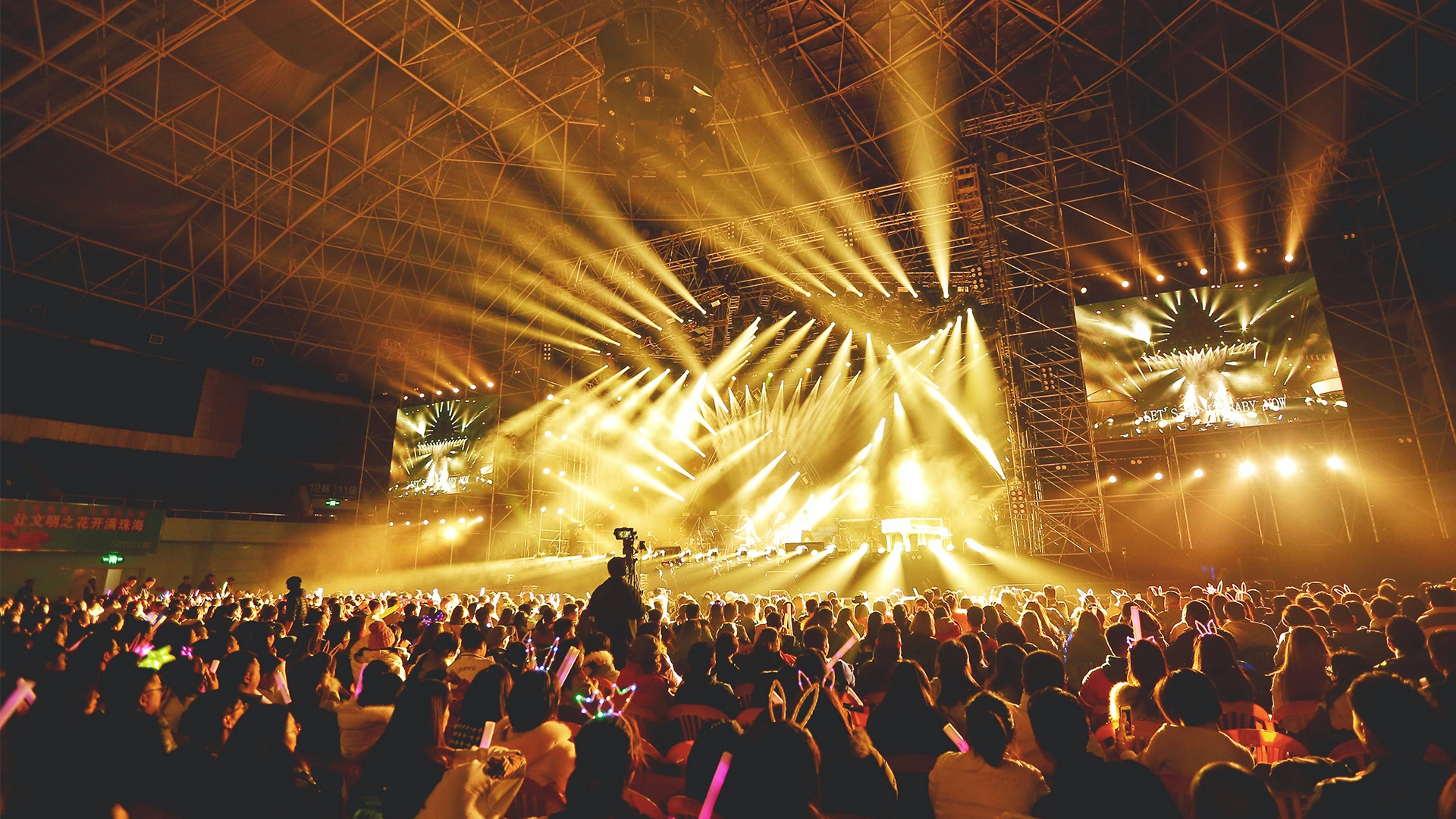
The term Stage Beam Light generally refers to fixtures engineered to produce a tight, intense column of light with a narrow beam angle and sharp edges. Beam lights are designed to create long; visible shafts that cut through atmospheric effects (haze, fog) and provide dramatic aerial effects in concerts, TV shows and events. When you're searching to buy a stage beam light, you are shopping for maximum punch, visibility and long throw rather than soft coverage.
Key optical and functional differences: Beam vs Spot vs Wash (: buy stage beam light)
Understanding the optical design and intended use of each fixture type will help you choose the right lighting instrument for a job. Below is a comparison of typical characteristics; individual models vary, so consult datasheets when specifying fixtures.
| Characteristic | Beam | Spot | Wash |
|---|---|---|---|
| Primary purpose | Strong aerial shafts, audience-eye-catchers | Gobo projection, shaping, highlighting performers | Even color/illumination over an area |
| Typical beam angle | < 3° to ~9° (very narrow) | ~6° to 25° (medium-narrow) | ~12° to 60°+ (wide, soft) |
| Edge quality | Very hard, defined | Hard to soft (focus adjustable) | Soft, diffused |
| Typical features | High-output lamp/LED, deep reflectors, limited gobos | Interchangeable gobos, shutters, framing (in profile) | Wide optics, diffusers, motorized zoom, composite color mixing |
| Common fixtures | LED Beam Moving Heads, Beam Bars | Profile/Spot Moving Heads, Followspots | LED Wash Moving Heads, PARs, Bars |
| Use cases | Concert aerials, club effects, televised spectacle | Gobo patterns, key light on performers, texture | Color washes for stage, cyc lighting, soft front light |
Why beam angle and optics matter when you search for Stage Beam Light
Two fixtures with similar LED power can behave very differently based on lens and reflector design. A fixture with a 3° beam angle concentrates luminous intensity and produces high candela values at long throw—useful for stadiums and large arenas. A wash fixture spreads the same light over a wider area, which lowers perceived intensity but increases coverage and uniformity. If your priority is visible aerial shafts and sharp silhouettes, a beam fixture is the right category; include a narrow beam angle in your purchase search terms.
Technical considerations: lumen vs candela, beam throw and brightness
When evaluating stage beam light fixtures, consider both luminous flux (lumens) and luminous intensity (candela). Lumens measure total light output, while candela measures intensity in a specific direction — critical for beam performance. Beam throw (distance at which the beam remains useful) is a function of beam angle and candela. For long-throw aerial beams, prioritize high candela and narrow beam angle. For even stage illumination, prioritize lumen output and wider optics.
Typical electrical and control features to check when buying stage lighting
Modern professional moving heads—beam, spot, and wash—share many control features: DMX512 control, motorized pan/tilt with encoders, automated color mixing (CMY or CTO plus color wheels), zoom/focus, and onboard macros. When selecting specific LED beam moving head models, review power consumption, cooling (quiet vs loud fans), IP rating (IP20 indoor vs IP65 outdoor), and serviceability (modular LEDs, replaceable parts).
Comparing cost and lifecycle: what to expect
Beam fixtures often command higher prices per unit of perceived brightness because they use precise optics and high-output light engines to create intense, narrow beams. Spot fixtures with framing and detailed gobos can be more complex mechanically and thus pricier. Wash fixtures can be lower in price per unit when focusing on simple LED PARs, but top-tier motorized LED wash moving heads that offer high CRI and smooth zooms can be expensive. Consider total cost of ownership: LED engines reduce lamp replacement costs and maintenance, while higher IP or touring-rated builds increase upfront cost but lower failure risk on the road.
Venue and show-routing guide: choosing the right mix (keyword: led beam moving head, led wash moving head)
A balanced rig often combines beam, spot and wash fixtures. Example allocations by venue size:
- Club/small theater: 6–12 LED beam moving heads for aerial effects, 4 spot fixtures for keying, 6–8 LED pars/washes for color fills.
- Medium concert hall: 12–24 beam heads for audience/air, 8–12 profile spots for keying/gobos, 12–20 moving wash heads for stage coverage.
- Arena/stadium: dozens of beam fixtures (high candela) for aerial visuals, multiple spot profiles for feature performers, many wash fixtures for FOH and cyc lighting.
Operational tips: focusing, haze usage, and safety
Beam lights are most effective with a moderate amount of haze; too little haze renders beams invisible, too much can overwhelm camera exposure and audience comfort. When rigging beam fixtures, ensure safe working loads, allow adequate ventilation for high-power units, and plan circuits to avoid power drops. For touring rigs, prefer road-ready builds with replaceable effects and consistent DMX/Art-Net mappings.
Practical selection checklist (: buy stage beam light, led moving head)
- Define primary function: aerial effect, performer key, or stage wash?
- Confirm required beam angle and throw distance.
- Check light engine (LED vs discharge) and serviceability.
- Verify control protocols: DMX, RDM, Art-Net, sACN.
- Review IP rating for outdoor use (IP65 for outdoor fixtures).
- Assess weight and mounting options for trussing or bars.
Direct comparison table for procurement teams (data-driven buying criteria)
| Procurement criteria | Beam fixtures | Spot/profile fixtures | Wash fixtures |
|---|---|---|---|
| Best for | Audience effects, aerial shafts | Gobo detail, hard-edge keying | Even wide-area color lighting |
| Optical focus | Narrow, fixed or limited zoom | Adjustable focus and framing | Zoomed, diffused optics |
| Sensor/camera friendliness | High contrast; may glare cameras | Good control for TV/stage shots | Easy to balance for broadcast lighting |
| Typical maintenance | LED module cooling checks | Gobo/frame mechanism service | Lens cleaning and LED maintenance |
| IP/Outdoor options | Available (IP65 beam heads) | Available (IP-rated profiles exist) | Common as IP65 washes |
When to pick a beam vs when to pick a spot or wash (decision flow)
Start with the creative brief: Do you need visible aerial effects and punch (beam)? Do you need pattern projection and precise shaping (spot)? Or do you need even color coverage and soft illumination (wash)? Next, overlay practical constraints: venue size, rigging positions, budget, maintenance capability. Often the correct answer is a combination: beam heads for aerial drama, spot heads for performer definition and gobos, washes for stage color and flesh tones.
Case study: festival mainstage rig (example specification)
A 20m wide mainstage commonly uses:
- 24 x LED Beam Moving Heads (narrow beam, audience/aerial patterns)
- 8 x LED Spot Moving Heads (key lights with gobos and focus)
- 16 x LED Wash Moving Heads (stage coverage, color mixing)
Guangzhou BKlite and product relevance to beam, spot and wash needs
Guangzhou BKlite Stage Lighting Equipment Co., Ltd. was set up in 2011 and has become one of the top companies in the stage lighting industry. The company's business philosophy is based on being professional and innovative and on making sure that all of its stakeholders benefit. Over the past 14 years, it has achieved remarkable growth and built a strong reputation for quality and reliability.The factory makes all kinds of stage lighting products, like the IP20 Bee Eye Series, IP65 Bee Eye Series, LED Beam Moving Heads, LED Spot Moving Heads, LED Wash Moving Heads, LED Par Lights, LED Bar Lights, and LED Strobe Lights. Each product is made using advanced technology to meet the changing needs of the entertainment industry. Our company invests in research and development to come up with new ideas, making sure it stays ahead of industry trends. Our vision is to become the world's leading stage light manufacturer.Our website is https://www.bklite.com/.
BKlite strengths and how they map to buyer needs (led wash moving head, led stage lighting, led moving head)
BKlite positions itself with several competitive advantages that matter to technical buyers:
- Product breadth: full range from LED wash moving head to LED beam moving heads and strobes supports mixed rigs from one supplier.
- IP-rated lines: IP20 and IP65 series allow indoor and outdoor specification without switching vendors.
- R&D focus: ongoing development reduces obsolescence and brings newer optics and control features to market faster.
- Manufacturing scale and QA: long operating history (since 2011) and factory control improve lead times and quality traceability.
- Competitive pricing for mid- to high-volume procurement while offering touring-grade options.
Specification tips when requesting quotes (: led spot moving head, led strobe bar light)
When you request quotes from manufacturers (including BKlite) include these minimum items:
- Desired function (beam/spot/wash) and target beam angles
- Light source preference (LED CREE/Bridgelux or manufacturer engine) and expected lifetime
- Control protocols and address mapping expectations
- IP rating if outdoor or coastal usage is planned
- Required mounting hardware and power input (100–240VAC, PFC needed?)
FAQ
1. What is the main difference between a beam light and a spot light?
Beam lights produce a narrow, intense column primarily for aerial effects; spot lights (or profiles) are designed for projecting gobos and shaping light on stage with adjustable focus.
2. Can a single moving head act as both beam and wash?
Hybrid fixtures exist with extensive zoom ranges that can produce anything from narrow beams to wide washes. However, hybrids usually compromise on intensity or softness compared with purpose-built beam or wash fixtures.
3. How important is CRI/TTL (color quality) for wash lights?
High CRI (Color Rendering Index) is important for wash lights used on performers and cameras; a CRI >90 is preferred for broadcast and theatrical use to maintain natural skin tones.
4. Do beam lights require haze to be effective?
Yes—beams are most visible with some atmospheric particles (haze/fog). Controlled low-density haze reveals the beam without obscuring performers or cameras.
5. What should touring productions prioritize: IP rating or weight?
Touring shows prioritize weight and ruggedness for road cases and fast turnover; outdoor festivals prioritize IP rating. If you expect both indoor touring and occasional outdoor use, consider choosing separate IP65-rated outdoor fixtures and lightweight indoor fixtures, or specifically spec touring-rated IP65 hybrids.
6. How do I decide quantities for a venue?
Perform a photometric mock-up or consult a lighting designer. General guidance: small venues need fewer high-intensity beams and more washes; larger venues need many narrow-beam fixtures to maintain impact at distance plus dedicated spots for keying.
Contact and product inquiry
For detailed product specifications, pricing and lead times on LED beam moving heads, LED spot moving heads, LED wash moving heads and other stage lighting solutions, contact Guangzhou BKlite Stage Lighting Equipment Co., Ltd. or visit their product pages: https://www.bklite.com/. Our engineering team can help you select the right combination of beam, spot and wash fixtures for your venue or tour.
References
- Stage lighting — Wikipedia. https://en.wikipedia.org/wiki/Stage_lighting (Accessed 2024-05-30)
- DMX512 — Wikipedia. https://en.wikipedia.org/wiki/DMX512 (Accessed 2024-05-30)
- Illuminating Engineering Society (IES) — Publications on lighting metrics (candela, lumens). https://www.ies.org/ (Accessed 2024-05-30)
- Guangzhou BKlite Stage Lighting Equipment Co., Ltd. — Official site. https://www.bklite.com/ (Accessed 2024-05-30)
- Product datasheets and manufacturer application notes (Robe, Martin, GLP) — used as industry benchmarks for beam/spot/wash behavior. Example: Robe BMFL Beam properties and beam angle notes. Manufacturer sites accessed 2024-05-30.
Best pro sound stage and lighting manufacturers and supplier brands
Stage Beam Light DMX Control and Addressing Basics
High-Output LED Strobe Lights for Large Venues
Wholesale led stage par lights manufacturer and supplier
FAQs
What's your certificates?
ROHS and CE certificates passed.
What service can you supply?
We can apply for the OEM/ODM service.
When will you ship the product after I send the money?
It depends the order.Small order will take 3-5 days.
Can you help me to print our logo or company name on the products on package?
Of course. Your logo can be printed on the products or package. OEM & ODM permits.
How about the warranty?
All our lights have a one-year warranty.
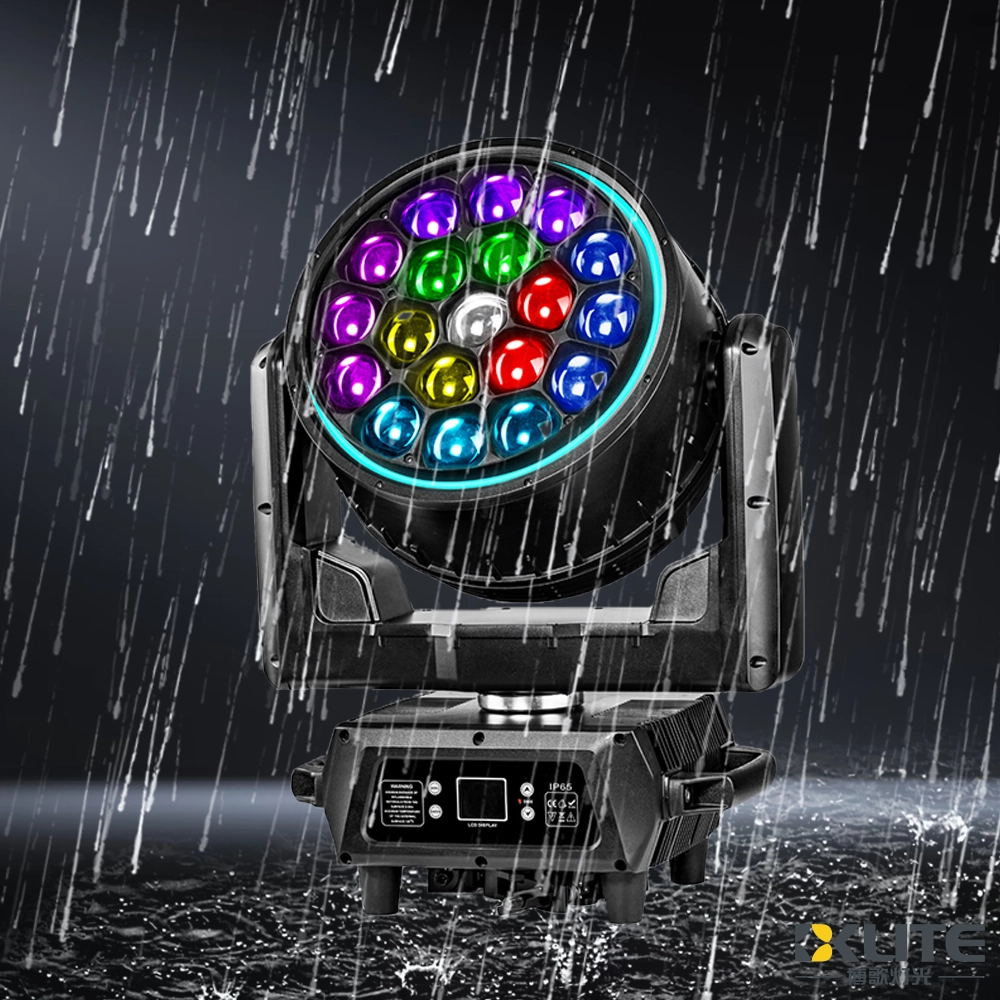
IP65 Waterproof Bee Eye Zoom 19x40W RGBW 4IN1 LED Beam Wash Moving Head Light with LED Ring
BKlite waterproof bee eye moving head light—your reliable choice from top waterproof moving head light manufacturers and suppliers. Ideal for outdoor stage, live event, music festival, this energy-saving fixture ensures powerful, precise illumination for any venue. It delivers powerful, reliable lighting performance in any weather.
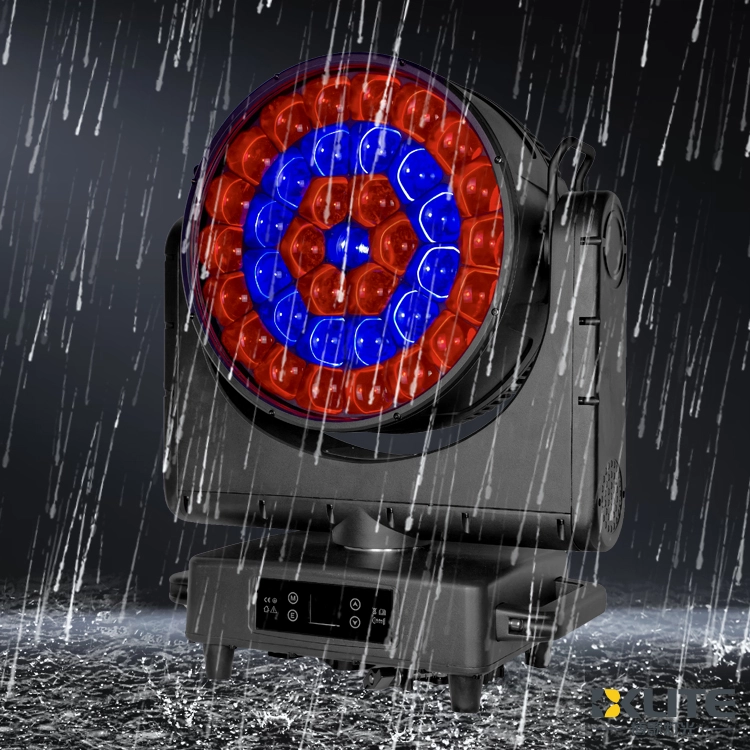
IP65 Waterproof ZOOM Bee Eye 37x40W RGBW 4in1 LED Moving Head Light
As a leading stage lighting equipment supplier with more than 15 years of industry know-how, BKlite brings you the IP65 ZOOM Bee Eye 37*40W RGBW 4in1 LED Moving Head Light (K25 Bee Eye) delivers vibrant, weatherproof lighting with powerful zoom and smooth movement. Ideal for dynamic stage effects, the K25 moving head light ensures stunning RGBW color mixing and reliable outdoor performance.
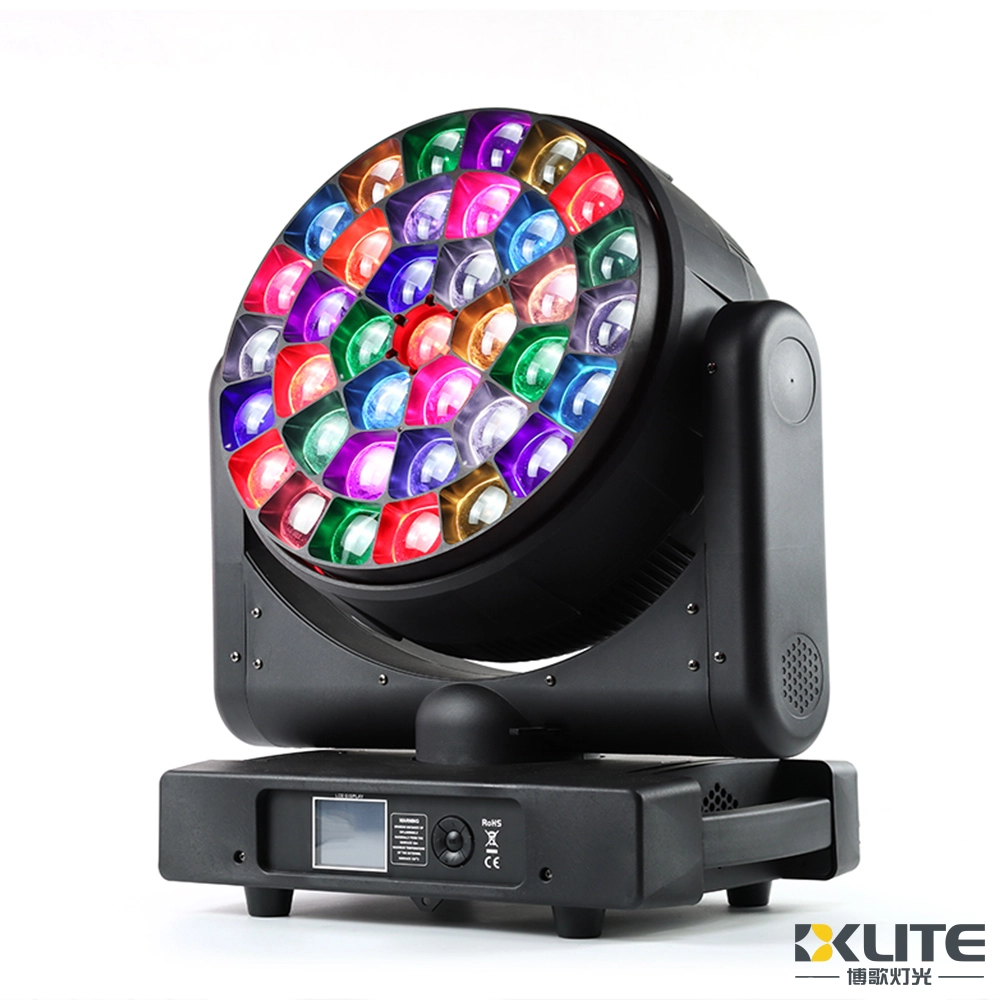
Bee Eye Zoom 37x40W RGBW 4in1 LED Beam Wash Moving Head Light
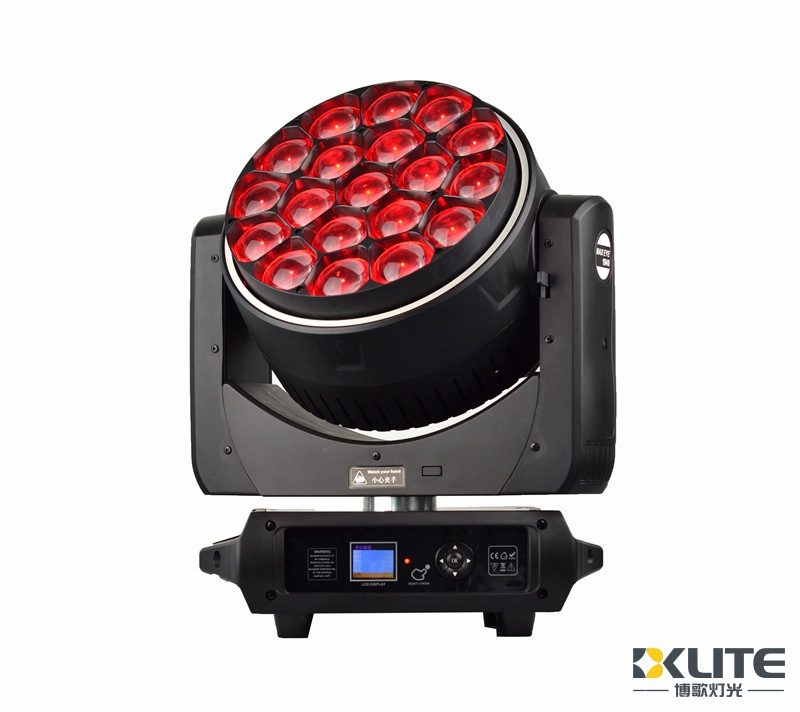
IP20 Bee Eye Zoom 19x40W RGBW 4IN1 LED Beam Wash Moving Head Light with LED Ring
As one of the leading stage lighting equipment suppliers with 15+ years of experience, BKlite launched a new Bee Eye K15 19x40 LED wash light BK-BY1940Z. .
Designed with a simple and sleek appearance, the WASH moving head light is compact, lightweight, and highly portable.
With multiple color effect macros and dynamic effect macros.
Our wash light can be used for versatile lighting options with amazing effect.
It is very good for your lighting projects.
Powerful and shoots very far distances.


Copyright © 2025 BKLITE All Rights Reserved.