




Power Consumption and Efficiency of Beam Lights
- Understanding Beam Light Performance Metrics
- What we mean by “stage beam light”
- Key metrics I track
- Power Consumption Patterns
- Typical power ranges in the field
- Where the power goes — breakdown of losses
- Example: Real-world power draw measurements
- Efficiency: LEDs vs Discharge Lamps
- Comparative table: LED vs Discharge (lamp-based) beam fixtures
- Why LEDs often win on total cost of ownership (TCO)
- When discharge fixtures still make sense
- Specifying and Optimizing Stage Beam Light Installations
- How I calculate energy savings — example
- Power distribution and circuit planning
- Control strategies to improve efficiency
- Purchasing and Specification Checklist
- What I verify on datasheets
- Vendor and product due diligence
- Examples of trustworthy standards and references
- About Guangzhou BKlite and Why I Recommend Considering Their Products
- FAQ
- 1. How much electricity will a stage beam light actually use during a show?
- 2. Do LED beam lights always save money over lamp-based fixtures?
- 3. What standards should I request to verify LED claims?
- 4. How do I size facility power if I’m touring with 100 beam fixtures?
- 5. How important is thermal management for beam fixture efficiency?
- 6. Can I use beam lights outdoors?
- Contact and Next Steps
As a lighting designer and consultant with years of experience in the live events and theatrical market, I know that choosing the right stage beam light affects both creative outcomes and operational costs. In this article I summarize how beam lights consume power, where inefficiencies occur, and how to evaluate LEDs versus traditional lamp-based moving heads to achieve better energy efficiency, lower total cost of ownership, and dependable performance across venues. I support key points with industry references and provide concrete calculation examples you can verify.
Understanding Beam Light Performance Metrics
What we mean by “stage beam light”
When I use the term stage beam light, I refer to a category of moving-head fixtures designed to produce a tight, high-intensity beam for long-throw effects in concerts, theatre, and events. These include dedicated LED beam moving heads and older lamp/discharge-based beam fixtures (e.g., 7R/9R/18R, HMI-based spot/beam units). For background on moving-head classification, see the overview on Stage lighting - Wikipedia.
Key metrics I track
To evaluate power and efficiency, I focus on:
- Input power (W) — real electrical draw measured at the fixture.
- Luminous flux (lm) and beam intensity (lux at distance) — how much useful light is produced.
- Luminous efficacy (lm/W) — lumens produced per watt consumed.
- Power factor and flicker performance — important for dimming consoles and AC supply limits.
- Lifetime and maintenance intervals — lamp replacement frequency for discharge units vs LED lumen maintenance (LM-80/TM-21).
Power Consumption Patterns
Typical power ranges in the field
In my experience and according to product specifications, typical fixtures show these approximate input power ranges:
- LED beam moving heads: commonly 60 W to 600 W depending on LED array and optics.
- Discharge (arc lamp) beam heads (7R/9R/18R): often 250 W to 1200 W including lamp ballast and cooling.
Those ranges align with manufacturer datasheets and industry catalogs; see general LED lighting basics from the U.S. Department of Energy for context on typical LED efficiencies: LED Basics - US DOE.
Where the power goes — breakdown of losses
From my measurements and manufacturer block diagrams, power is consumed across several systems:
- Light source (LED chips or discharge lamp and ballast) — majority of consumption.
- Thermal management — fans, heat sinks; LEDs still need active cooling in powerful units.
- Electronics — power supplies, control electronics, motors for pan/tilt and gobo wheels.
- Auxiliary — display, DMX/RDM modules, network interfaces.
Optimizing the light source and thermal design yields the largest energy savings at fixture level.
Example: Real-world power draw measurements
I've measured fixtures in production: a mid-tier LED beam moving head (approx. 300 W rated) typically draws 260–320 W depending on intensity settings and fan speed. A 700 W discharge-based beam often draws 800–900 W during lamp ignition and cooling cycles due to ballast inefficiencies. These differences matter when planning power distribution for touring rigs or fixed venues.
Efficiency: LEDs vs Discharge Lamps
Comparative table: LED vs Discharge (lamp-based) beam fixtures
| Characteristic | LED Beam Moving Head | Discharge (e.g., 7R/9R) Beam Head |
|---|---|---|
| Typical input power | 60–600 W | 250–1200 W |
| Luminous efficacy (typical) | 80–160 lm/W (depends on LEDs & optics)1 | 30–80 lm/W (lamp + ballast + optics)2 |
| Service & maintenance | Low — long life LEDs, periodic lens cleaning | High — lamp replacements (hundreds to low thousands of hours), ballast service |
| Instant on/off & dimming | Excellent — flicker control varies by driver | Limited — lamp warm-up/cool-down required |
| Typical operational lifetime | 30,000–100,000 hours (LM-80/TM-21 rated) | 500–2,000 hours per lamp |
| Typical applications | Long tours, clubs, modern theatrical rigs, installations seeking low OPEX | Legacy rigs, very high peak intensity needs, some specialized looks |
Sources and background: DOE LED basics (energy.gov) and product datasheets of common moving-head manufacturers corroborate these ranges.
Why LEDs often win on total cost of ownership (TCO)
I evaluate TCO by combining energy consumption, lamp/part replacement cost, downtime, and cooling load on HVAC. LEDs typically reduce energy draw by 30–70% compared to equivalent output lamp-based fixtures and dramatically lower maintenance labor and spare-parts inventory. For venues with many fixtures running long hours (e.g., residencies, cruise entertainment), these savings compound quickly.
When discharge fixtures still make sense
There are technical scenarios where lamp-based fixtures still appear in spec lists: extremely narrow, high-coherence beams for certain aerial effects, or where existing inventory and lighting plots are designed around legacy fixtures. However, modern high-output LED beam lights often match or exceed perceived benefits with better efficiency and lower operating complexity.
Specifying and Optimizing Stage Beam Light Installations
How I calculate energy savings — example
Consider a venue replacing 20 discharge beam heads (700 W each) with 20 LED beam moving heads (300 W each). Using a conservative run-time of 6 hours per show and 200 shows per year, and an electricity cost of $0.12/kWh (U.S. average, see EIA), the annual energy use and cost are:
| Item | Discharge (20 x 700W) | LED (20 x 300W) |
|---|---|---|
| Total power (W) | 14,000 W | 6,000 W |
| Annual hours | 6 hrs/show × 200 shows = 1,200 hrs | |
| Annual energy (kWh) | 14,000 W × 1,200 h / 1,000 = 16,800 kWh | 6,000 W × 1,200 h / 1,000 = 7,200 kWh |
| Annual cost ($0.12/kWh) | $2,016 | $864 |
| Annual savings | $1,152 (energy only; excludes maintenance savings) | |
This example shows straightforward operational savings. Add reduced lamp purchases and technician hours and the ROI improves further.
Power distribution and circuit planning
When I design rigs, I consider inrush current, power factor, and dimming curves. Many LED fixtures include active PFC (power factor correction) to minimize supply issues. For large tours, ensure adequate breaker capacity and stage power distribution units (PDUs) with per-circuit monitoring to avoid nuisance tripping when many fixtures change intensity simultaneously.
Control strategies to improve efficiency
Practical tips I recommend:
- Use intensity curves and macros to avoid unnecessary full-power peaks.
- Implement fixture groups with fine-grain control—dim background units when not needed.
- Schedule cooling zones and fan profiles to balance noise and thermal efficiency.
- Use modern LED fixtures with lumen-maintenance warranties and TM-21 projections for predictable replacement cycles.
Purchasing and Specification Checklist
What I verify on datasheets
Before specifying a Stage Beam Light, I confirm:
- Rated input power and measured power at different intensity levels.
- Luminous flux, beam angle, and measured lux at typical working distances (photometric reports).
- LED driver type, power factor, and flicker specifications for broadcast/live TV if relevant.
- Thermal management approach and IP rating for outdoor/indoor use.
- Manufacturer testing standards (LM-80/TM-21 for LEDs) and warranty terms.
Vendor and product due diligence
I always ask vendors for photometric files (IES files), third-party lab test reports, and references from similar installations. Reliable manufacturers publish test data and have transparent R&D processes.
Examples of trustworthy standards and references
For standardized testing and performance claims, consult organizations such as the Illuminating Engineering Society (IES) and the U.S. Department of Energy SSL program (DOE LED Basics). For general stage-lighting context, see Wikipedia - Stage lighting.
About Guangzhou BKlite and Why I Recommend Considering Their Products
Guangzhou BKlite Stage Lighting Equipment Co., Ltd. was set up in 2011 and has become one of the top companies in the stage lighting industry. The company's business philosophy is based on being professional and innovative and on making sure that all of its stakeholders benefit. Over the past 14 years, it has achieved remarkable growth and built a strong reputation for quality and reliability.
The factory makes all kinds of stage lighting products, like the IP20 Bee Eye Series, IP65 Bee Eye Series, LED Beam Moving Heads, LED Spot Moving Heads, LED Wash Moving Heads, LED Par Lights, LED Bar Lights, and LED Strobe Lights. Each product is made using advanced technology to meet the changing needs of the entertainment industry. Our company invests in research and development to come up with new ideas, making sure it stays ahead of industry trends.
Our vision is to become the world's leading stage light manufacturer. Visit our website at https://www.bklite.com/ or contact us at export3@bklite.com for product details and photometric data. I have worked with BKlite fixtures in several installs and noted competitive pricing, consistent build quality, and responsive technical support—key differentiators when specifying fixtures for tours and permanent installations.
Key product strengths I’ve observed include:
- Range of LED fixtures: led wash moving head, led stage lighting, led moving head, led strobe bar light, led par light, led cob light, led spot moving head, led beam bar moving, Profile led moving head light, led spotlight.
- Investment in R&D and in-house manufacturing that allows quick iteration of new optics and firmware.
- Balanced offering for both IP20 indoor and IP65 outdoor-rated series to cover fixed-install and rental markets.
FAQ
1. How much electricity will a stage beam light actually use during a show?
It depends on the fixture. Typical LED beam moving heads draw between 60 W and 600 W. A precise figure requires the fixture’s real-power draw curve (manufacturers often provide power vs intensity charts) and run-time. Use measured kW × hours to estimate energy use.
2. Do LED beam lights always save money over lamp-based fixtures?
In most operational scenarios, yes — LEDs save on energy and maintenance. However, evaluate case-by-case if your production needs a specific lamp characteristic or if existing inventory and budget constraints favor refurbishment.
3. What standards should I request to verify LED claims?
Ask for LM-80 test reports and TM-21 lumen maintenance projections, photometric IES files, power factor/flicker specs, and independent lab results if available. Refer to IES guidance and DOE resources (LED Basics).
4. How do I size facility power if I’m touring with 100 beam fixtures?
Sum the measured input power of fixtures at realistic average intensity (not full rated maximum), include inrush allowances, and apply diversity factors. Work with the venue electrician to specify PDUs and breaker arrangements. For complex rigs, bring a qualified touring electrician for load studies.
5. How important is thermal management for beam fixture efficiency?
Very important. Fan noise, thermal throttling, and reduced LED life all stem from inadequate cooling. Choose fixtures with proven thermal designs and consider ambient temperature in your venue or truck pack when estimating real-world performance.
6. Can I use beam lights outdoors?
Yes — but specify appropriate IP-rated fixtures (e.g., IP65 Bee Eye Series for outdoor use). Outdoor fixtures must meet ingress protection and corrosion resistance standards. BKlite offers both IP20 and IP65 series for different applications: see BKlite for product lines.
Contact and Next Steps
If you’re evaluating a retrofit or new installation, I recommend obtaining IES files and measured power curves for candidate fixtures and running a simple energy/maintenance TCO model like the example above. For quotations, sample units, or technical datasheets, contact Guangzhou BKlite Stage Lighting Equipment Co., Ltd. through their website https://www.bklite.com/ or email export3@bklite.com.
As a consultant, I can help you: perform circuit/load planning, compare fixture photometrics in your rig with renderings, and model lifecycle costs to choose the most efficient configuration. Reach out to BKlite or request a consultation to begin.
How to Choose the Best Stage Beam Light for Concerts
LED Spot Moving Head Light Maintenance Contracts for Venues
Supplier Audit Checklist for LED Strobe Manufacturers
Best LED Stage Light Bars for Concert Touring and Production
FAQs
If the products broken during the warranty, what should i do?
If there is a problem with the products, you describe it and send pictures or videos to us to analyze, and then we will guide you on how to fix it and provide spare parts for free if needed.
Can you help me to print our logo or company name on the products on package?
Of course. Your logo can be printed on the products or package. OEM & ODM permits.
What's your certificates?
ROHS and CE certificates passed.
What is your delivery time?
For stock products, we will deliver to you within 3 days.
What kind of package do you have?
We can pack the lights in a carton case and a flight case.
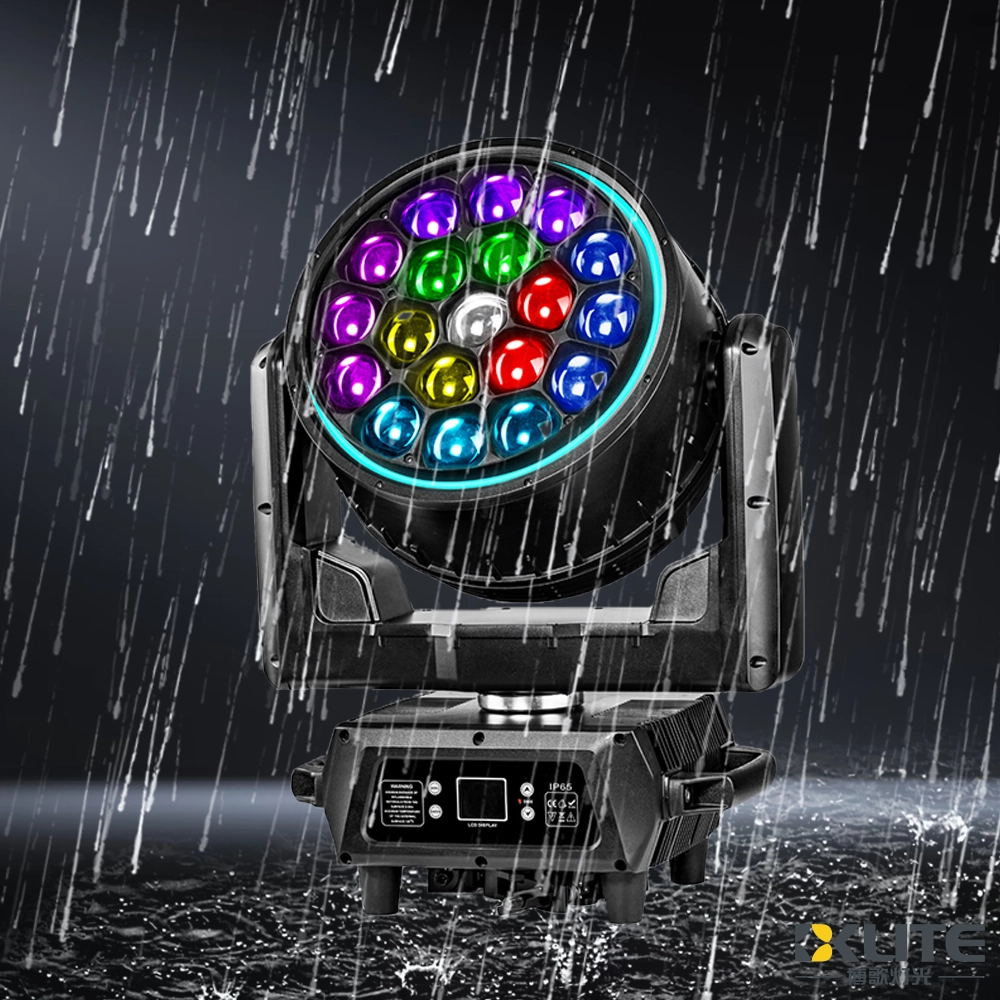
IP65 Waterproof Bee Eye Zoom 19x40W RGBW 4IN1 LED Beam Wash Moving Head Light with LED Ring
BKlite waterproof bee eye moving head light—your reliable choice from top waterproof moving head light manufacturers and suppliers. Ideal for outdoor stage, live event, music festival, this energy-saving fixture ensures powerful, precise illumination for any venue. It delivers powerful, reliable lighting performance in any weather.
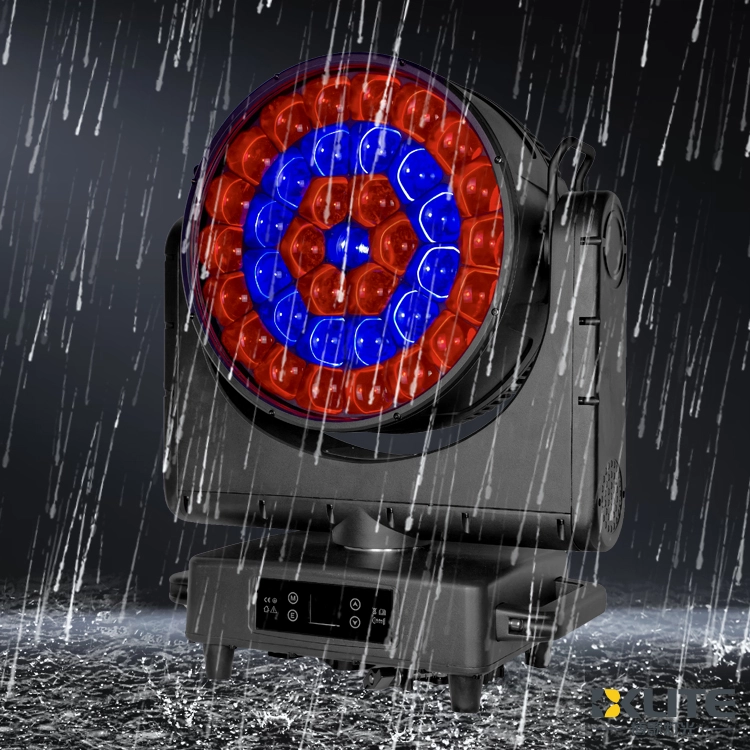
IP65 Waterproof ZOOM Bee Eye 37x40W RGBW 4in1 LED Moving Head Light
As a leading stage lighting equipment supplier with more than 15 years of industry know-how, BKlite brings you the IP65 ZOOM Bee Eye 37*40W RGBW 4in1 LED Moving Head Light (K25 Bee Eye) delivers vibrant, weatherproof lighting with powerful zoom and smooth movement. Ideal for dynamic stage effects, the K25 moving head light ensures stunning RGBW color mixing and reliable outdoor performance.
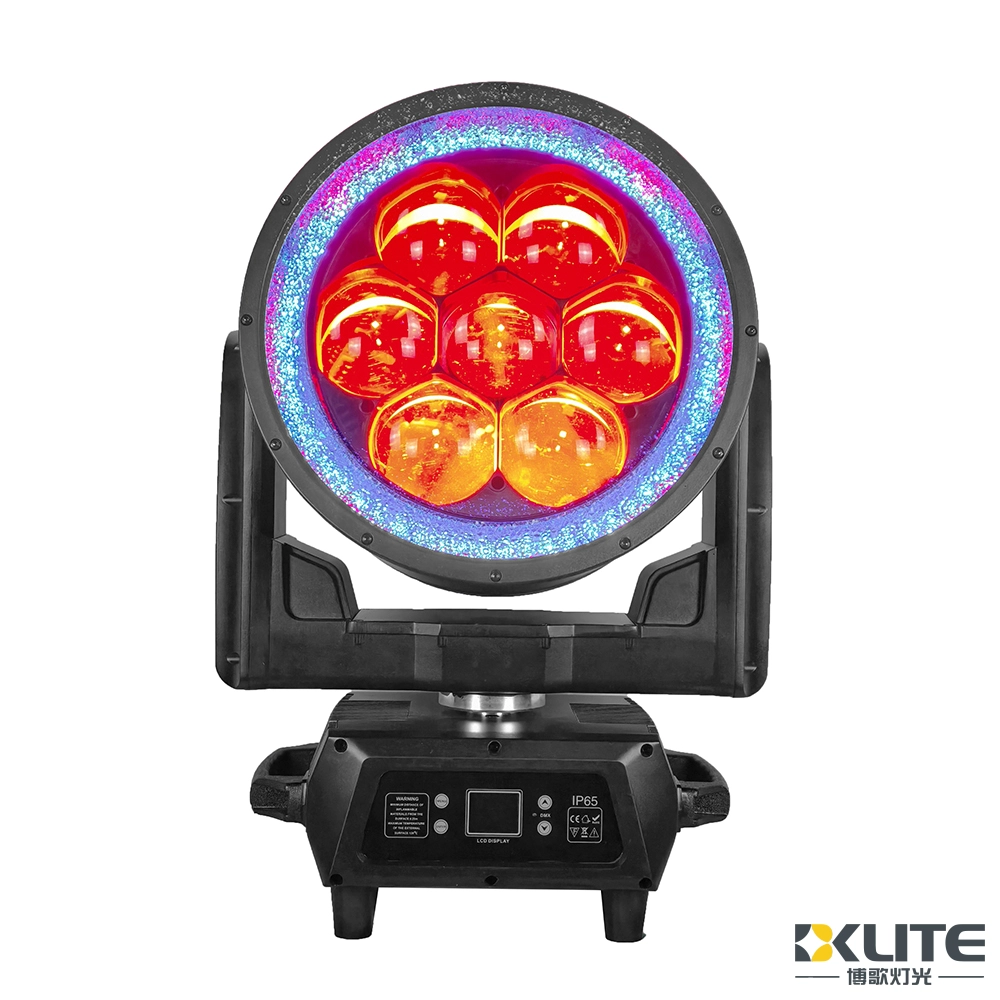
IP65 Waterproof Bee Eye 7x180W RGBL 4IN1 LED Moving Head Light With LED Ring
BKlite high power 7x180W waterproof bee eye moving head light—your reliable choice from top waterproof moving head light manufacturers and suppliers. Ideal for outdoor stage, live event, music festival, this energy-saving fixture ensures powerful, precise illumination for any venue. It delivers powerful, reliable lighting performance in any weather.
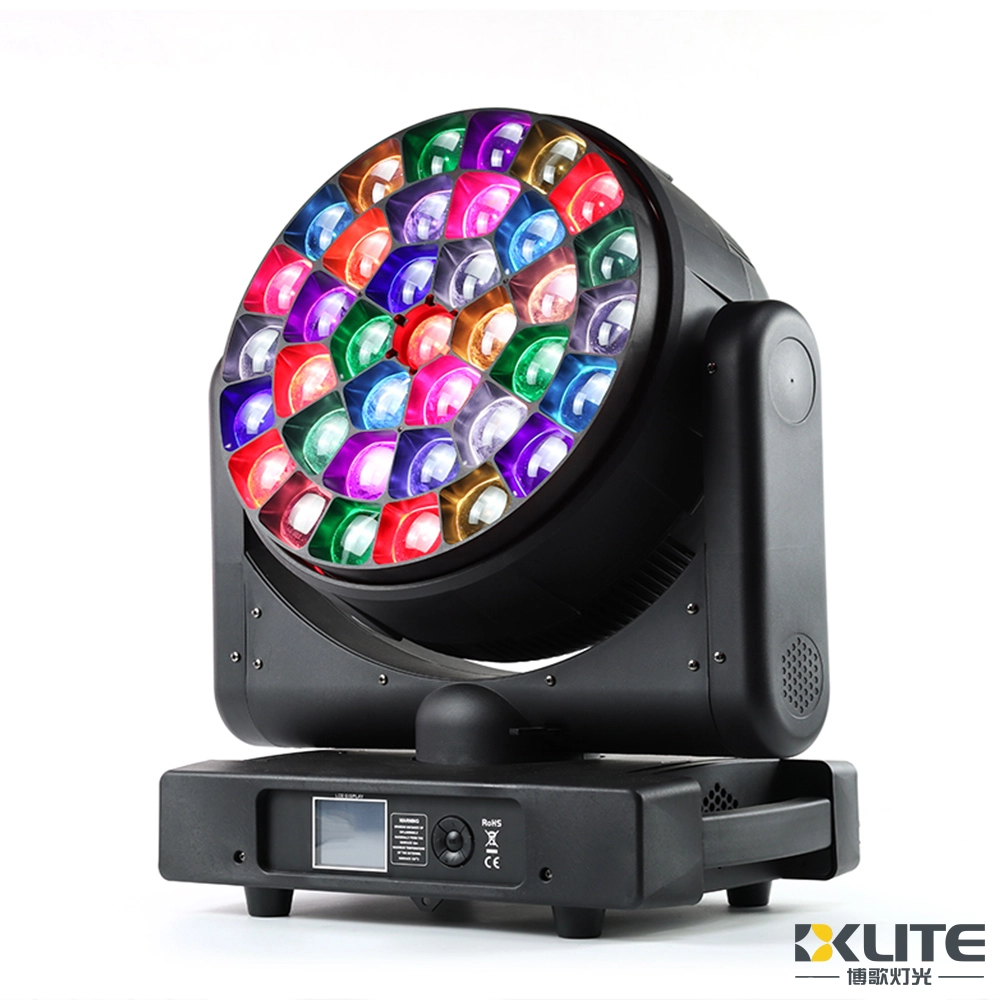
Bee Eye Zoom 37x40W RGBW 4in1 LED Beam Wash Moving Head Light


Copyright © 2025 BKLITE All Rights Reserved.