




Using Strobes and Wash Lights Together Safely
- Principles for Combining LED Wash Light and Strobe Fixtures
- Understanding Audience Health Risks with LED Wash Light and Strobes
- Strobe Frequency, Duty Cycle and LED Wash Light: Technical Limits and Safe Ranges
- LED Wash Light Control: DMX/RDM, Protocols, and Synchronization
- Programming Strategies for Safety with LED Wash Light and Strobes
- Power, Thermal Management and Fixture Lifespan for LED Wash Light Systems
- Rigging and Placement Considerations for LED Wash Light and Strobe Combinations
- Testing, Pre-show Checks, and Real-World Safety Workflows with LED Wash Light
- Regulatory and Venue Policy Considerations for LED Wash Light and Strobe Use
- Comparing Strobe Strategies for Shows Using LED Wash Light
- BKlite: Products and Advantages for Safe LED Wash Light and Strobe Integration
- Maintenance and Lifecycle: Ensuring Long-Term Safety of LED Wash Light and Strobe Combinations
- Operational Checklist Before Using LED Wash Light with Strobes
- Frequently Asked Questions (FAQ) about LED Wash Light and Strobe Safety
- 1. Can LED wash light strobes trigger epilepsy?
- 2. What is a safe strobe frequency when using an LED wash light?
- 3. How should I program LED wash light intensity during strobe cues?
- 4. Are there standards that dictate strobe/light safety for stages?
- 5. How can BKlite products help implement safer strobe + LED wash light designs?
- 6. What pre-show warnings or policies should I have for strobe-containing events?
- 7. How often should I maintain fixtures used for strobing and washes?
- Contact, Consultation and Product Inquiry
- References and Further Reading
Principles for Combining LED Wash Light and Strobe Fixtures
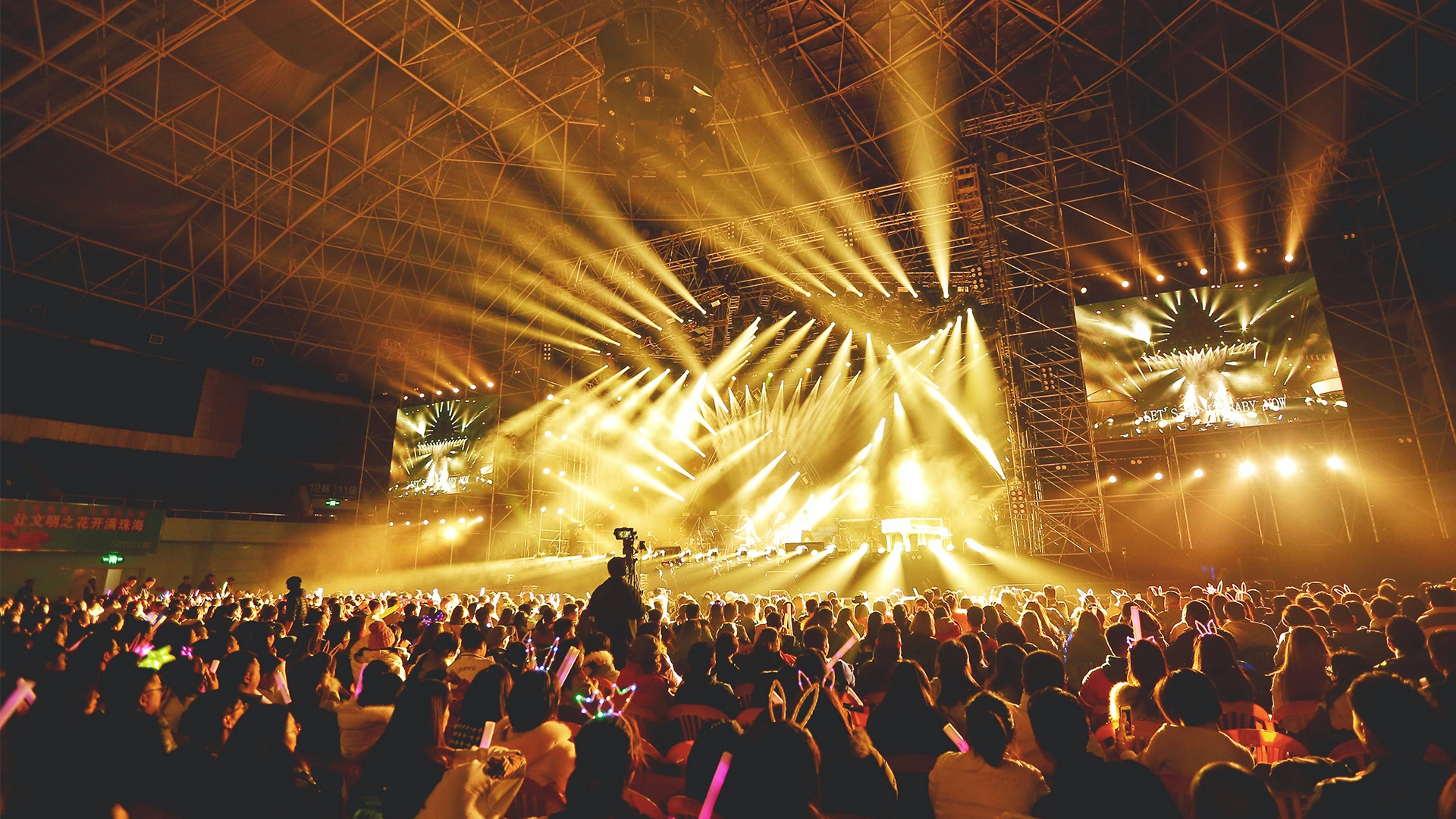
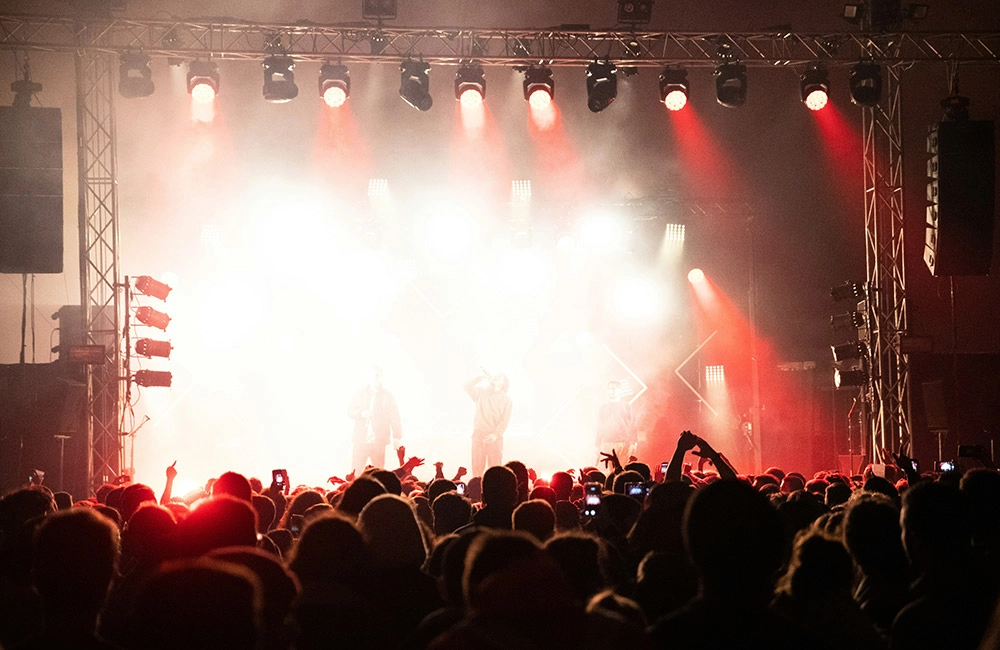
Combining strobe effects with LED wash light fixtures can create impactful visual moments for concerts, theatre, corporate events, and houses of worship. However, doing so safely requires understanding the interaction between strobe frequency, intensity, color, and audience vulnerability; ensuring power and thermal systems are adequate; and programming effects to minimize health risks and maintain show reliability. This article provides evidence-based guidelines, practical workflows, and product considerations for lighting designers, technical directors, and venue operators.
Understanding Audience Health Risks with LED Wash Light and Strobes
Photosensitive epilepsy and other light-triggered conditions are the primary health concerns when using strobes. Research and clinical guidance (e.g., ILAE, Epilepsy Foundation) identify the 5–30 Hz range as the most provocative for seizures, especially at high contrast and luminance. When using an LED wash light as part of a strobe sequence, the wash's broad field of illumination can increase retinal stimulation compared with a narrow beam; this elevates risk if the strobe is in the provocative frequency range or very bright.
Strobe Frequency, Duty Cycle and LED Wash Light: Technical Limits and Safe Ranges
Designers must consider three primary strobe parameters: frequency (Hz), duty cycle (pulse width), and peak luminance. Lower frequencies in the 5–30 Hz band are of greatest concern; short bursts at slightly higher rates may still be risky depending on pulse width and brightness. IEEE 1789 provides guidance on flicker and modulation—while not a legal requirement, it is a useful technical reference to limit potentially harmful modulation.
| Parameter | Typical Risk Level | Practical Recommendation |
|---|---|---|
| Frequency (Hz) | 5–30 Hz most provocative | Avoid sustained strobes in 5–30 Hz; use < 5 Hz or > 30 Hz when possible |
| Duty Cycle (pulse width) | Long pulses increase risk | Keep pulse width short; reduce duty cycle & peak luminance |
| Peak Luminance | High peaks elevate risk | Lower intensity on wash fixtures when strobing |
| Field Size (wash vs spot) | Larger fields increase retinal stimulation | Use narrower beams or reduce brightness for wash strobes |
LED Wash Light Control: DMX/RDM, Protocols, and Synchronization
Reliable control is essential. Use DMX512, Art-Net or sACN networks with disciplined addressing and preferably timecode or VLAN-based segregation for critical strobe channels. Synchronization between dedicated LED strobe fixtures and LED wash light frames can be achieved using a master clock or a lighting console's timed effects. Avoid uncontrolled asynchronous strobes which can produce erratic perceived flicker and increase health risk.
Programming Strategies for Safety with LED Wash Light and Strobes
Programmers can reduce risk and produce pleasing visual results by:
- Limiting strobe bursts: keep strobes as short bursts rather than continuous sequences.
- Layering intensity: when a strobe is used, dim the wash output to reduce overall retinal stimulation.
- Using color thoughtfully: highly saturated red/blue transitions at strobe rates can be more provocative; consider softer whites or warmer colors during strobe-heavy cues.
- Creating preview cues and rehearsing with talent and safety staff to check for adverse reactions.
Power, Thermal Management and Fixture Lifespan for LED Wash Light Systems
LED wash light fixtures have high instantaneous current draws when drivers push peak output for strobe effects. Important actions:
- Verify circuit capacity and inrush current handling. Group fixtures on appropriately sized breakers and consider inrush limiting or staggered power-up.
- Monitor thermal load. Repeated high-intensity strobing raises fixture temperature; ensure fans/heat sinks are functioning and maintain adequate ventilation.
- Follow manufacturer duty cycle guidance—some LED drivers implement thermal derating or built-in strobe modes to protect electronics.
Rigging and Placement Considerations for LED Wash Light and Strobe Combinations
Physical placement affects both visual quality and safety. Key points:
- Distance to audience: increasing distance reduces retinal illuminance and risk.
- Angle and aim: avoid directing strobes at sightlines where the audience is likely to stare for extended periods; use downlighting or backlighting for strobes when appropriate.
- Mounting security: verify clamps, safety cables and IP ratings (for outdoor or wet venues). IP20 and IP65 washers differ in suitability for outdoor strobe/wash setups.
Testing, Pre-show Checks, and Real-World Safety Workflows with LED Wash Light
Adopt a standardized pre-show checklist that includes:
- Verification of network addressing and patching for strobe/wash channels.
- Running a low-risk test sequence to confirm timing and intensity before audience entry.
- Confirming emergency stop procedures on the console and with stage management.
- Documenting strobe-heavy cues in the show script and advising front-of-house staff to warn patrons where required.
Regulatory and Venue Policy Considerations for LED Wash Light and Strobe Use
Many venues have policies on strobes. International standards and guidelines to consult include:
- International League Against Epilepsy (ILAE) and Epilepsy Foundation guidance on photosensitivity.
- IEEE 1789-2015 guidance on flicker and modulation for LED lighting.
- Local venue safety policies and event insurance requirements—coordinate with medical staff and venue management.
Comparing Strobe Strategies for Shows Using LED Wash Light
Use the table below to help select a strobe strategy matched to the event type and audience sensitivity.
| Event Type | Recommended Strobe Approach | LED Wash Light Role |
|---|---|---|
| Concert (general audience) | High-impact, short bursts; use >30 Hz where possible; include disclaimers | Supportive color washes, reduced intensity during strobe bursts |
| Family/All-ages | Minimal strobe use; prefer non-strobing movement effects | Dynamic but steady washes; motion effects instead of flash |
| Theatre/Opera | Contextual strobe use for effects only; rehearsed with performers | Subtle washes to maintain mood; avoid abrupt full-stage strobing |
| Club/Rave | Common to use frequent strobes; implement warnings and medical support | Colorful, intense washes but consider alternating intensity |
BKlite: Products and Advantages for Safe LED Wash Light and Strobe Integration
Guangzhou BKlite Stage Lighting Equipment Co., Ltd. (est. 2011) has grown into a reputable manufacturer focused on innovation and reliability in stage lighting. For designers prioritizing safe, high-quality strobe/wash combinations, BKlite offers a broad portfolio including IP20 Bee Eye Series, IP65 Bee Eye Series, LED Beam Moving Heads, LED Spot Moving Heads, LED Wash Moving Heads, LED Par Lights, LED Bar Lights, and LED Strobe Lights.
Key advantages of BKlite for professional deployments:
- Comprehensive product range: suitable fixtures for venues of all sizes (from LED wash moving head and LED par light to specialized LED strobe bar light).
- Engineering and R&D investment: continuous improvements in driver stability, thermal management, and built-in safety modes that help manage duty cycle and prevent overheating during intense strobe use.
- Industry credibility: 14+ years of operation with established quality control and consistent delivery capabilities.
- Outdoor-ready options: IP65-rated units for reliable outdoor performance, reducing risk of failure when weather or environment is a factor.
| Product Category | Use Case | Why BKlite |
|---|---|---|
| LED Wash Moving Head | General stage washes, concert backdrops | High CRI options, efficient cooling, versatile color mixing |
| LED Strobe Lights / Strobe Bar | Short, high-impact bursts | Controlled duty cycles, engineered drivers, synchronized control modes |
| LED Par Light | Front/side washes, footlight tasks | Compact, cost-effective, consistent color output |
| LED Beam / Spot Moving Head | Accents, aerial effects | Sharp beam control, reliable pan/tilt mechanics |
For more information on BKlite and product specifications visit https://www.bklite.com/.
Maintenance and Lifecycle: Ensuring Long-Term Safety of LED Wash Light and Strobe Combinations
Regular inspection and preventive maintenance increase safety and performance reliability:
- Check LEDs, lenses, fans, and driver health regularly.
- Record strobe-heavy usage hours; adjust maintenance intervals for fixtures used intensively for effects.
- Keep firmware up to date; many modern fixtures receive improvements to dimming curves and thermal protection via firmware.
Operational Checklist Before Using LED Wash Light with Strobes
A concise pre-show checklist:
- Confirm DMX addressing and test synchronized strobe sequences off-stage.
- Verify load distribution and breaker capacity for peak currents.
- Run a medical-safety test (low-risk cue) with staff and document results.
- Ensure venue policies (warnings, signage, medical staff) are in place.
Frequently Asked Questions (FAQ) about LED Wash Light and Strobe Safety
Below are common questions lighting professionals and venue managers ask when integrating strobes with LED wash light systems.
1. Can LED wash light strobes trigger epilepsy?
Yes. Photosensitive epilepsy can be triggered by intense, repetitive flashes—particularly in the 5–30 Hz frequency range. Reducing frequency exposure in that band, lowering intensity, shortening pulse widths, and avoiding high-contrast transitions can reduce risk. (See references: ILAE, Epilepsy Foundation)
2. What is a safe strobe frequency when using an LED wash light?
There is no universally “safe” single frequency for every audience, but avoiding sustained strobes in the 5–30 Hz range is recommended. When effects are needed, prefer very short bursts, lower duty cycles, or frequencies above 30 Hz when possible.
3. How should I program LED wash light intensity during strobe cues?
Dim the wash fixture's base intensity during strobe bursts to reduce overall retinal stimulation. Layer strobe fixtures and wash fixtures so that one supplements the other instead of both hitting peak simultaneously.
4. Are there standards that dictate strobe/light safety for stages?
While there is no single mandatory global law, guidance documents such as IEEE 1789 (flicker), IEC safety standards (e.g., IEC 62471 for photobiological safety), and medical guidance from ILAE provide authoritative recommendations. Venues may also have local regulatory requirements.
5. How can BKlite products help implement safer strobe + LED wash light designs?
BKlite products are built with engineering focus on driver stability, thermal control, and synchronized control modes. Their product range (including LED wash moving head, LED strobe bar light, LED par light, and IP65 outdoor options) lets designers choose fixtures suited to each venue and effect, enabling safer intensity management and reliable operation.
6. What pre-show warnings or policies should I have for strobe-containing events?
Provide clear audience warnings on tickets, at the venue entrance, and via announcements. For shows with frequent or prolonged strobes, ensure onsite medical staff and a plan for assisting affected patrons.
7. How often should I maintain fixtures used for strobing and washes?
Maintenance frequency depends on intensity of use, but fixtures used heavily for strobe effects should have shortened service intervals for driver checks, fan and heat-sink cleaning, and firmware updates. Keep a running log of hours and any incidents.
Contact, Consultation and Product Inquiry
If you need help specifying fixtures, designing safe strobe/wash cues, or sourcing reliable equipment, contact Guangzhou BKlite Stage Lighting Equipment Co., Ltd. Visit https://www.bklite.com/ to view product details for led wash moving head, led stage lighting, led moving head, led strobe bar light, led par light, led cob light, led spot moving head, led beam bar moving, Profile led moving head light, and led spotlight. For spec sheets, safety features, and bulk procurement, reach out through their website contact form to schedule a technical consultation.
References and Further Reading
- International League Against Epilepsy (ILAE). “Photosensitivity and Epilepsy” — https://www.ilae.org/ (accessed 2025-11-01)
- Epilepsy Foundation. “Seizure Warning for Photosensitive Epilepsy” — https://www.epilepsy.com/ (accessed 2025-11-01)
- IEEE. IEEE Std 1789-2015 — “IEEE Recommended Practices for Modulating Current in High-Brightness LEDs for Mitigating Health Risks to Photobiological Safety” — https://standards.ieee.org/standard/1789-2015. (accessed 2025-11-01)
- IEC 62471:2006. “Photobiological safety of lamps and lamp systems” — https://www.iso.org/standard/39928. (accessed 2025-11-01)
- PLASA — Guidance on Lighting Safety and Event Best Practices — https://www.plasa.org/ (accessed 2025-11-01)
- Guangzhou BKlite Stage Lighting Equipment Co., Ltd. Company Profile and Products — https://www.bklite.com/ (accessed 2025-11-01)
Note: Always consult local medical guidance and venue-specific regulations when planning strobe effects.
Troubleshooting Common Issues with Bee Eye Moving Heads
Supplier Audit Checklist for Stage Profile Light Vendors
High-Output LED Strobe Lights for Large Venues
Best antique stage light manufacturers and supplier brands
FAQs
What service can you supply?
We can apply for the OEM/ODM service.
What's the shipping way, shipping time?
The ways of shipping—you can choose which is suitable for you. (1). By Sea, 30-60 days; apply for bulk quantity.
(2). By Air, 5-7 days; apply for bulk quantity.
(3). By Express, 3-5 days; apply for small quantity and urgent order.
What kind of package do you have?
We can pack the lights in a carton case and a flight case.
What is your delivery time?
For stock products, we will deliver to you within 3 days.
What's your certificates?
ROHS and CE certificates passed.
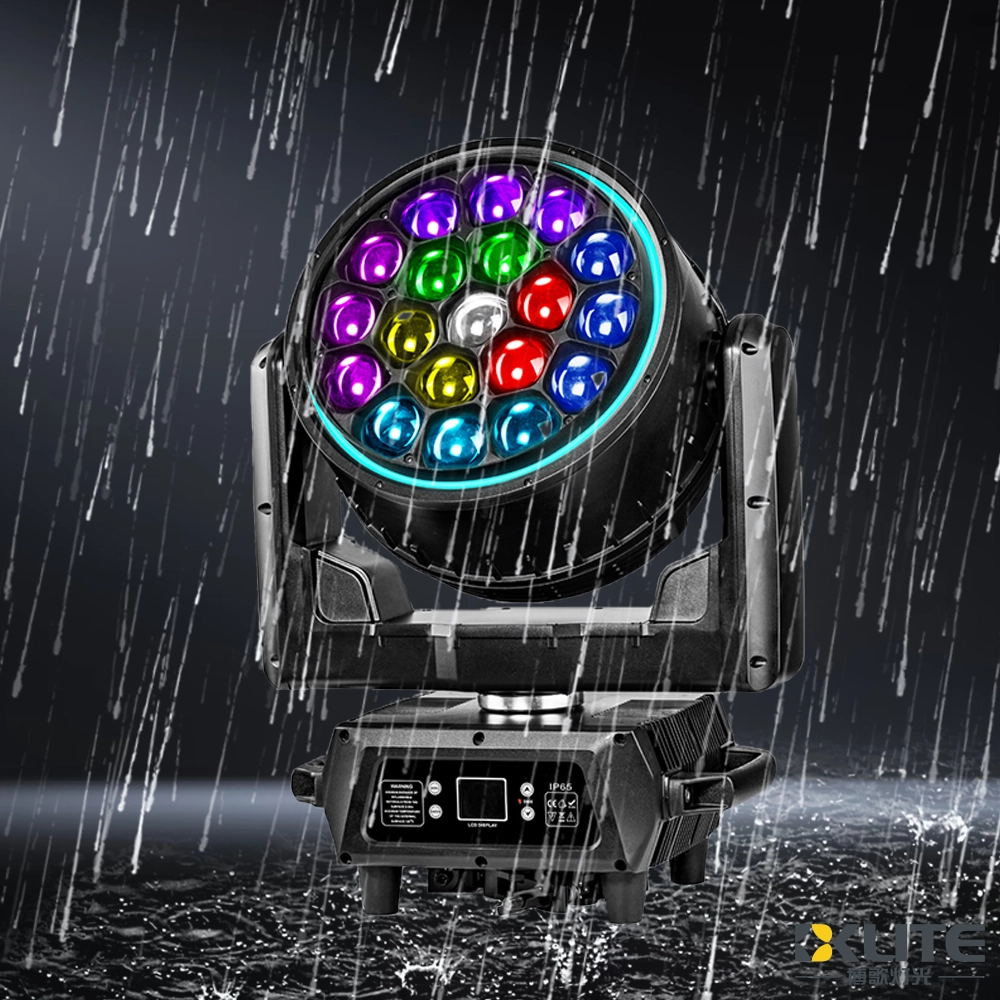
IP65 Waterproof Bee Eye Zoom 19x40W RGBW 4IN1 LED Beam Wash Moving Head Light with LED Ring
BKlite waterproof bee eye moving head light—your reliable choice from top waterproof moving head light manufacturers and suppliers. Ideal for outdoor stage, live event, music festival, this energy-saving fixture ensures powerful, precise illumination for any venue. It delivers powerful, reliable lighting performance in any weather.
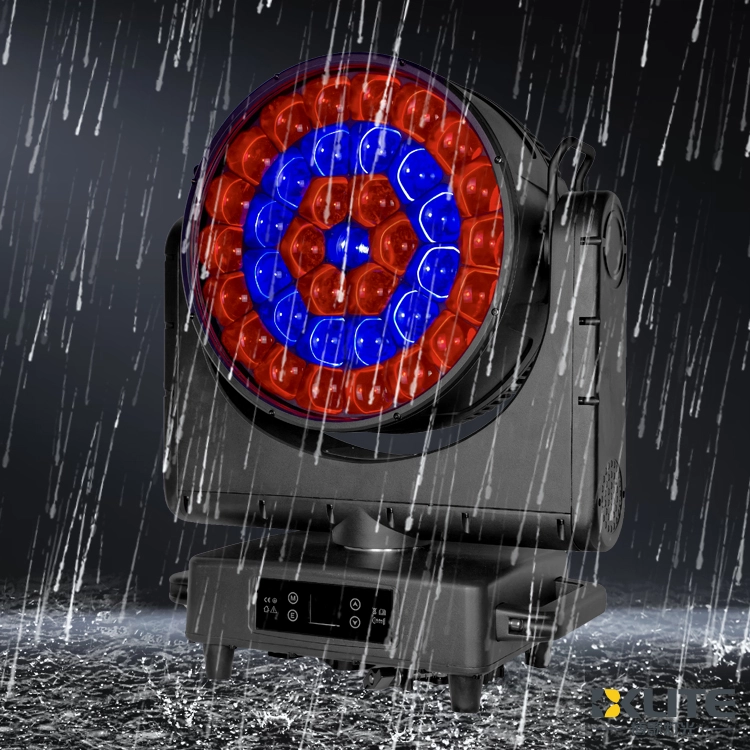
IP65 Waterproof ZOOM Bee Eye 37x40W RGBW 4in1 LED Moving Head Light
As a leading stage lighting equipment supplier with more than 15 years of industry know-how, BKlite brings you the IP65 ZOOM Bee Eye 37*40W RGBW 4in1 LED Moving Head Light (K25 Bee Eye) delivers vibrant, weatherproof lighting with powerful zoom and smooth movement. Ideal for dynamic stage effects, the K25 moving head light ensures stunning RGBW color mixing and reliable outdoor performance.
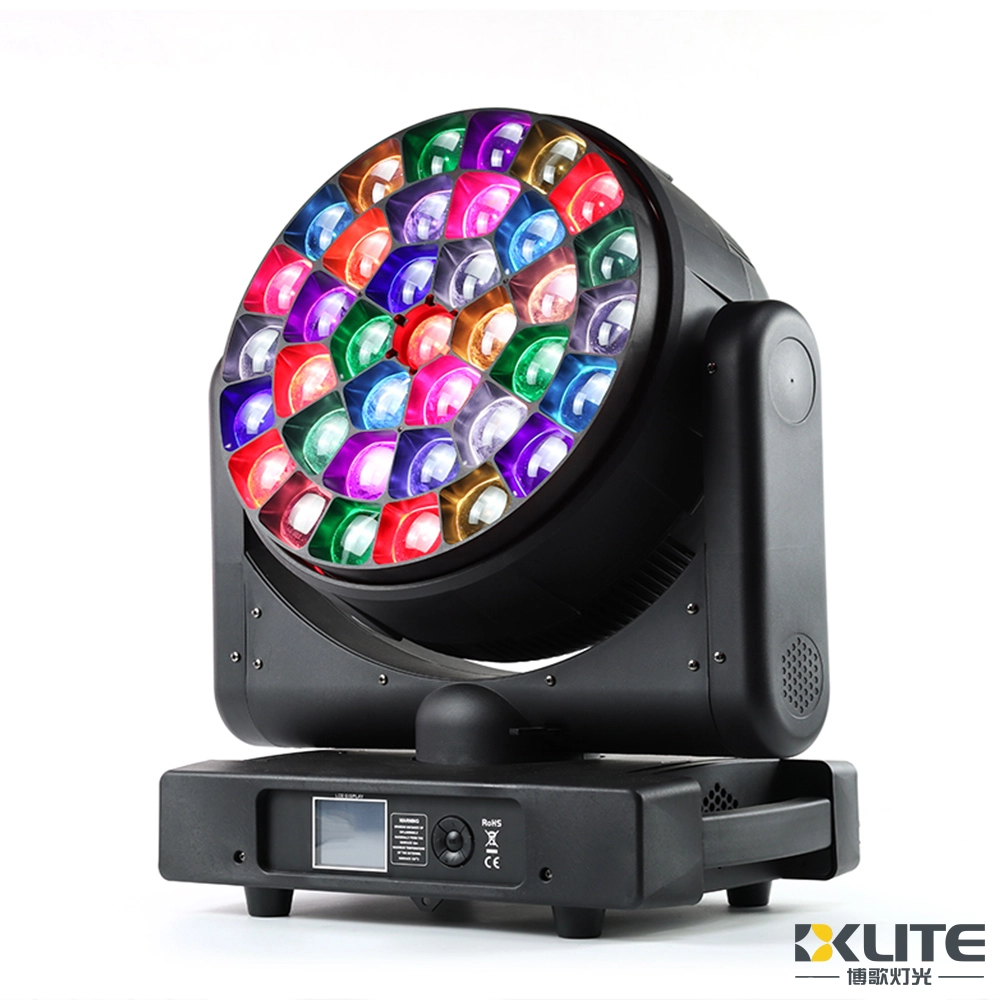
Bee Eye Zoom 37x40W RGBW 4in1 LED Beam Wash Moving Head Light
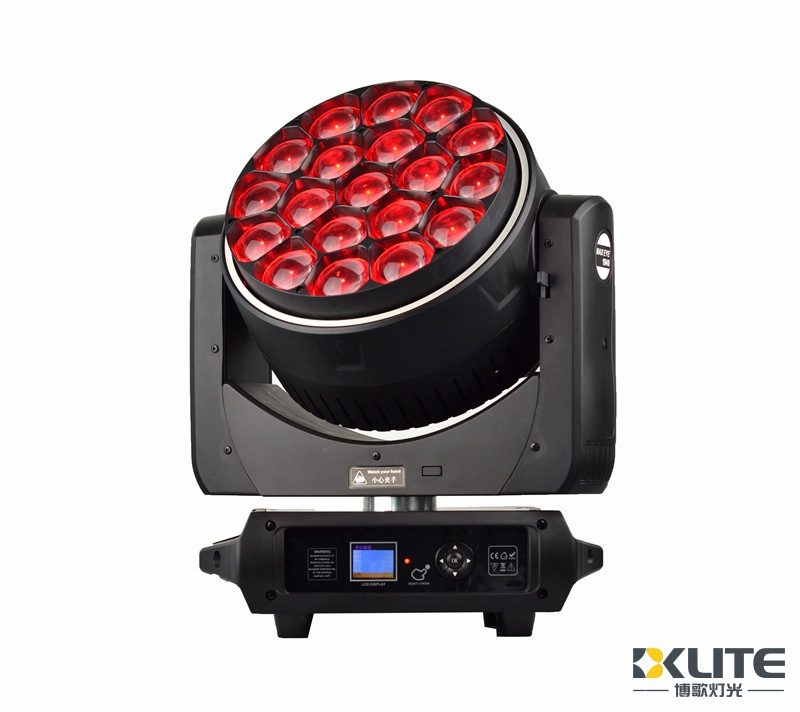
IP20 Bee Eye Zoom 19x40W RGBW 4IN1 LED Beam Wash Moving Head Light with LED Ring
As one of the leading stage lighting equipment suppliers with 15+ years of experience, BKlite launched a new Bee Eye K15 19x40 LED wash light BK-BY1940Z. .
Designed with a simple and sleek appearance, the WASH moving head light is compact, lightweight, and highly portable.
With multiple color effect macros and dynamic effect macros.
Our wash light can be used for versatile lighting options with amazing effect.
It is very good for your lighting projects.
Powerful and shoots very far distances.


Copyright © 2025 BKLITE All Rights Reserved.